
 EN
EN
 ar
ar bg
bg hr
hr cs
cs da
da nl
nl fi
fi fr
fr de
de el
el hi
hi it
it ko
ko no
no pl
pl pt
pt ro
ro ru
ru es
es sv
sv tl
tl iw
iw id
id lv
lv lt
lt sr
sr sk
sk sl
sl uk
uk vi
vi et
et hu
hu th
th tr
tr fa
fa ms
ms hy
hy ka
ka ur
ur bn
bn mn
mn ta
ta kk
kk uz
uz ku
ku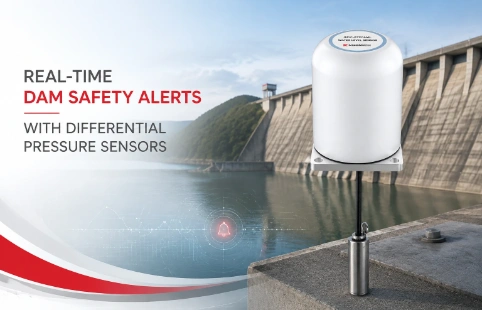
Real-Time Dam Safety Alerts with Differential Pressure Water Level Sensors
Key Takeaways An alert chain needs more than a sensor: define field in...

LVDT Displacement Sensors for Reliable Position Feedback
LVDT displacement sensors are the go-to choice when you need precise, repeatable position measurement in harsh environments. Kingmach designs these sensors for real-world monitoring tasks—whether it’s tracking structural movement on a bridge, measuring dam displacement, or checking tunnel convergence. Our sensors handle dirt, moisture, and temperature swings without losing accuracy, thanks to the non-contact inductive principle. No wiper contacts to wear out, no electronics in the sensor head—just a spool and core that keep working year after year. Projects across 40+ countries already rely on Kingmach LVDTs for geotechnical and industrial applications. If you need a standard sensor fast or a custom configuration for a tricky installation, we’ve got engineers who can sort it out without overcomplicating things.
Technical Detail
Kingmach LVDT displacement sensors use the classic AC-LVDT design for stable, low-drift measurements in demanding settings. The sensors typically offer linearity better than ±0.25% of full scale, with ranges from ±1 mm up to ±500 mm—enough span for most civil and mechanical jobs. Sensor bodies are machined from stainless steel, and many models carry IP68 ratings for submersion or long-term outdoor exposure. The spring-loaded pushrod versions simplify installation where you need a biased probe against a surface, while free-core types work well in tension or for long-stroke setups. Signal conditioning is flexible: we pair LVDTs with our own digital readouts, 4–20 mA transmitters, or leave the coil leads unterminated so your existing PLC or DAQ system can do the rest. Since Kingmach calibrates every sensor against NIST-traceable standards, you get a calibration sheet with each unit—no extra charge. For large-scale monitoring projects, we also handle custom cable lengths, mounting brackets, and even multi-point strings for borehole extensometers. Technical support doesn’t end at shipment; our team stays on the line for commissioning questions and field troubleshooting, which matters when a sensor is buried 50 meters underground.
News
Key Takeaways An alert chain needs more than a sensor: define field in...
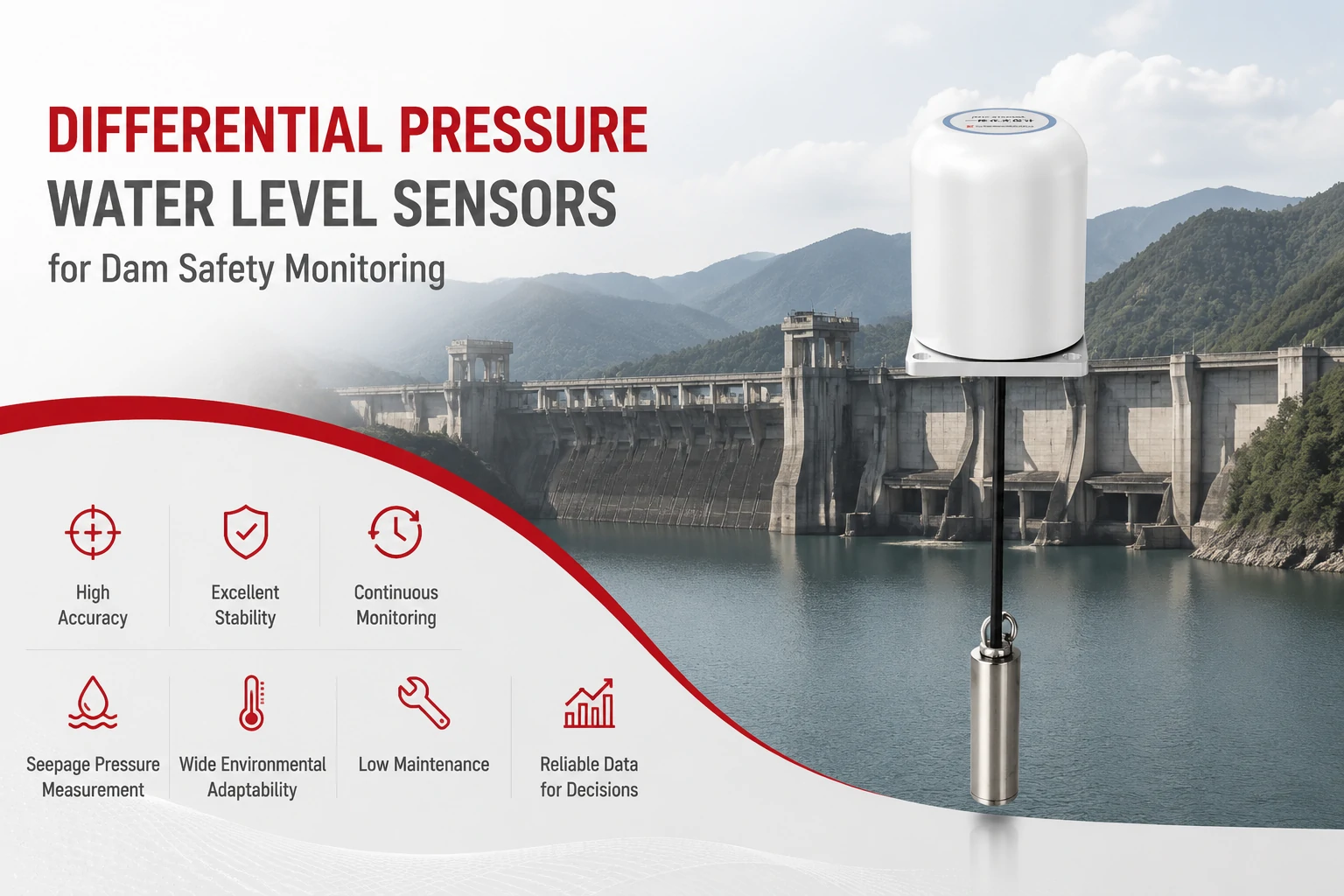
Key Takeaways The strongest fit is usually a confined, submerged, or s...
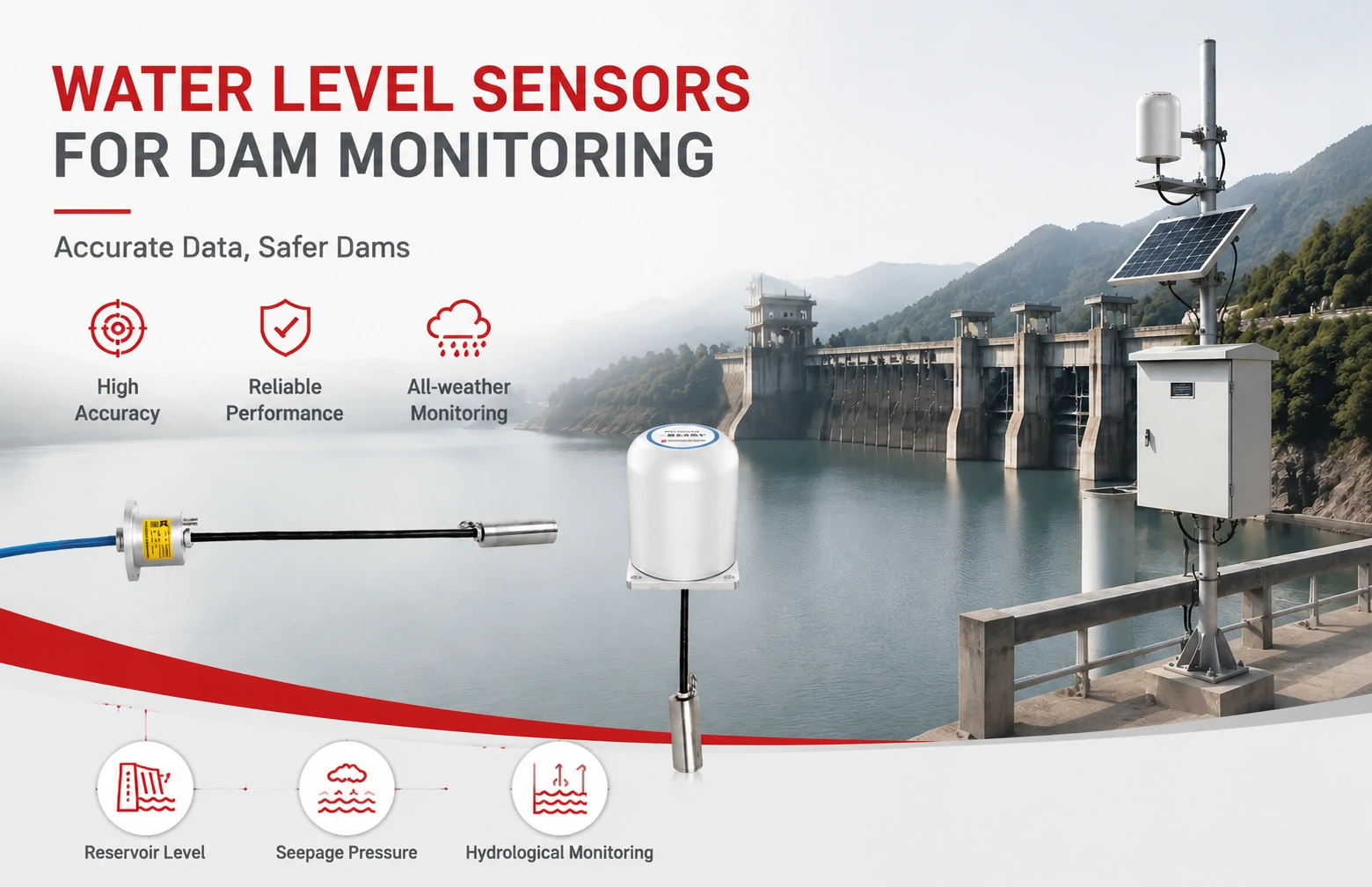
Kingmach Water Level Sensors for Dam Monitoring: A Buyer's Guide to Differential Pre...
Products
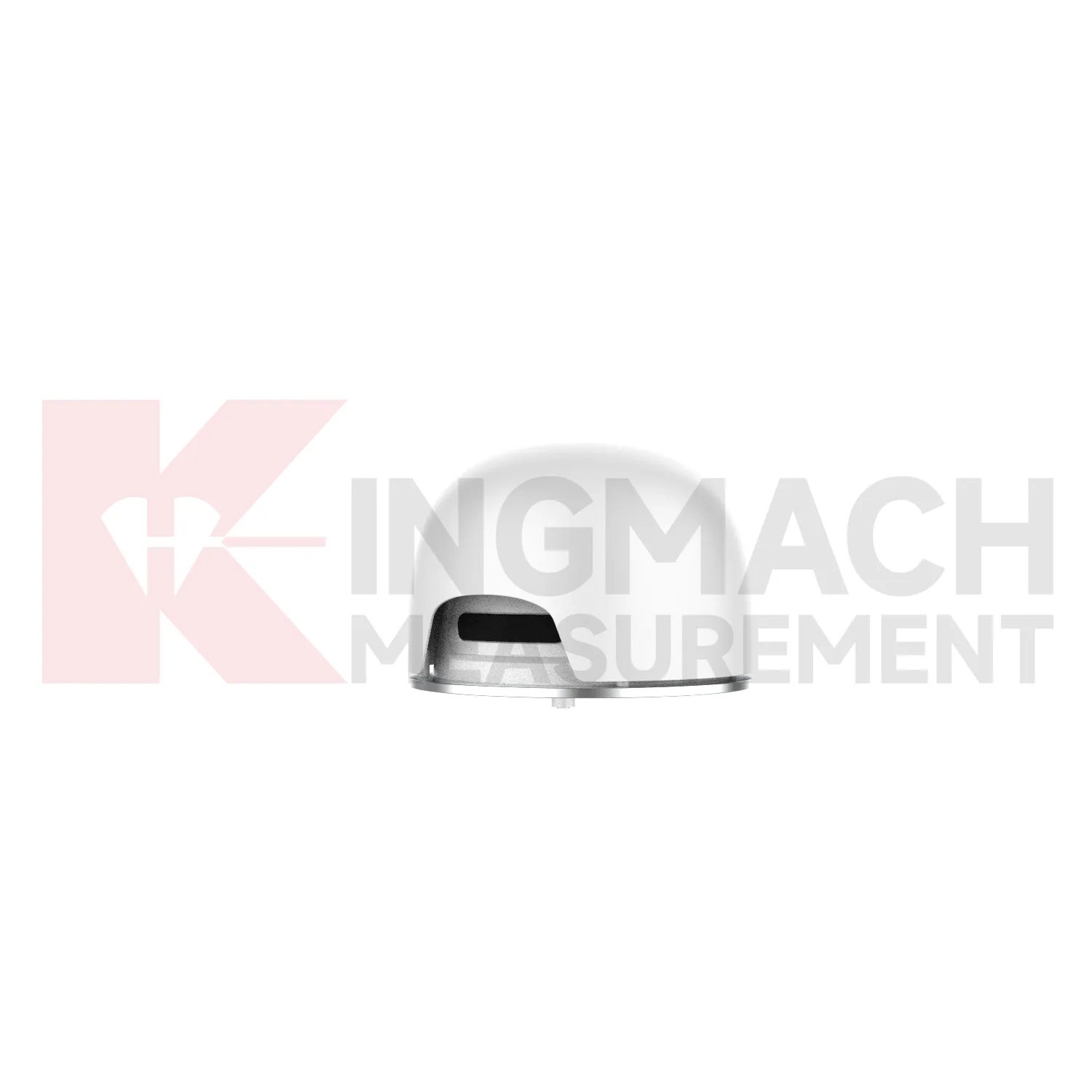
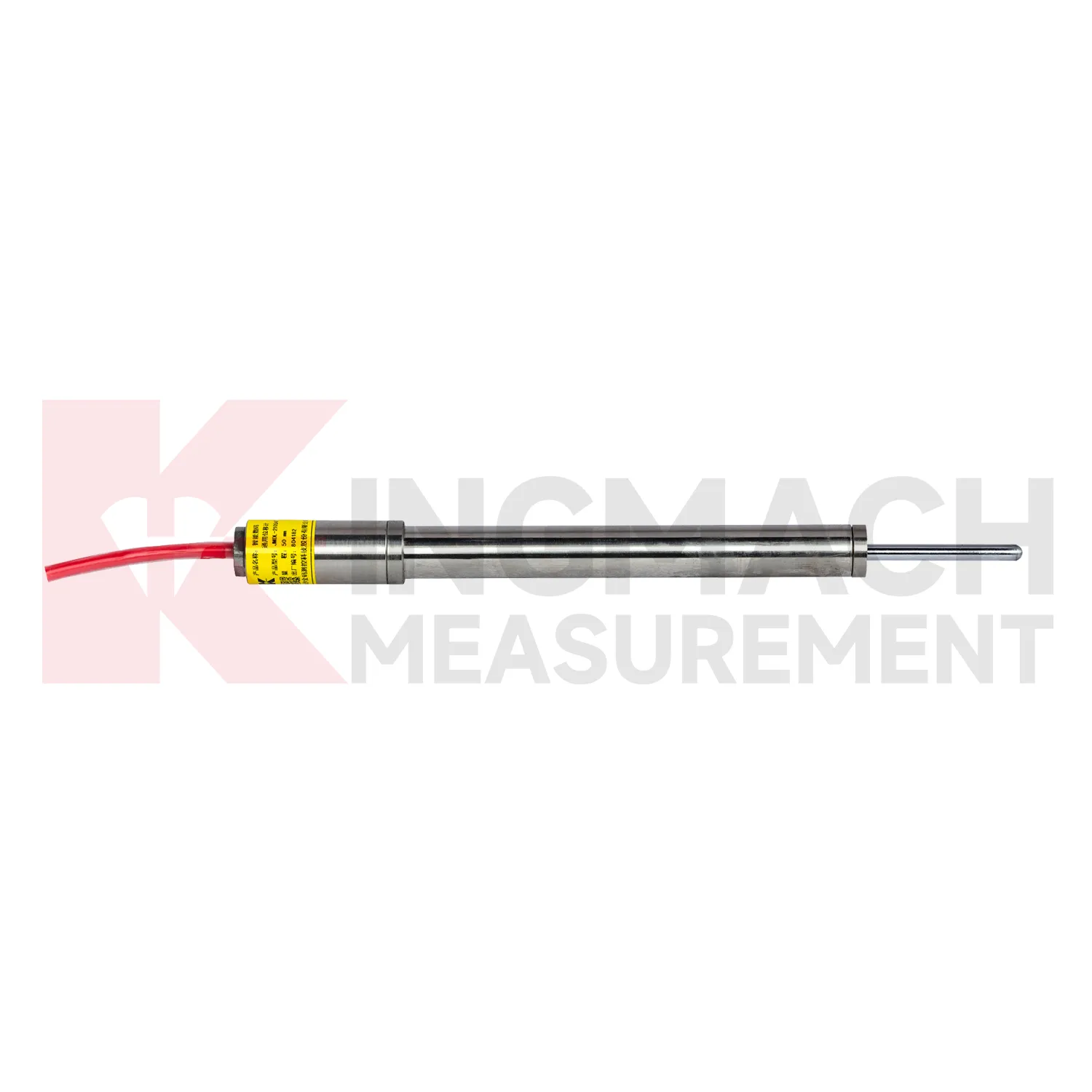
Smart General-Purpose Displacement MeterJMDL-21XXAT
View Details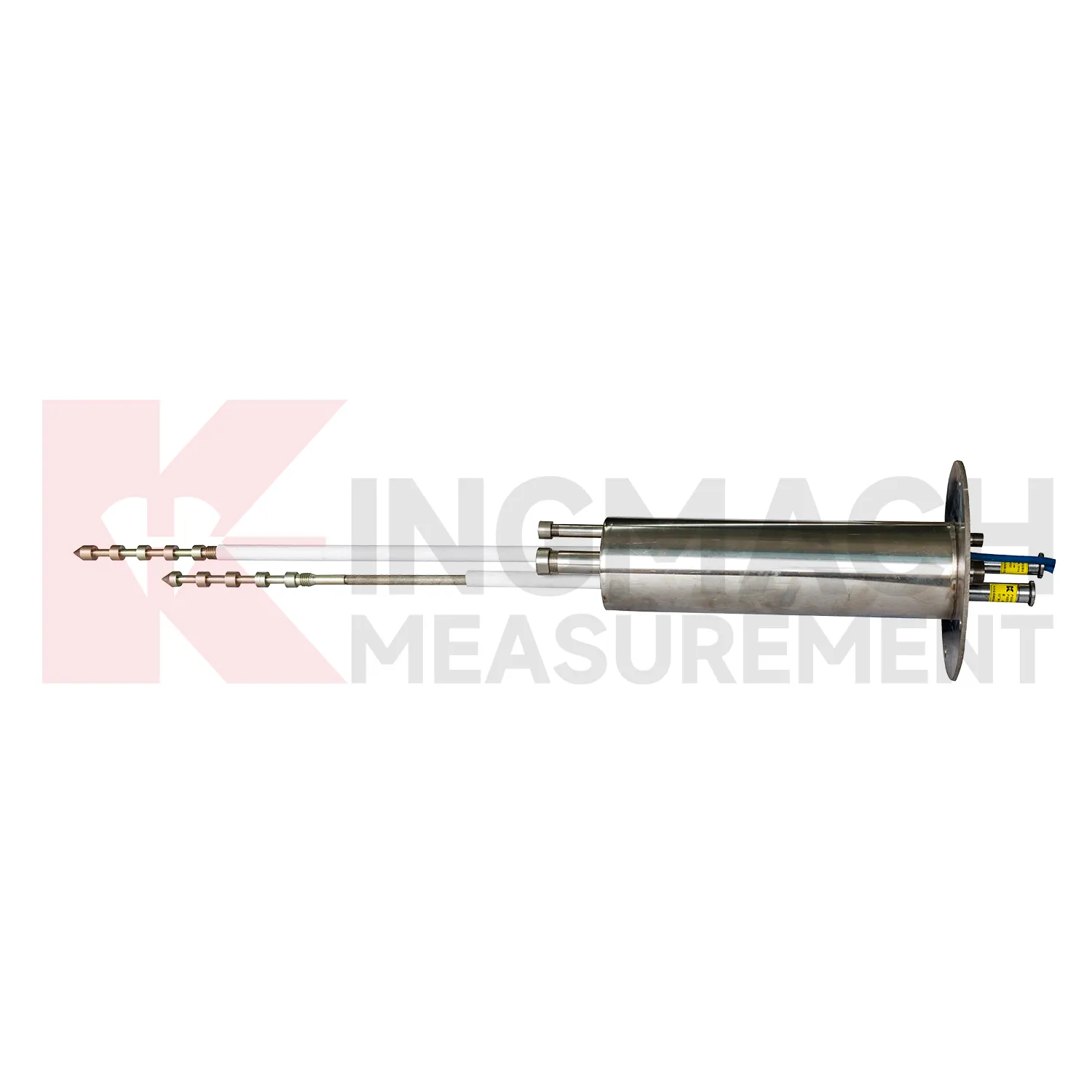
Smart Multipoint Displacement Meter JMDL-31XXAT
View DetailsFAQ
LVDTs have no physical contact between the core and coil, so there’s nothing to wear out. Potentiometers rely on a wiper sliding over a resistive track, which gets noisy and fails after millions of cycles. LVDTs handle vibration, high cycle counts, and dirty environments much better—they’re often preferred in structural health monitoring where sensors are hard to replace.
Many Kingmach LVDTs are rated IP68, which means they’re sealed against continuous submersion. Just confirm the specified depth and cable gland type when ordering. For purely dry applications, an IP65 model might be enough and cost a bit less. Either way, the measurement performance stays the same.
Look at the expected displacement—whether it’s only 2 mm of crack opening or 200 mm of joint movement—and add about 20% headroom. That way the sensor stays within its linear region and you avoid saturating the output. If you’re unsure, our engineers can review your project specs and suggest a standard range or a custom one.
You’ve got both options. We can provide DIN-rail modules or panel meters that output 4–20 mA, 0–10 V, or RS485. If your PLC already has an AC-LVDT input card, we’ll supply the sensor with raw coil leads and a wiring schematic. Many integrators prefer the 4–20 mA approach for long cable runs.
Compact LVDTs with bodies under 10 mm diameter are available for short ranges up to ±5 mm. They’re often used in laboratory material testing rigs or embedded in concrete specimens. We can also put together a custom probe with a remote electronics module if the head needs to be even smaller.
Share your product type, target capacity, and application requirements. Our team can review the details and recommend a practical next step.
If you are interested in our products or want to become our partner.
Please leave your contact information, our team will contact you as soon as possible.
Mail: [email protected]
Contact Us: +8613808434127
Address: No. 188 Tongzipo West Rd, Changsha, Hunan, China