
 EN
 ar
 bg
 hr
 cs
 da
 nl
 fi
 fr
 de
 el
 hi
 it
 ko
 no
 pl
 pt
 ro
 ru
 es
 sv
 tl
 iw
 id
 lv
 lt
 sr
 sk
 sl
 uk
 vi
 et
 hu
 th
 tr
 fa
 ms
 hy
 ka
 ur
 bn
 mn
 ta
 kk
 uz
 ku

sensor lineal
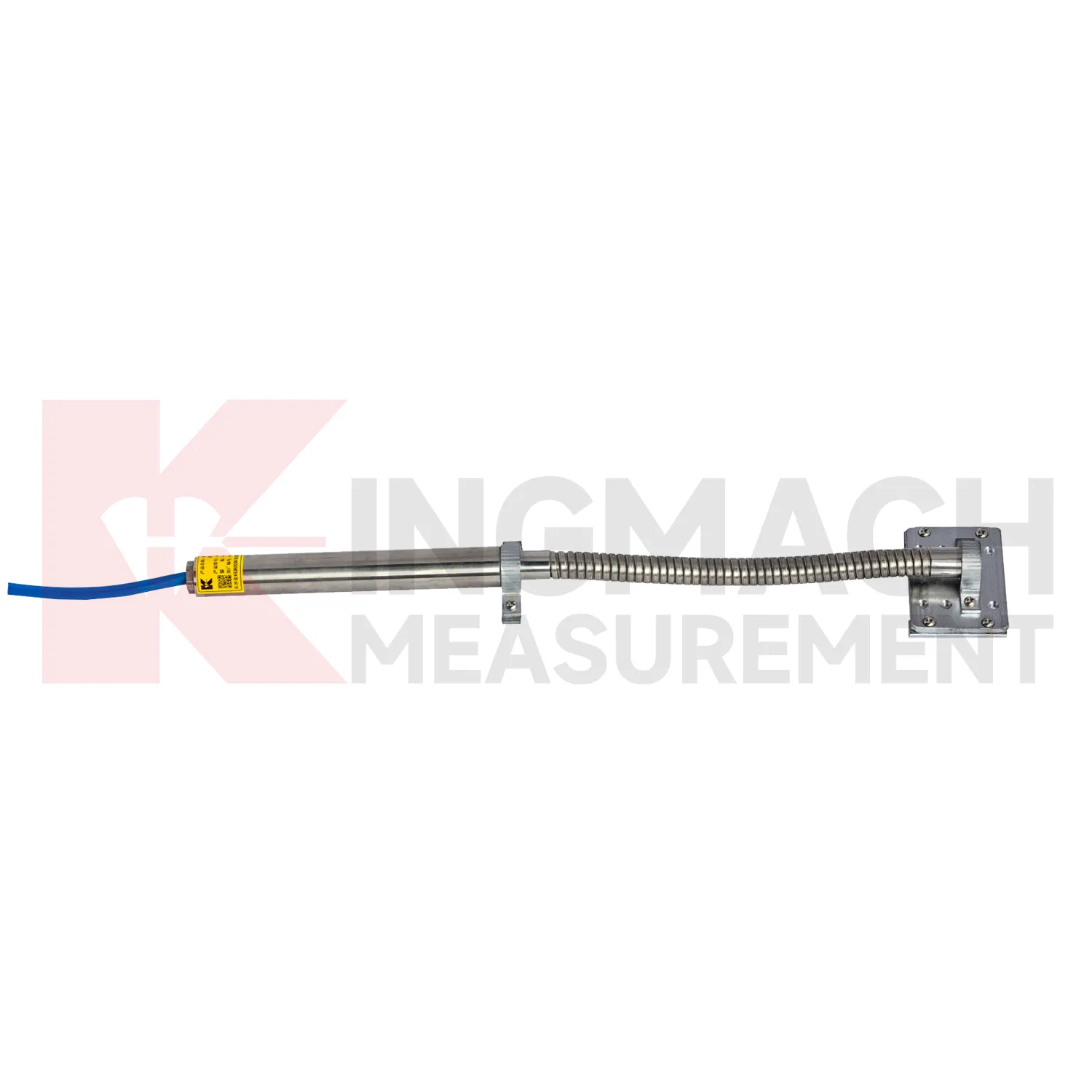
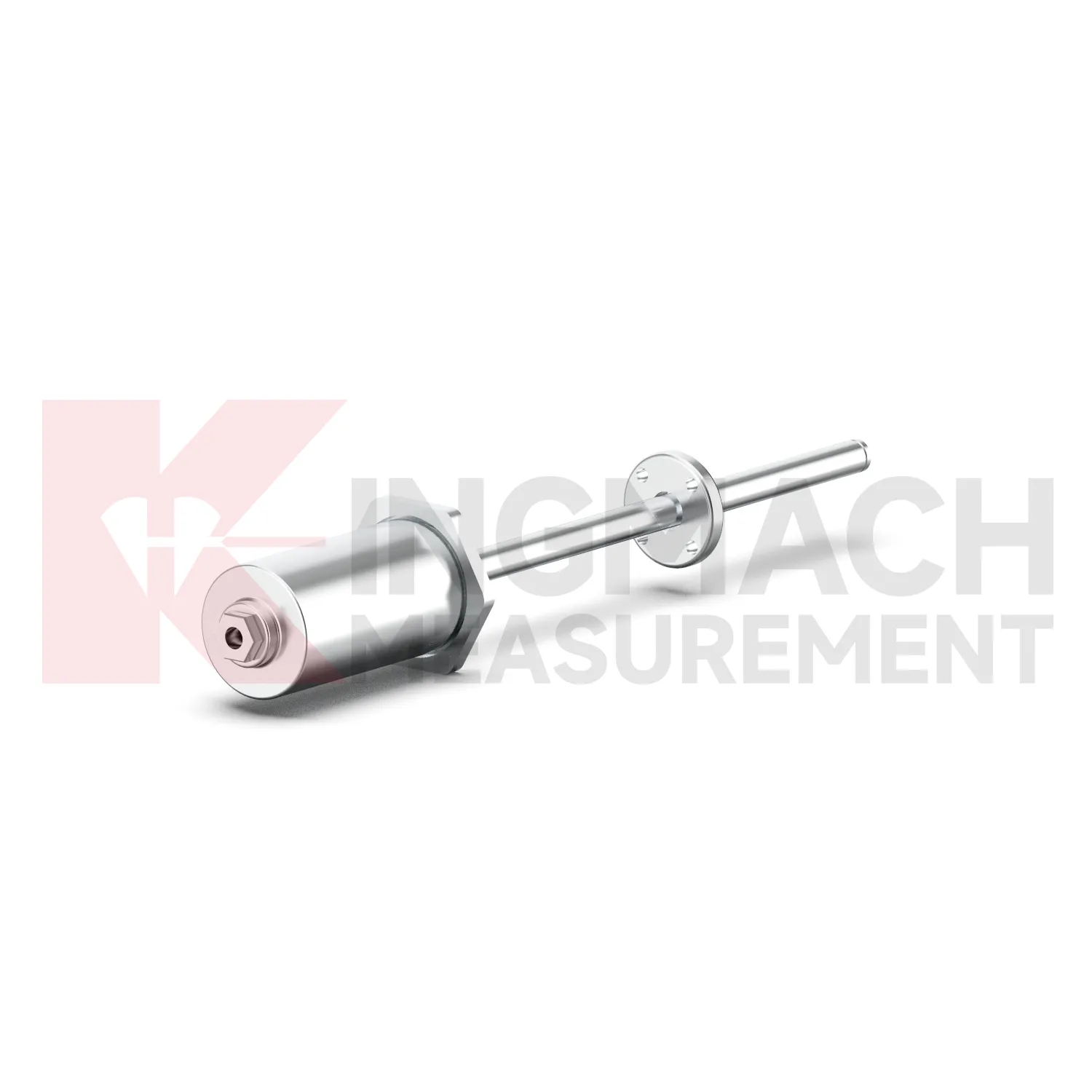
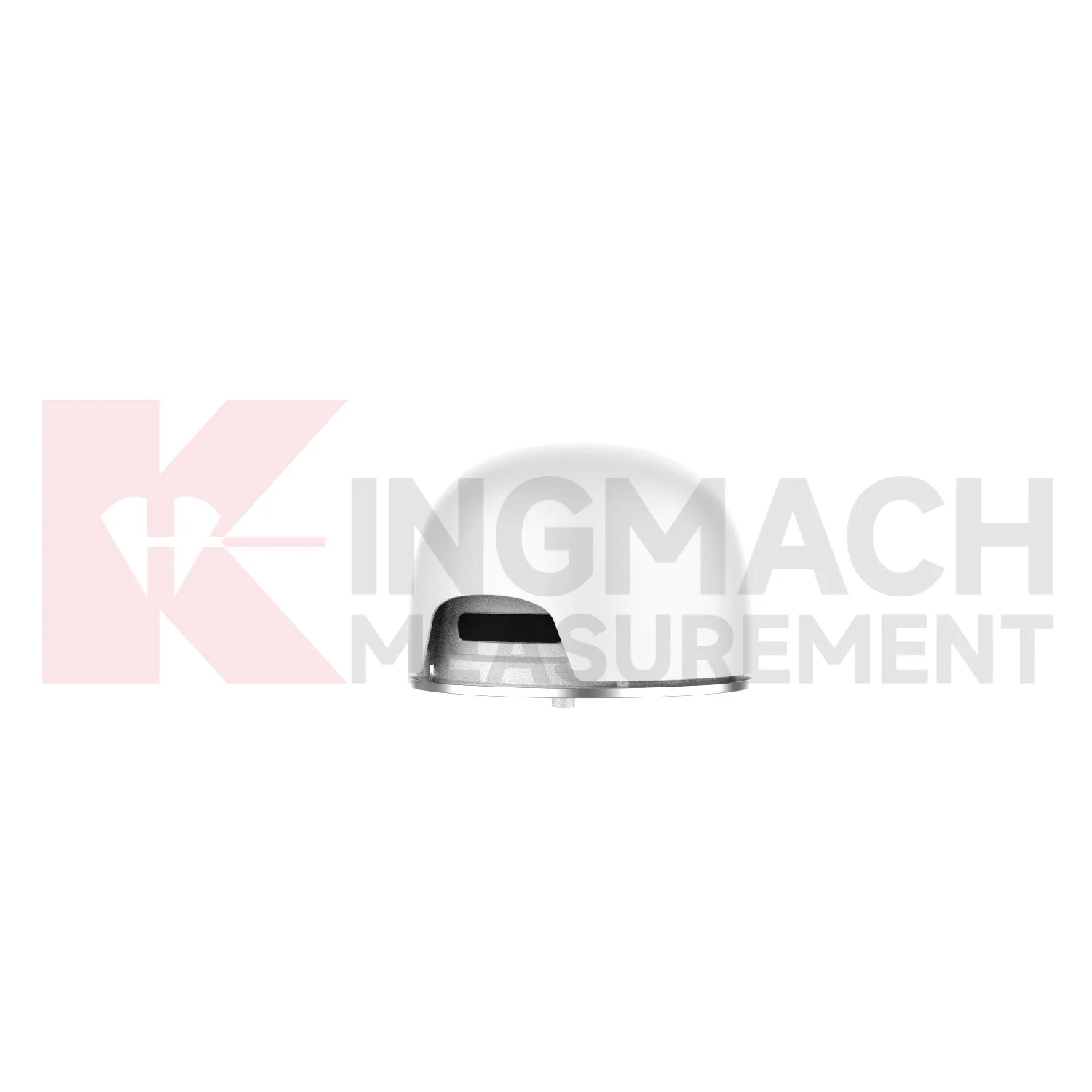
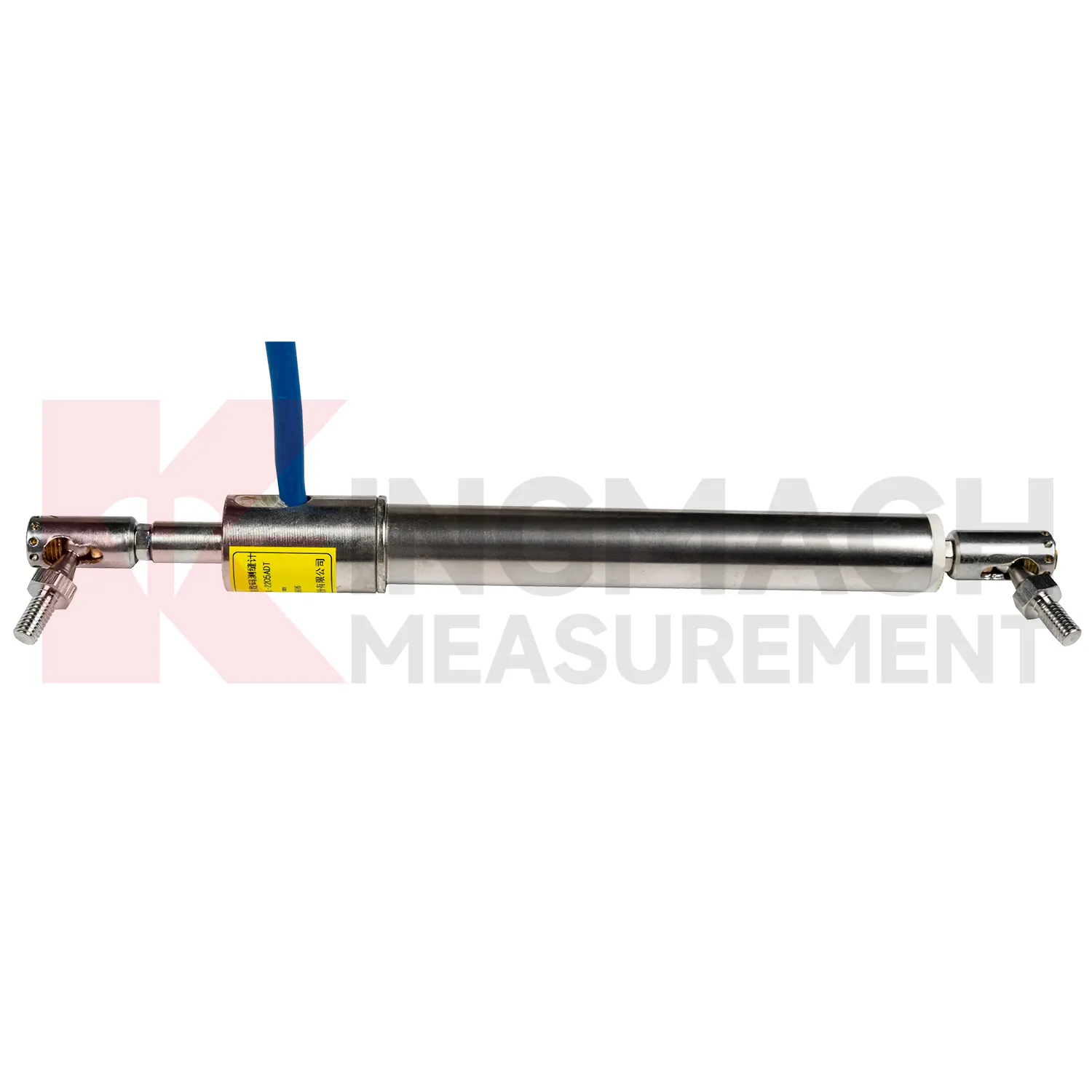
The JMLS-22XXADT Wire Rope Displacement Sensor broadens Kingmach sensor lineal into long-travel and flexible-path displacement measurement. It uses a retractable plastic-coated stainless steel cable wound around a spool and a precision rotary sensor. When the cable extends or retracts, resistance changes are converted into displacement data. Listed ranges include 0 to 500 mm, 0 to 1000 mm, and 0 to 2000 mm. Product information gives 0.1 mm resolution, 0.2%FS accuracy, DC 9V to 24V operating voltage, power consumption at or below 0.3 W, RS485 communication at 2400 bps, IP67 sealing, operating temperature from -30 degrees Celsius to +70 degrees Celsius, dimensions of 115 mm by 85 mm by 100 mm, and approximately 1 kg weight. The product supports linear and curved displacement monitoring, making it useful for dam monitoring, geohazard prevention, tunnel clearance, machinery position, soil and rock movement, and long-distance movement between two points. During project setup, the measuring point should be matched with the expected travel direction, available mounting space, cable route, and required acquisition interval. This prevents a short-range joint instrument from being used on a long-travel point, or an exposed sensor from being placed where an embedded anchor is needed. It also helps the monitoring team set a baseline that can be defended during acceptance and later maintenance review.
Application of sensor lineal
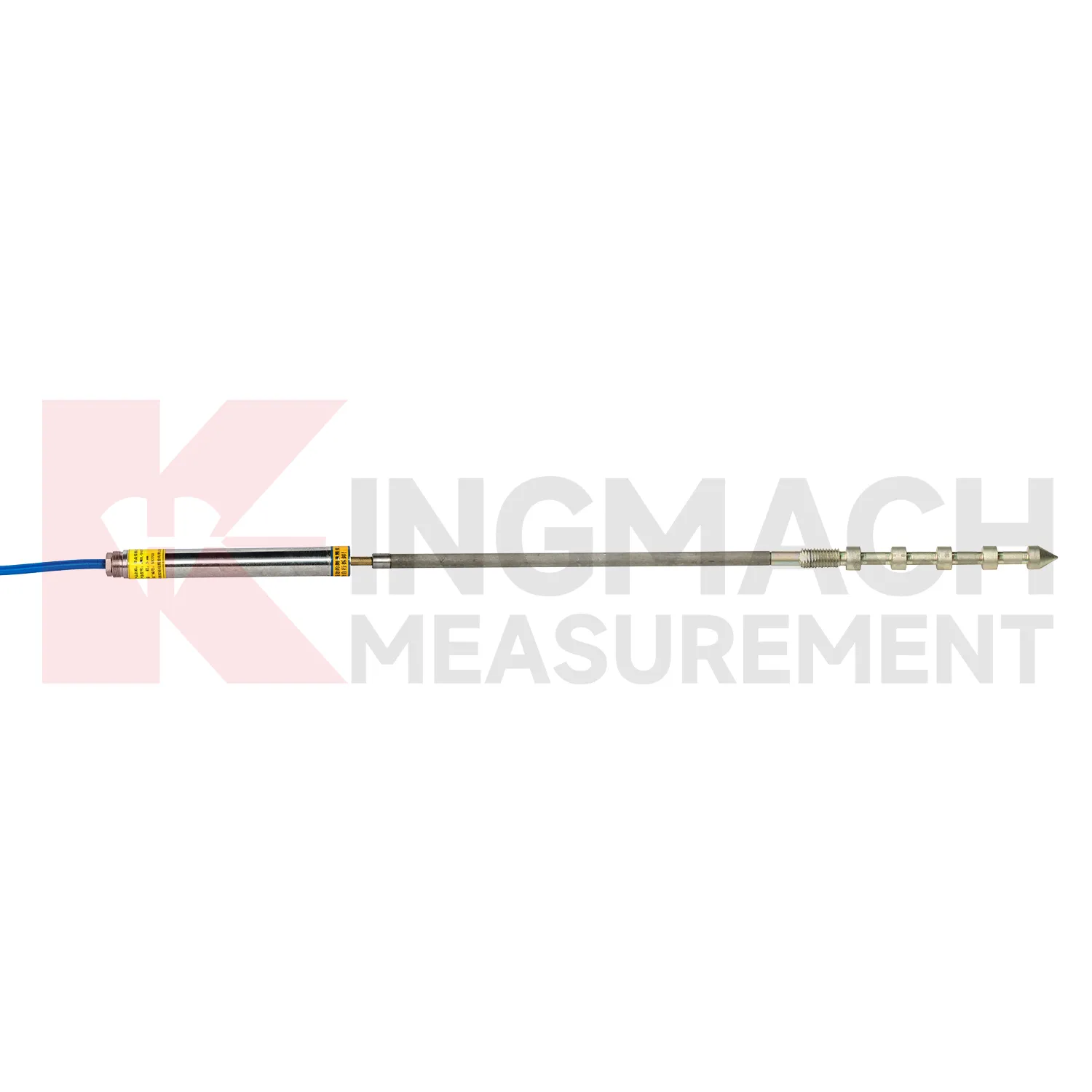
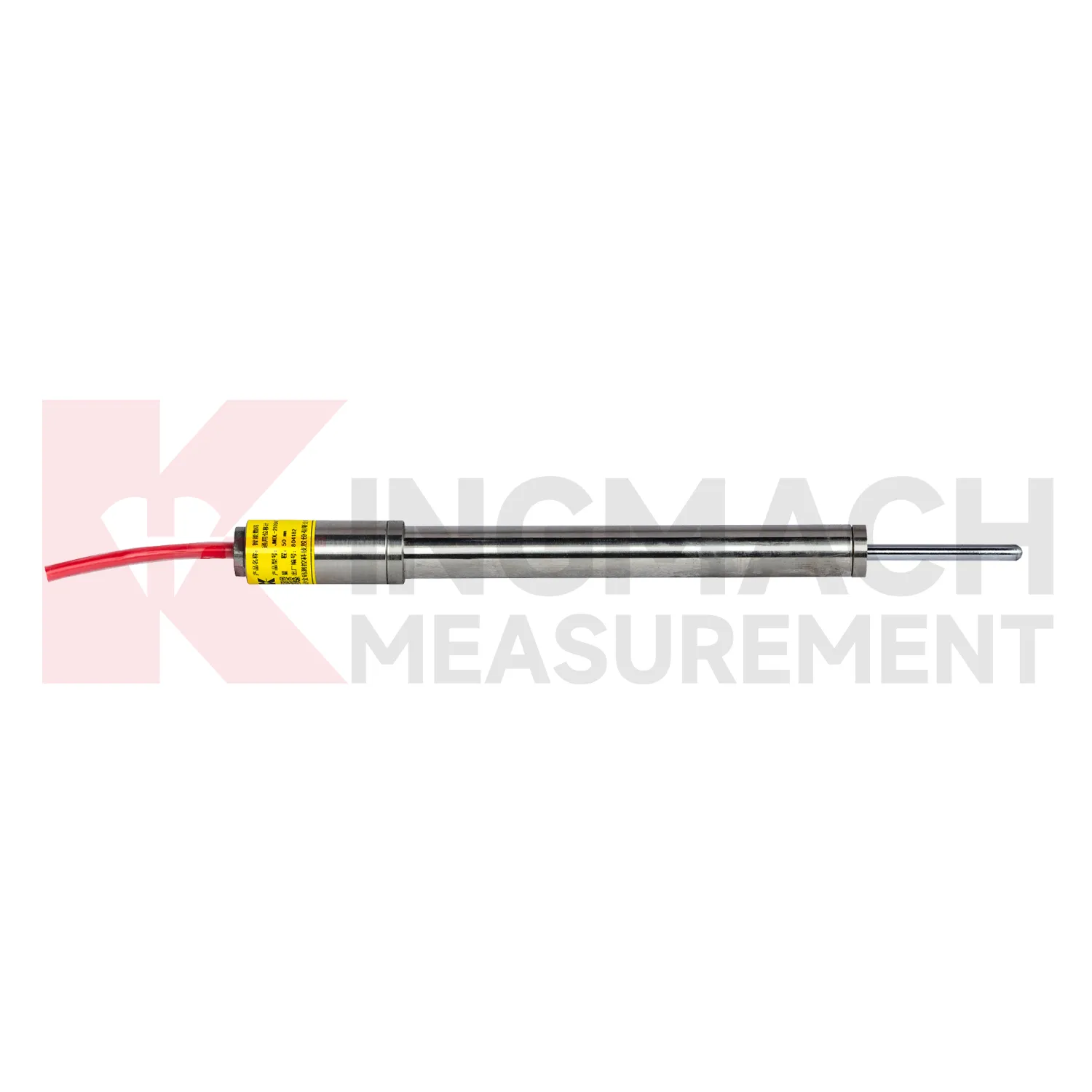
In industrial automation and equipment monitoring, sensor lineal are used for hydraulic cylinder stroke, machine tool positioning, gate movement, construction machinery displacement, and linear motion control. The site pain point is different from civil monitoring: readings must often be fast, absolute, repeatable, and resistant to wiring mistakes or mechanical wear. Kingmach JMCW-21XXADT magnetostrictive meters provide non-contact absolute displacement measurement over 0 to 1000 mm, 0.01 mm resolution, plus or minus 0.05%FS accuracy, RS485 communication, IP67 protection, average current below 60 mA, and reverse polarity protection up to -36V. For equipment with cable travel, JMLS-22XXADT wire rope sensors provide 500 mm, 1000 mm, and 2000 mm ranges with 0.2%FS accuracy and compact dimensions of 115 mm by 85 mm by 100 mm. These products help operators track position drift, stroke limits, gate opening, and machine movement in harsh workshops or outdoor installations. During operation, the monitoring team should keep the baseline, temperature, inspection notes, and nearby sensor behavior in the same review file. This makes it easier to tell whether a movement trend comes from normal service, a repair event, changing load, water influence, or developing structural risk. Clear records also help owners decide when a field inspection is needed instead of waiting for visible damage.
The future of sensor lineal
Standardized reporting will become more important for future sensor lineal use. Different stakeholders read movement data in different ways: site managers need fast alerts, designers need deformation patterns, owners need risk status, and maintenance teams need repeatable inspection records. Kingmach smart displacement products already provide details such as absolute displacement, relative displacement, zero-point value, temperature, model number, calibration coefficient, and stored measurements on selected models. Future reports can turn those details into clearer tables and curves: baseline date, latest reading, daily change, cumulative movement, temperature at reading, warning level, sensor status, and recommended inspection action. This will help projects avoid long exports that hide the main risk. A clear displacement report should show not only how far a point moved, but whether that movement is new, accelerating, linked with other sensors, or still within the expected range. Report formats should also keep field photos and maintenance notes close to the curve, so reviewers can understand the physical point behind the data.
Care & Maintenance of sensor lineal
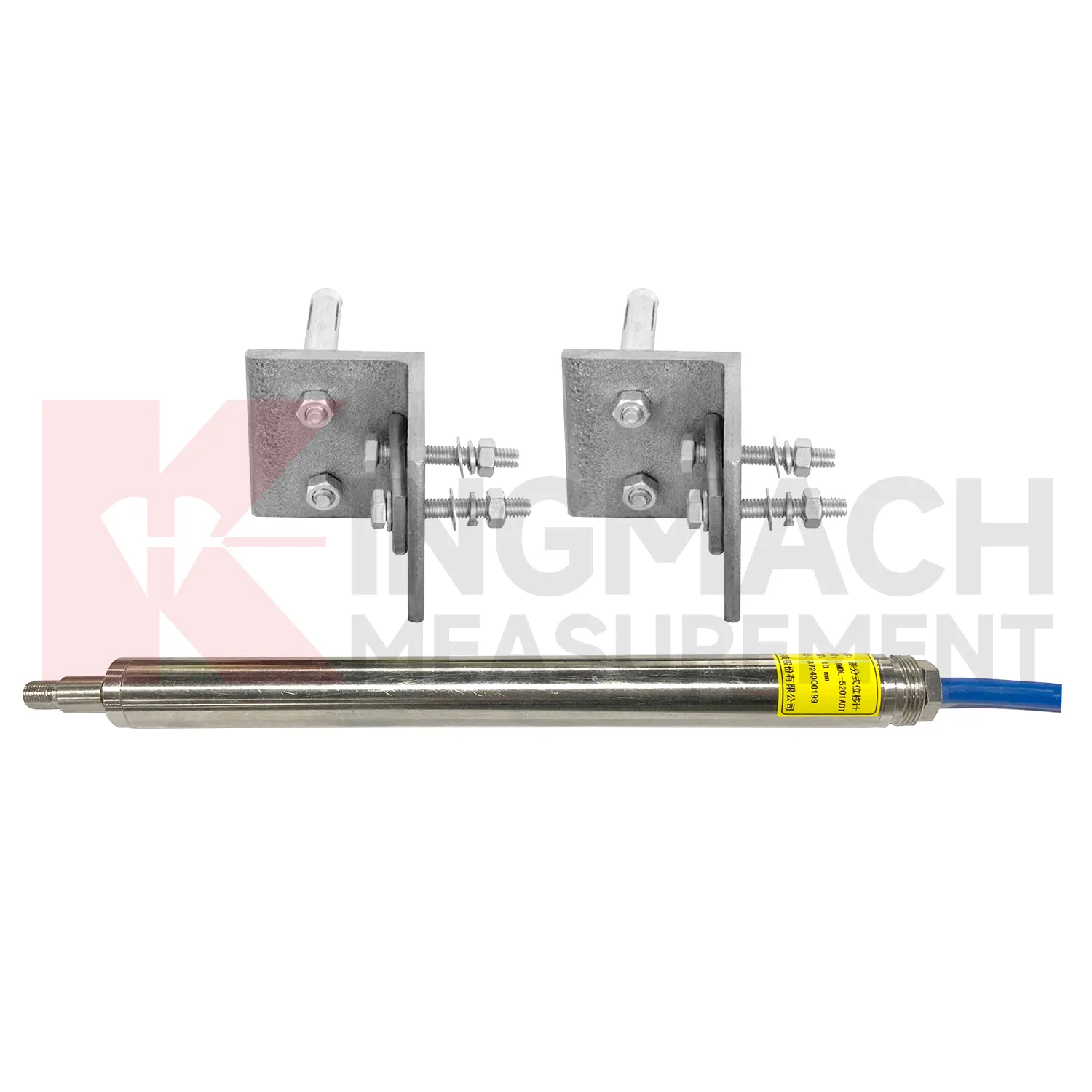
For formwork and construction-stage sensor lineal, inspection frequency should match the work rhythm. Kingmach JMDL-49XXAT formwork displacement meters may be used during concrete pouring, steel pipe support monitoring, tunnel portal movement, slope sliding, dam displacement, or railway subgrade monitoring. The product lists IP68 protection, 0.01 mm sensitivity, 0.5%FS accuracy, and a 30-year service life, but construction sites can still damage connectors, brackets, and cables quickly. Before pouring, confirm the zero reading, bracket tightness, cable route, warning level, and acquisition interval. During pouring or loading, watch for sudden jumps that match pump movement, support adjustment, or worker contact. After the stage is complete, inspect whether the sensor was knocked, buried, or moved. Keep time and temperature records with displacement readings because short-term construction movement can be different from long-term structural deformation. Keep the installation photo, point number, zero value, and expected movement direction with the commissioning record for later review. If a reading changes after maintenance work, inspect the base, anchor, cable, and cabinet before assuming the structure itself has moved.
Kingmach sensor lineal
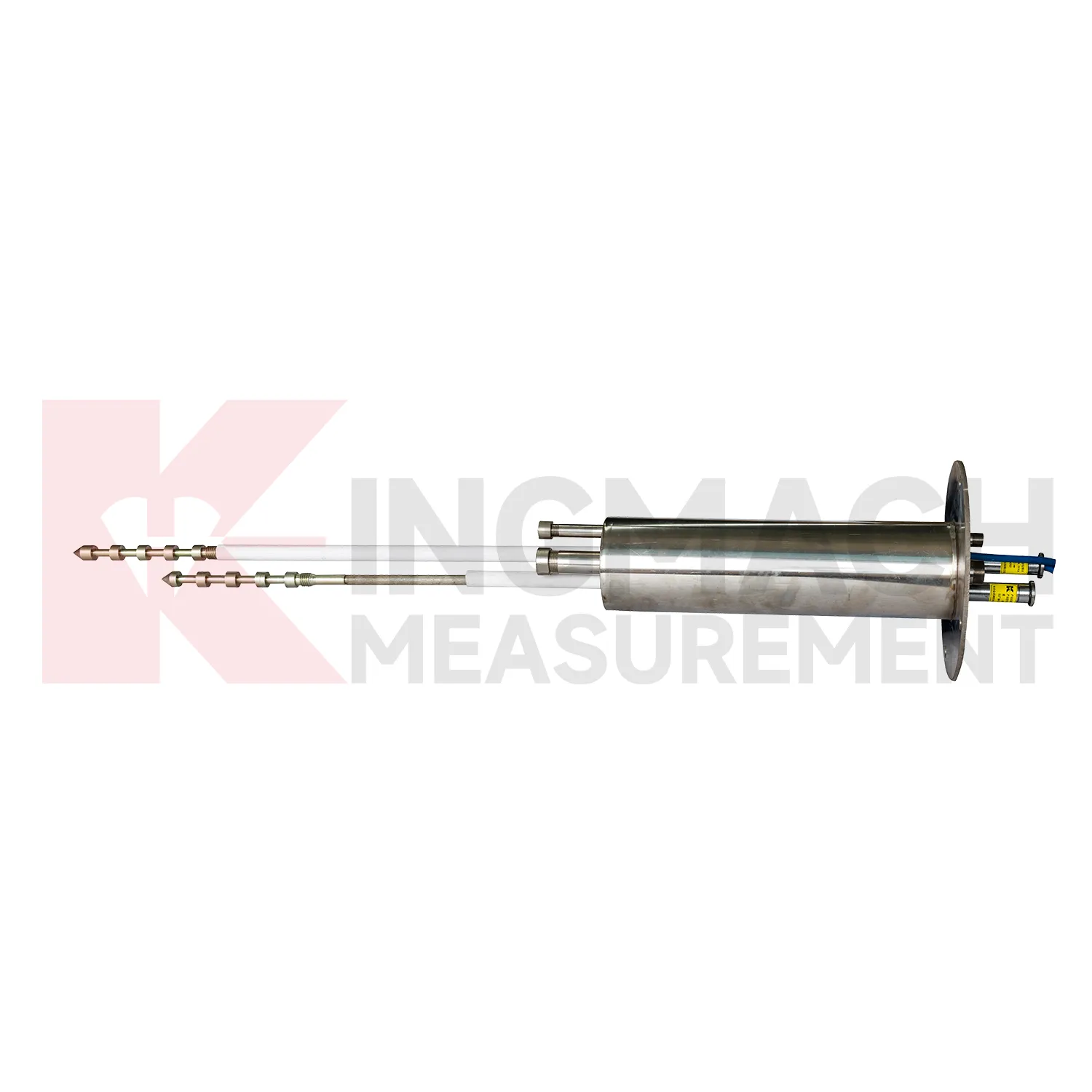
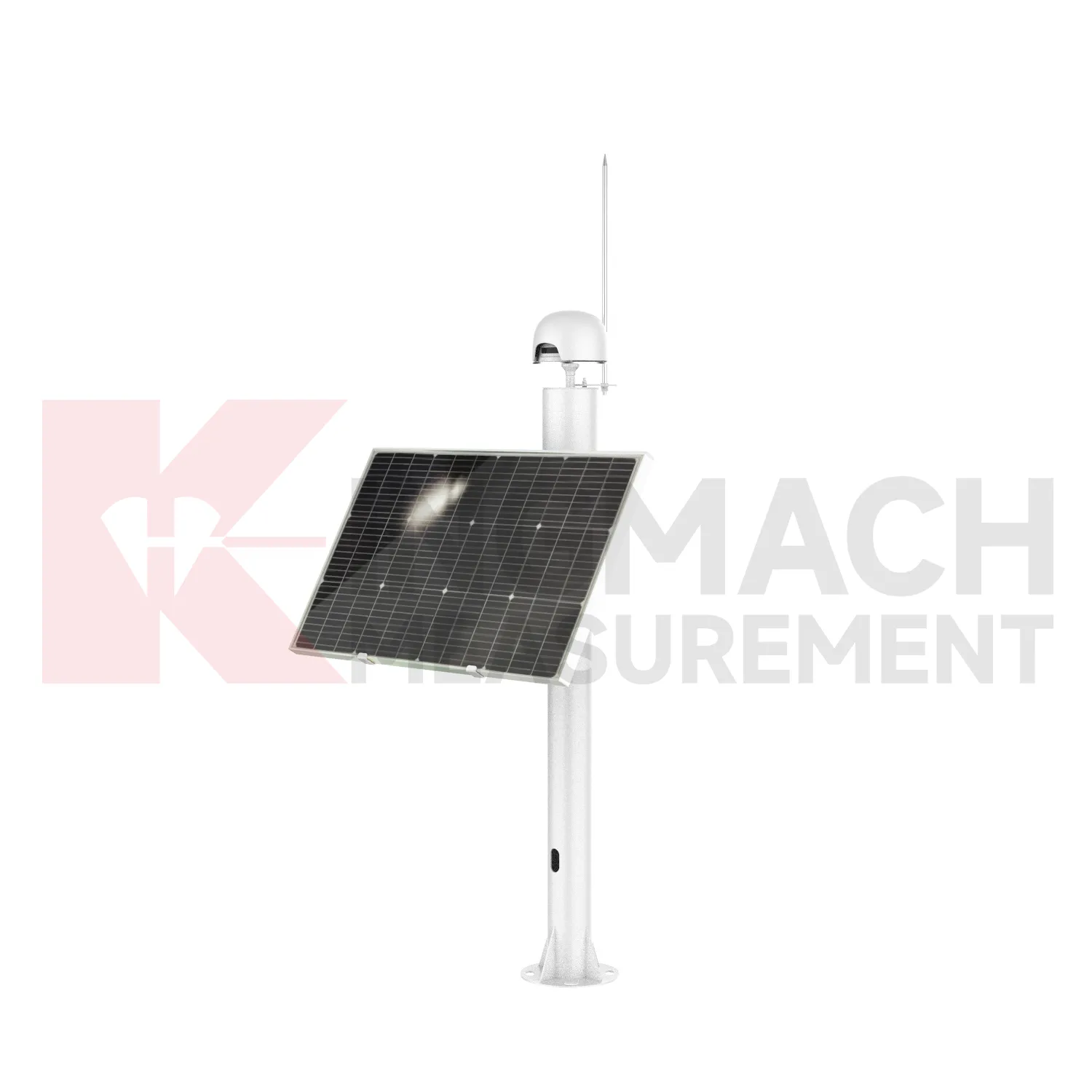
sensor lineal help engineers separate normal movement from structural risk. A bridge expansion joint may move with temperature, a tunnel lining may shift after excavation, and a slope may creep slowly before an alarm condition appears. Kingmach displacement products use several sensing routes, including inductive frequency modulation, differential coil measurement, magnetostrictive sensing, draw-wire conversion, and GNSS-based displacement tracking. Ranges can start at 20 mm for joint monitoring and extend to 2000 mm for draw-wire applications, while selected smart models store model data, serial numbers, calibration coefficients, zero values, temperature, and hundreds of measurement records. This makes the reading easier to trace during acceptance, maintenance, and later review. For a project buyer, the practical question is whether the movement point is exposed, embedded, multi-depth, long-distance, waterproof, or tied to geogrid. Kingmach provides different forms for those different site conditions. The point should be named on the drawing, linked with its cable route, and checked against the expected movement direction before the first automatic reading is accepted. For daily review, the reading should be compared with nearby points, recent weather, site operations, and any loading event that could explain the movement.
FAQ
Q: How should sensor lineal be maintained?
A: Inspect brackets, anchors, measuring rods, cable routes, connectors, waterproof seals, cabinet wiring, grounding, and channel labels at planned intervals.
Q: What signs suggest a data problem rather than real movement?
A: Flat lines, sudden jumps after cabinet work, repeated communication gaps, impossible readings, or disagreement with nearby points may indicate sensor, cable, power, or channel issues.
Q: Can temperature affect displacement data?
A: Yes. Some products include low temperature sensitivity, differential measurement, or temperature records, but temperature should still be reviewed with the movement trend.
Q: Should zero values be reset often?
A: No. Resetting without a field reason can hide structural movement. Record the event, reason, and new baseline if a reset is required.
Q: What makes a displacement record useful during handover?
A: A useful record includes model, range, serial number, calibration coefficient, baseline, installation photo, point location, latest trend, warning level, and maintenance notes.
Reviews
Robert Taylor
The weir flow meter is well-built and delivers accurate measurements. Great value for water management applications.
Christopher Martinez
Very satisfied with the readouts & data loggers. User-friendly interface and supports multiple sensor inputs.
Latest Inquiries
To protect the privacy of our buyers, only public service email domains like Gmail, Yahoo, and MSN will be displayed. Additionally, only a limited portion of the inquiry content will be shown.
Mia***@gmail.comNetherlands
Dear team, we are interested in your readouts & data loggers compatible with multiple sensors. Do yo...
Emma***@gmail.comCanada
Dear Sir/Madam, we are interested in displacement transducers and settlement sensors for a geotechni...