
 EN
EN
 ar
ar bg
bg hr
hr cs
cs da
da nl
nl fi
fi fr
fr de
de el
el hi
hi it
it ko
ko no
no pl
pl pt
pt ro
ro ru
ru es
es sv
sv tl
tl iw
iw id
id lv
lv lt
lt sr
sr sk
sk sl
sl uk
uk vi
vi et
et hu
hu th
th tr
tr fa
fa ms
ms hy
hy ka
ka ur
ur bn
bn mn
mn ta
ta kk
kk uz
uz ku
ku
lvdt displacement sensor
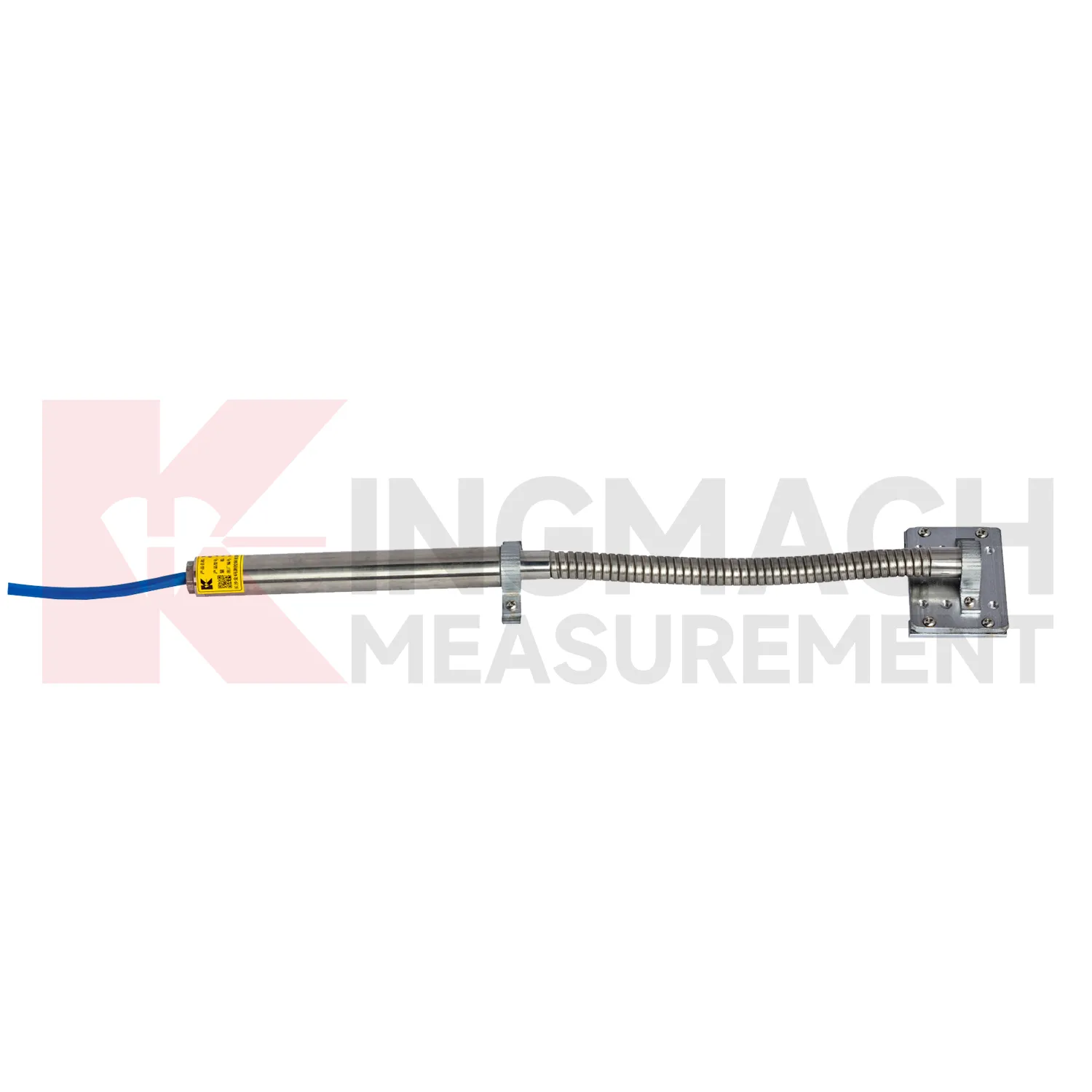
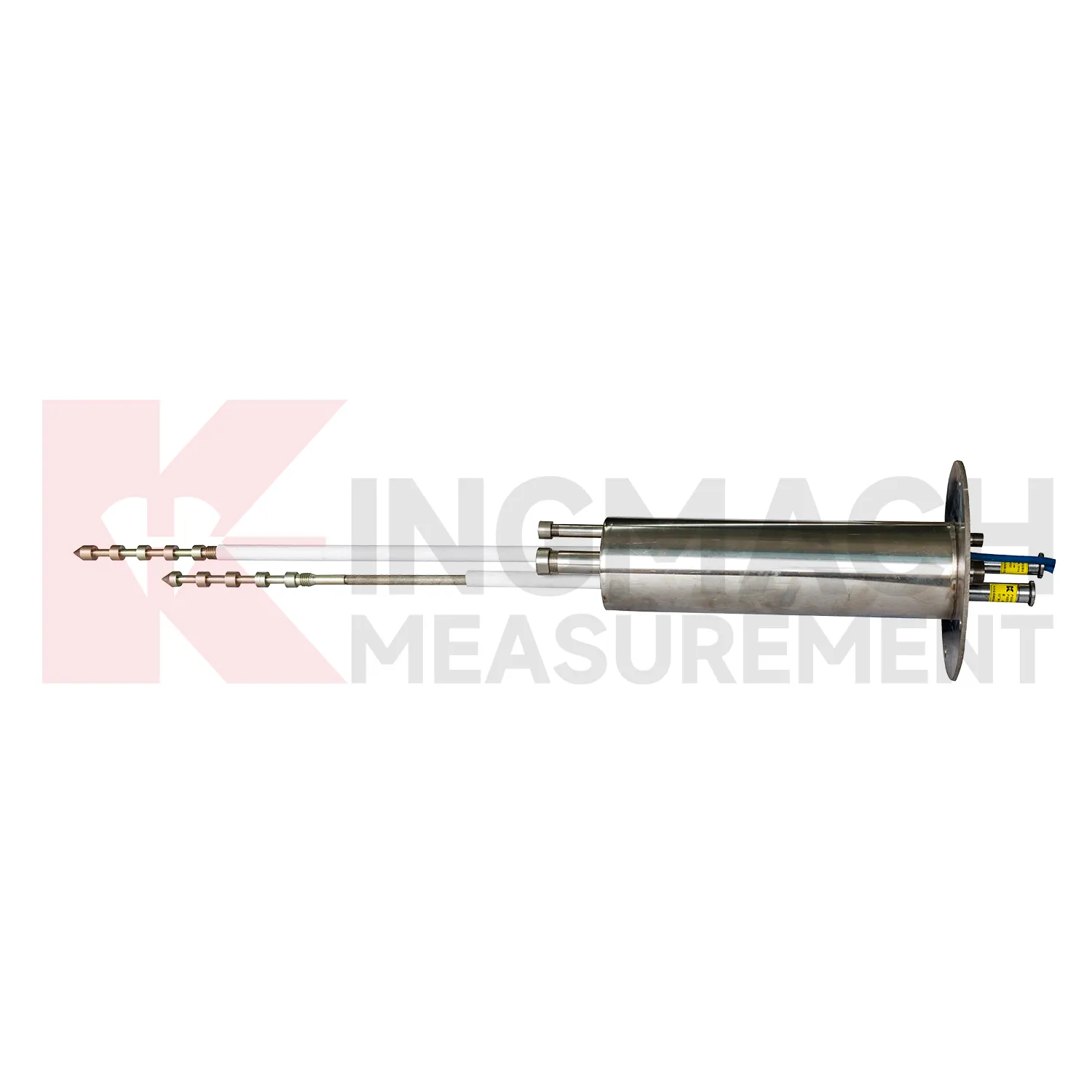
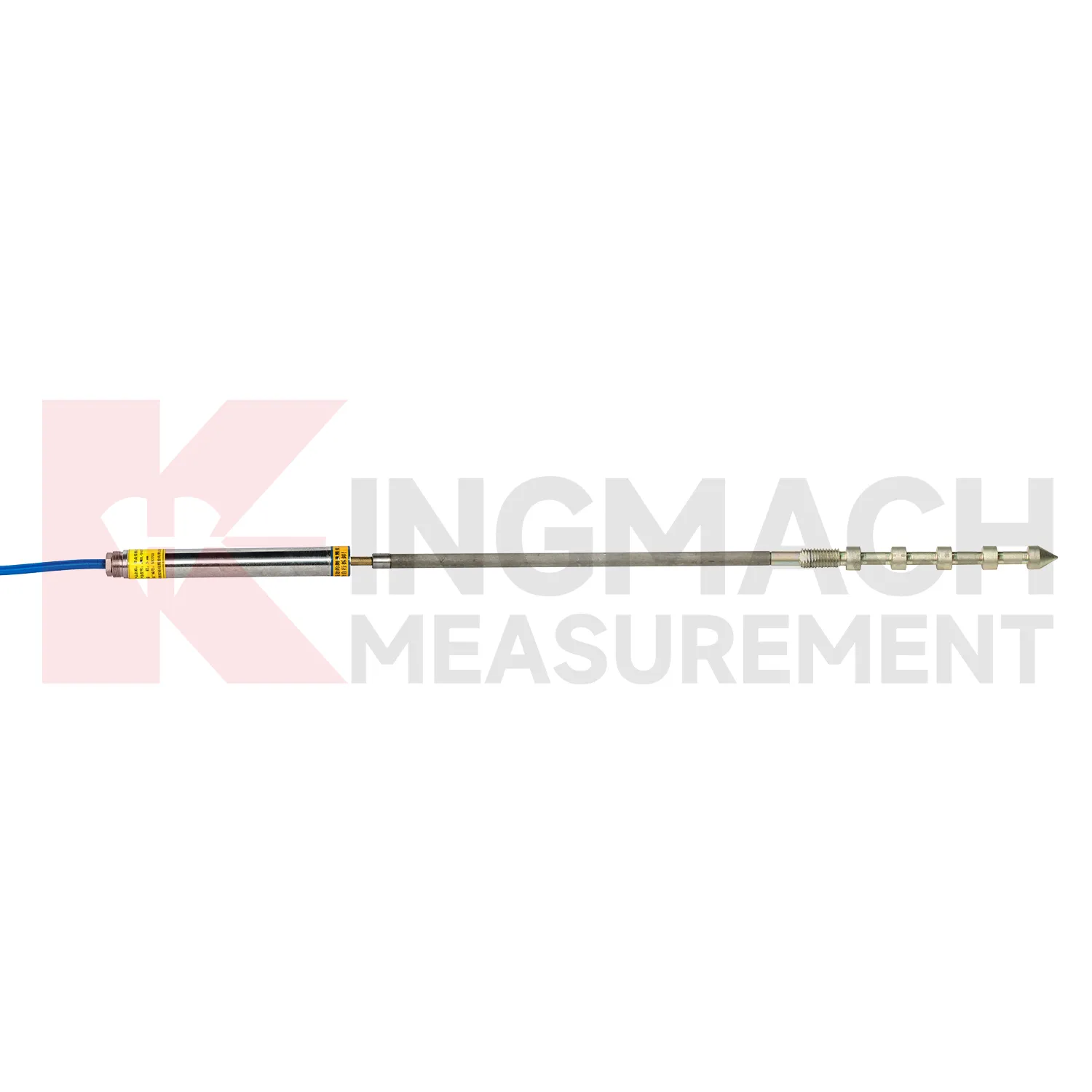
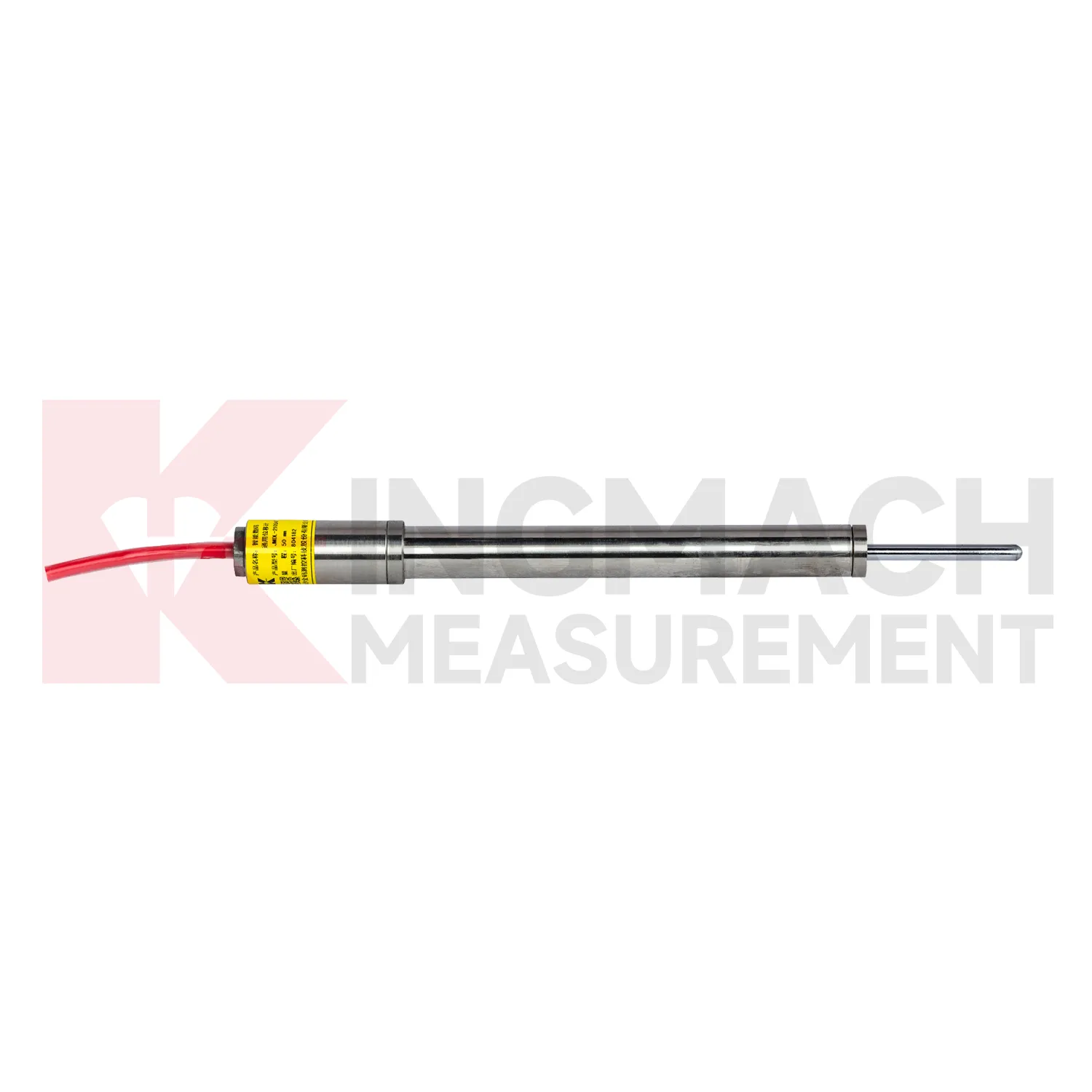
For reinforced soil and geogrid work, Kingmach lvdt displacement sensor include the JMDL-24XXAT Smart Flexible Displacement Meter. This product is built around patented inductive flux frequency modulation technology and is designed for deformation or strain monitoring in geogrid materials used in reinforced soil and pile-net subgrade foundations. The measuring rod extension is flexible, so it can deform with the geogrid while both ends are clamped by mounting brackets for reliable strain transfer. Listed ranges are 30 mm and 50 mm, with 0.01 mm sensitivity and 0.5%FS accuracy. The non-contact measurement layout keeps the measuring rod and internal coil independent, reducing damage risk during installation and service. A 20-point curve fitting process supports nonlinear correction and accurate displacement output. Kingmach lists a designed service life of up to 30 years for this product, which fits long-term railway, roadbed, slope, and foundation monitoring where buried materials cannot be visually inspected after construction. For this model, the installation record should focus on geogrid layer position, bracket clamping force, fill sequence, compaction stage, cable exit route, and the first stable value after backfilling. Those details are different from crack monitoring because the sensor is working with buried reinforcement deformation rather than an exposed joint. During later review, the curve should be checked with settlement, traffic loading, rainfall, and earthwork records so engineers can understand how the reinforced soil body is behaving.
Application of lvdt displacement sensor
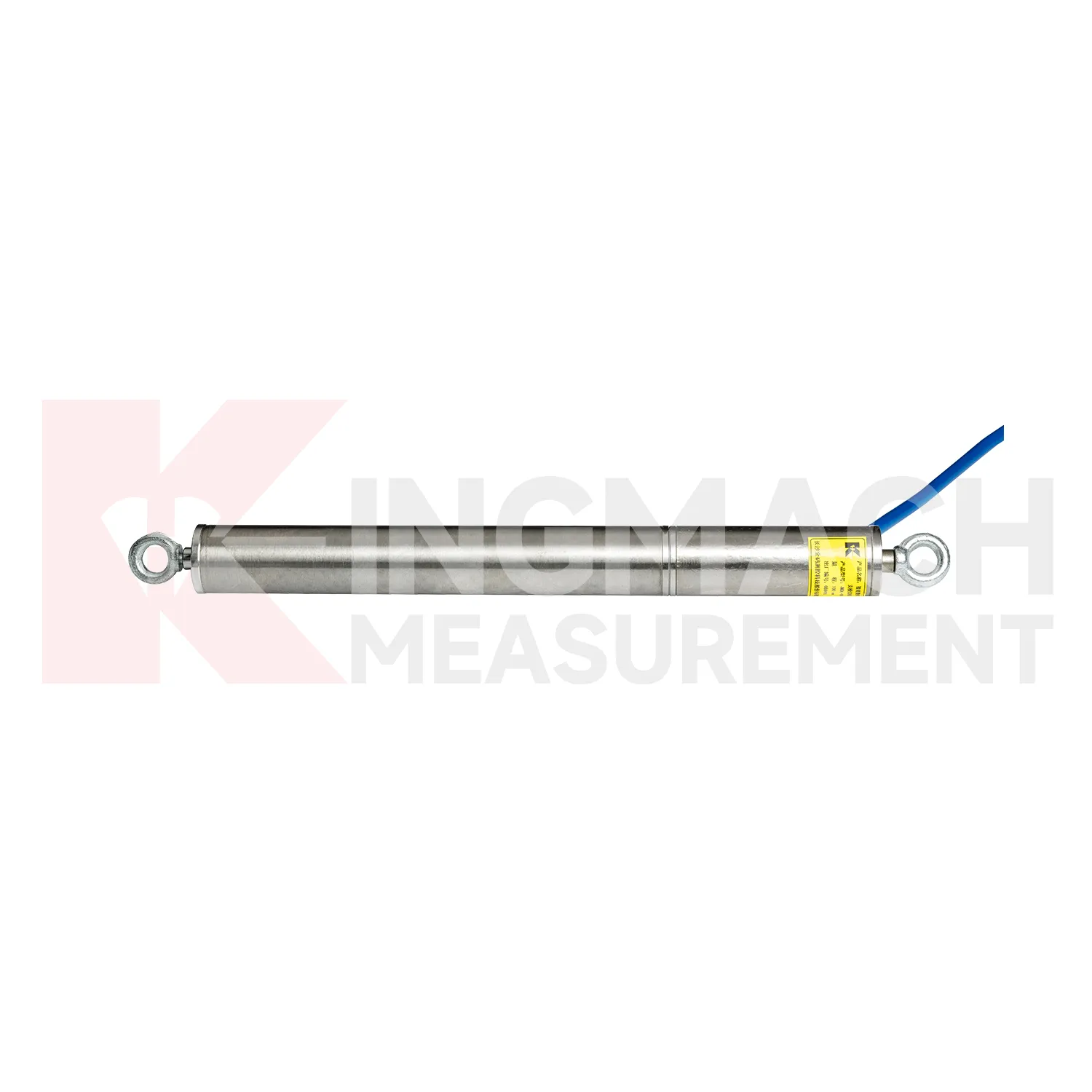
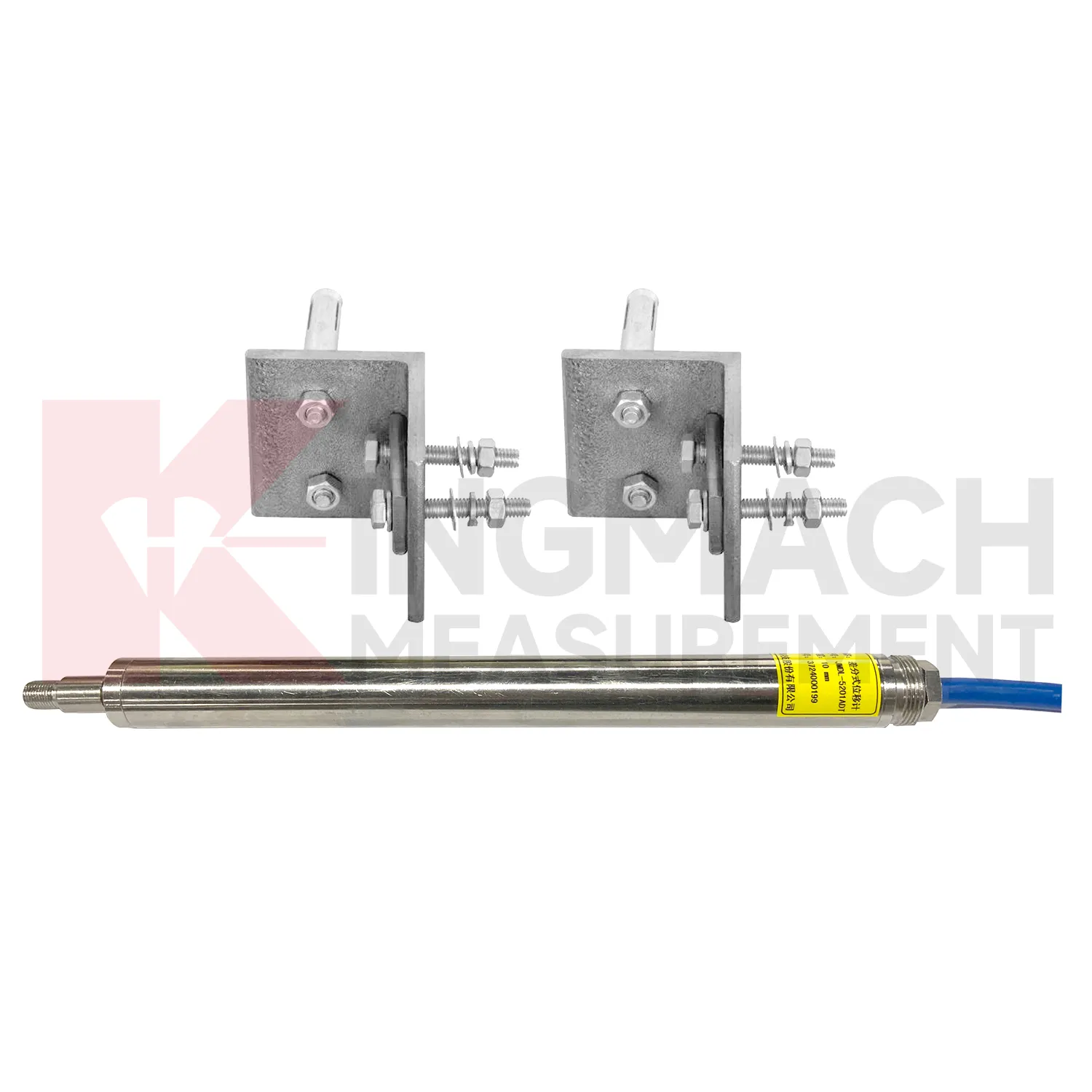
In building and high-formwork construction, lvdt displacement sensor are used less like long-term bridge instruments and more like real-time construction controls. During concrete pouring, steel pipe supports, scaffold frames, formwork platforms, and temporary load paths can move quickly while workers and pumps are still operating. Kingmach JMDL-49XXAT formwork displacement meters are built for this kind of site, with 50 mm, 100 mm, and 200 mm ranges, 0.01 mm sensitivity, 0.5%FS accuracy, IP68 protection, and a listed temperature range from -40 degrees Celsius to +100 degrees Celsius. Built-in memory can store time, temperature, displacement values, and other records. On a high-formwork job, the sensor position should be tied to the pouring sequence, support layout, concrete volume, and warning action. A sudden lateral movement of a steel pipe has a different meaning from slow settlement after loading. JMDL-22XXAT crack gauges may also be used after construction to follow building joint or crack width changes. The practical value is fast site feedback while the work can still be adjusted. Site teams should define who receives alarms during pouring, how readings are confirmed, and when work should pause for inspection. This makes the displacement point part of the construction control process, not just a record reviewed after the risk has passed.
The future of lvdt displacement sensor
Standardized reporting will become more important for future lvdt displacement sensor use. Different stakeholders read movement data in different ways: site managers need fast alerts, designers need deformation patterns, owners need risk status, and maintenance teams need repeatable inspection records. Kingmach smart displacement products already provide details such as absolute displacement, relative displacement, zero-point value, temperature, model number, calibration coefficient, and stored measurements on selected models. Future reports can turn those details into clearer tables and curves: baseline date, latest reading, daily change, cumulative movement, temperature at reading, warning level, sensor status, and recommended inspection action. This will help projects avoid long exports that hide the main risk. A clear displacement report should show not only how far a point moved, but whether that movement is new, accelerating, linked with other sensors, or still within the expected range. Report formats should also keep field photos and maintenance notes close to the curve, so reviewers can understand the physical point behind the data.
Care & Maintenance of lvdt displacement sensor
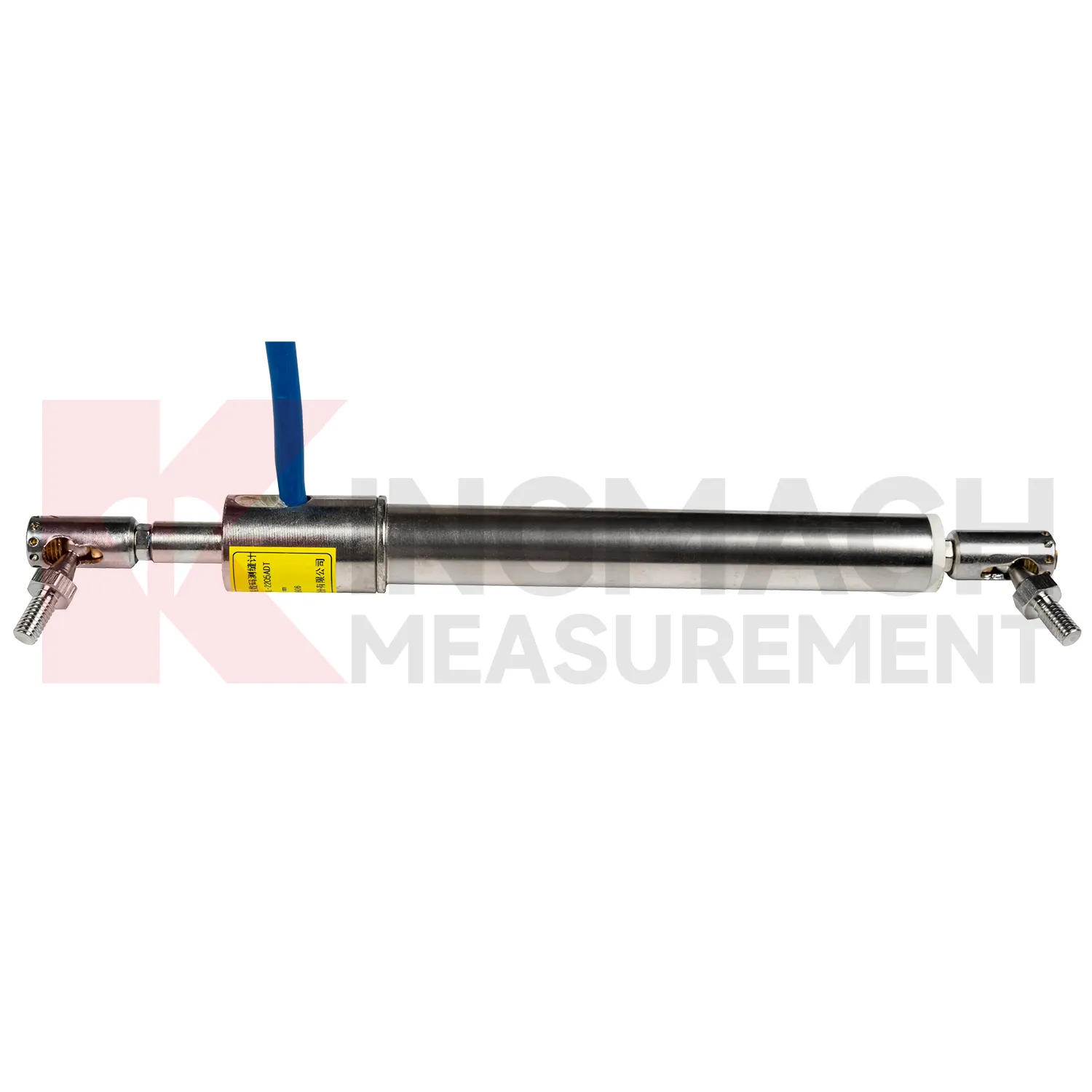
For lvdt displacement sensor installed at cracks, joints, and expansion joints, maintenance should focus on bracket stability, rod alignment, cable protection, and baseline traceability. Kingmach JMDL-22XXAT crack gauges may use different measuring rods and universal bases, so the mounting points must remain firm while the structure moves naturally. Avoid placing rods where they can be hit by workers, tools, vehicles, concrete debris, or repair materials. During inspections, check whether the crack edge has spalled, whether the base has loosened, whether water has entered the connector, and whether the displayed movement agrees with nearby observations. Because the product can store up to 600 measurement results, compare field readings with stored records before resetting values. If temperature versions are used, keep temperature data with displacement data so seasonal opening and structural movement are not confused. Keep the installation photo, point number, zero value, and expected movement direction with the commissioning record for later review. If a reading changes after maintenance work, inspect the base, anchor, cable, and cabinet before assuming the structure itself has moved.
Kingmach lvdt displacement sensor
lvdt displacement sensor give field teams a direct way to watch components that are hard to judge by sight. A formwork pipe may shift during pouring, a rock layer may slide behind the excavation face, a geogrid may deform inside reinforced soil, and a dam joint may open after water level change. Kingmach's product range includes non-contact designs where the measuring rod and coil work independently, reducing mechanical wear and installation damage. The JMDL-24XXAT flexible displacement meter uses a bendable measuring rod for geogrid monitoring, with 30 mm and 50 mm ranges, 0.01 mm sensitivity, and 0.5%FS accuracy. The JMDL-49XXAT formwork meter offers 50 mm, 100 mm, and 200 mm ranges, IP68 protection, and temperature measurement accuracy of plus or minus 0.5 degrees Celsius. These details are useful when displacement monitoring must continue through wet, crowded, and fast-moving construction stages. The point should be named on the drawing, linked with its cable route, and checked against the expected movement direction before the first automatic reading is accepted. For daily review, the reading should be compared with nearby points, recent weather, site operations, and any loading event that could explain the movement.
FAQ
Q: Which lvdt displacement sensor are used for rock layers or bedrock?
A: JMDL-31XXAT multipoint meters are used for different surrounding rock layers, while JMDL-32XXAT single-point bedrock meters are used for tunnel rock mass, dam bedrock, slope, or foundation pit movement.
Q: How many points can the multipoint meter support?
A: The multipoint installation kit supports three to five monitoring points, with anchor heads fixed at different depths by drilling and grouting.
Q: What ranges are listed for these models?
A: Both JMDL-31XXAT and JMDL-32XXAT list 50 mm, 100 mm, and 200 mm models with 0.01 mm resolution.
Q: Why monitor several depths?
A: Different layers may move differently. Separating shallow and deep movement helps engineers judge whether the problem is surface creep, deeper rock slip, or overall mass movement.
Q: What records should be kept?
A: Keep drilling depth, anchor location, grouting date, channel name, zero value, cable route, and first stable reading.
Reviews
Christopher Martinez
Very satisfied with the readouts & data loggers. User-friendly interface and supports multiple sensor inputs.
Joshua Clark
We ordered a full monitoring solution including sensors and data loggers. Everything works seamlessly together. Great supplier!
Latest Inquiries
To protect the privacy of our buyers, only public service email domains like Gmail, Yahoo, and MSN will be displayed. Additionally, only a limited portion of the inquiry content will be shown.
Evelyn***@gmail.comSouth Africa
Hi, we are a contractor working on tunnel construction and need settlement sensors and displacement ...
Ava***@gmail.comAustralia
Hi, I am looking for reliable tiltmeters and accelerometers for structural health monitoring. Please...