
 EN
EN
 ar
ar bg
bg hr
hr cs
cs da
da nl
nl fi
fi fr
fr de
de el
el hi
hi it
it ko
ko no
no pl
pl pt
pt ro
ro ru
ru es
es sv
sv tl
tl iw
iw id
id lv
lv lt
lt sr
sr sk
sk sl
sl uk
uk vi
vi et
et hu
hu th
th tr
tr fa
fa ms
ms hy
hy ka
ka ur
ur bn
bn mn
mn ta
ta kk
kk uz
uz ku
ku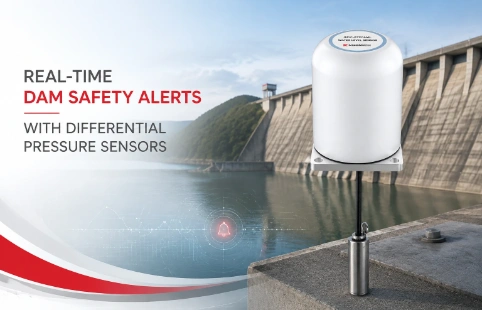
Real-Time Dam Safety Alerts with Differential Pressure Water Level Sensors
Key Takeaways An alert chain needs more than a sensor: define field in...

Portable Data Acquisition Module for Site Monitoring
Moving between boreholes and inclinometer casings all day means one thing: you don’t want to be weighed down by extra gear. A portable data acquisition module that slips into a backpack and talks to whatever sensor you’ve got on-site can make the difference between getting reliable readings and a long afternoon of troubleshooting. Kingmach designs these modules specifically for geotechnical and structural monitoring work. They’re built to handle the mix of vibrating wire, MEMS, and analog outputs you’re likely to find, and they store data locally so you don’t need a laptop tethered to every measurement point. Field crews have told us they appreciate the straightforward button layout—start, stop, mark—no hunting through menus. The modules are also compatible with our full range of sensors, but we’ve kept the connector pinouts open enough to work with third-party instruments if needed. That flexibility saves time when you’re integrating legacy monitoring arrays. Over the years, we’ve seen these units used in dam safety checks, tunnel convergence monitoring, and even temporary works where quick setup matters more than long-term durability. The key is that the module doesn’t assume a pristine office environment; it’s sealed against dust and splash, and the battery lasts a full shift without recharging.
Technical Detail
The Kingmach portable data acquisition module is designed around the needs of geotechnical and structural monitoring engineers. Rather than a generic logger, it’s purpose-built to interface with common sensors used in civil engineering: vibrating wire piezometers, strain gauges, MEMS tilt sensors, and potentiometric displacement transducers. The module accommodates up to eight sensor inputs in its standard configuration, with options to add wireless or RS-485 modules for distributed logging. Sampling intervals can be set from sub-second bursts to hourly logs, and the internal SD card storage holds months of data even at higher rates. Engineers appreciate the signal conditioning built into each channel—it handles excitation voltages and filtering so that raw sensor signals become engineering units right on the device. Compatibility extends beyond Kingmach’s own sensor lines. The module’s open terminal blocks and configurable firmware allow users to define custom sensor libraries, which is particularly useful for sites that mix equipment from different vendors. In terms of field readiness, the enclosure is IP65-rated, and the operating temperature range spans -20°C to 60°C, so it survives both freezing nights and direct sunlight. A removable lithium-ion battery runs the module for over 24 hours of continuous logging, and the package weighs just 1.2 kg, making it genuinely portable. Data transfer is handled via USB or Wi-Fi, so you can pull files straight onto a tablet or laptop for immediate review. Kingmach backs the module with technical support teams that can advise on wiring diagrams, firmware updates, and sensor calibration. For projects that require custom excitation protocols or data output formats, our engineering group typically delivers tailored firmware within a few weeks. Distributors in Asia, Europe, and North America keep the module in stock for quick delivery.
News
Key Takeaways An alert chain needs more than a sensor: define field in...
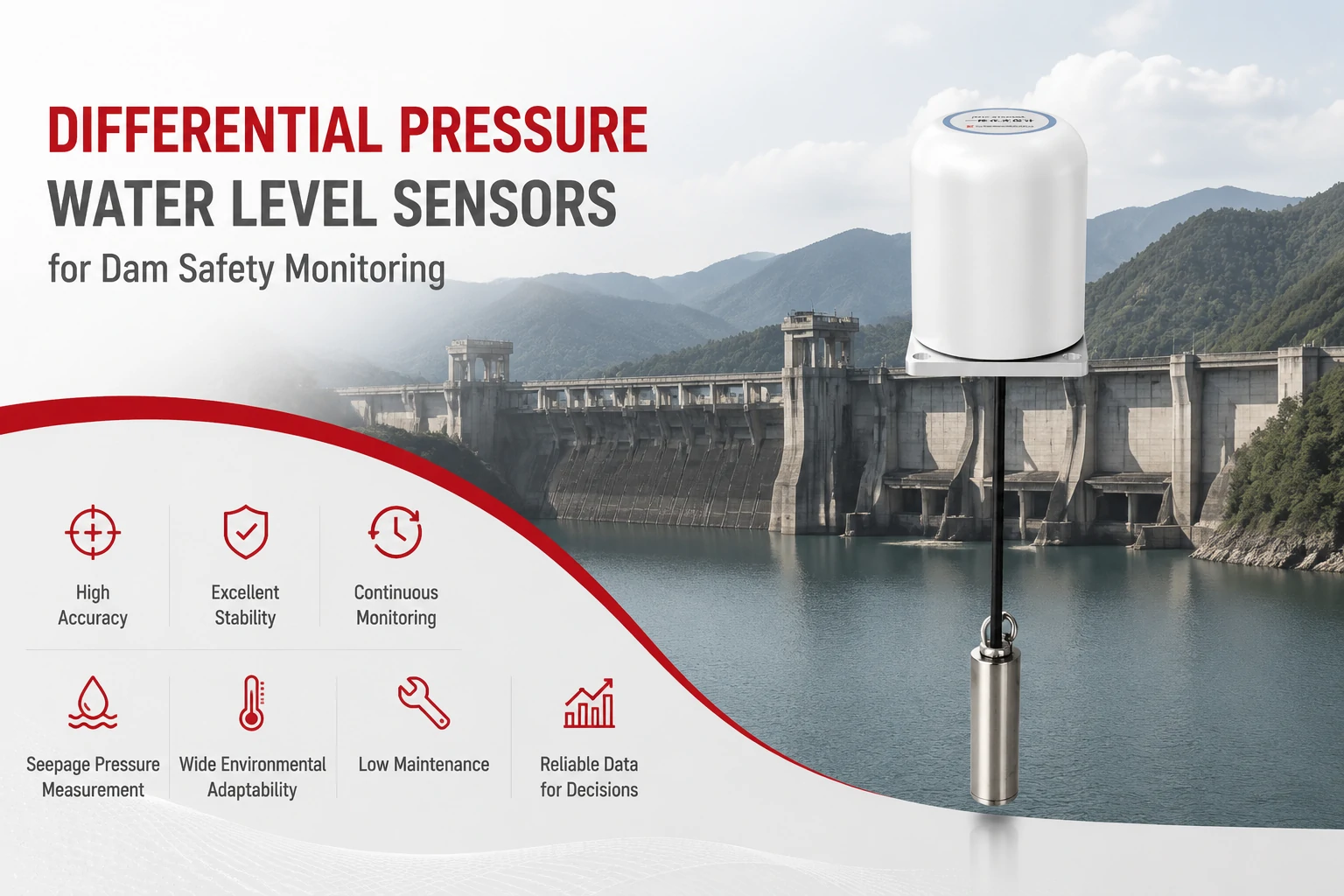
Key Takeaways The strongest fit is usually a confined, submerged, or s...
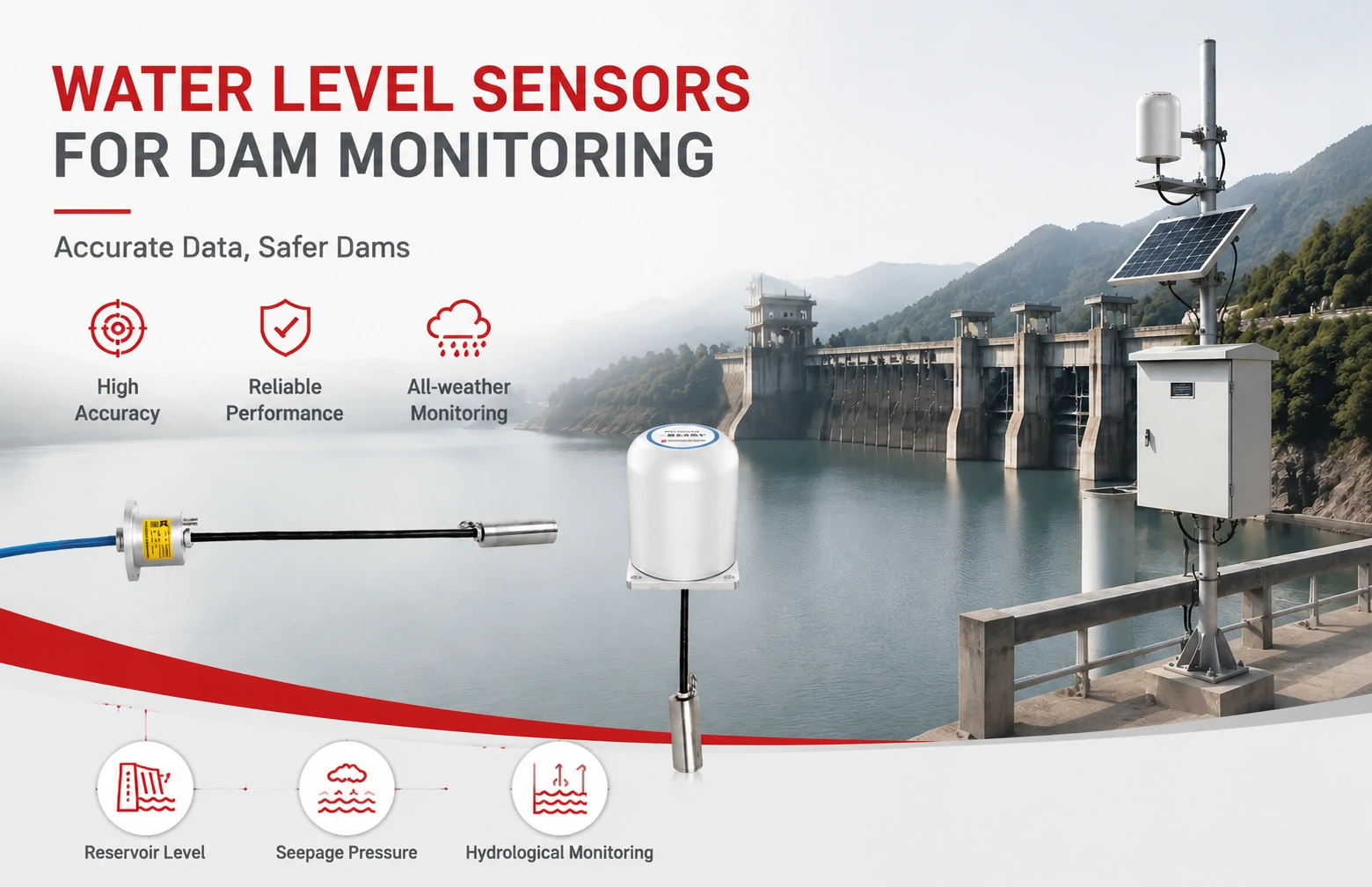
Kingmach Water Level Sensors for Dam Monitoring: A Buyer's Guide to Differential Pre...
Products
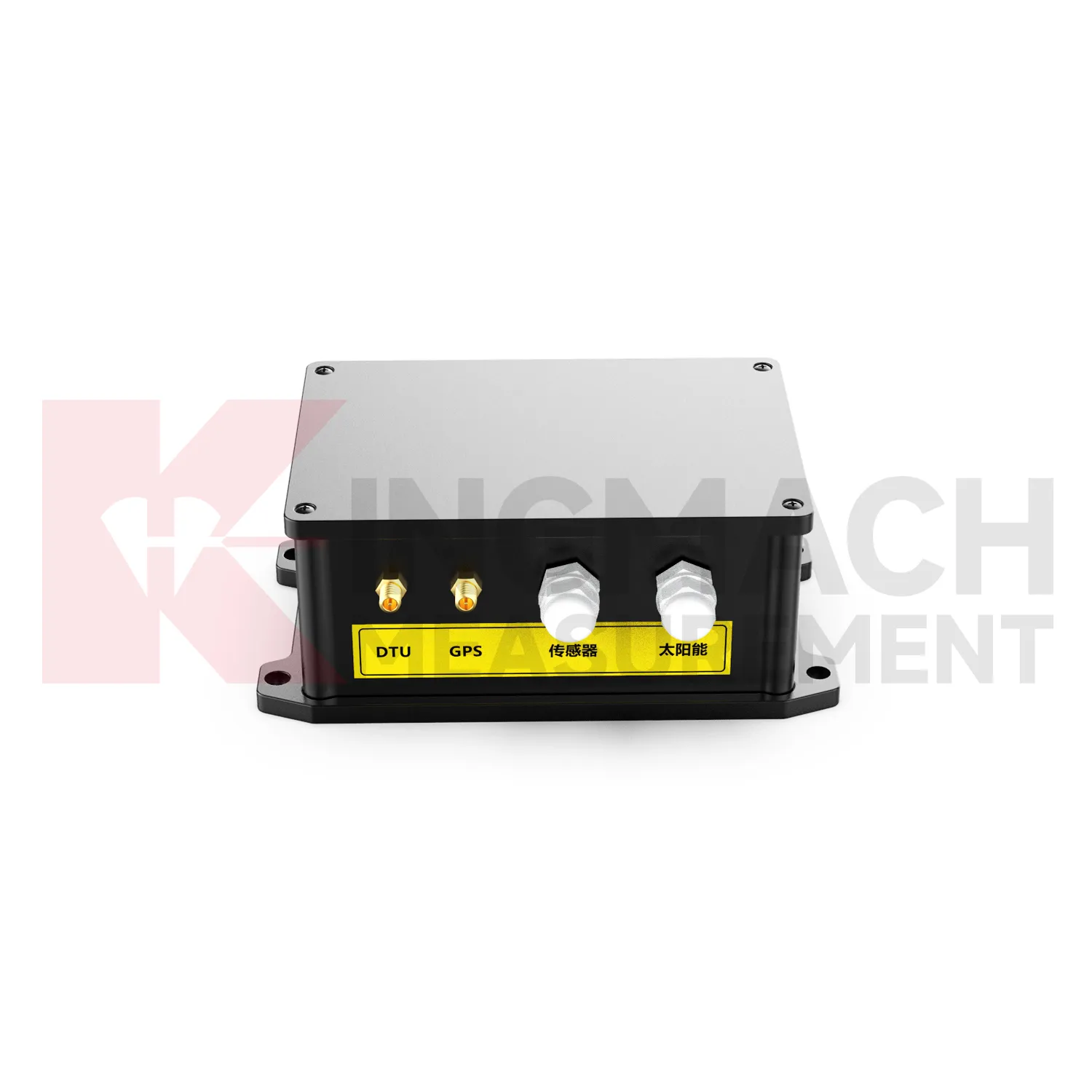
Wireless Data Logger (low power consumption design) JMWX-5RTU
View Details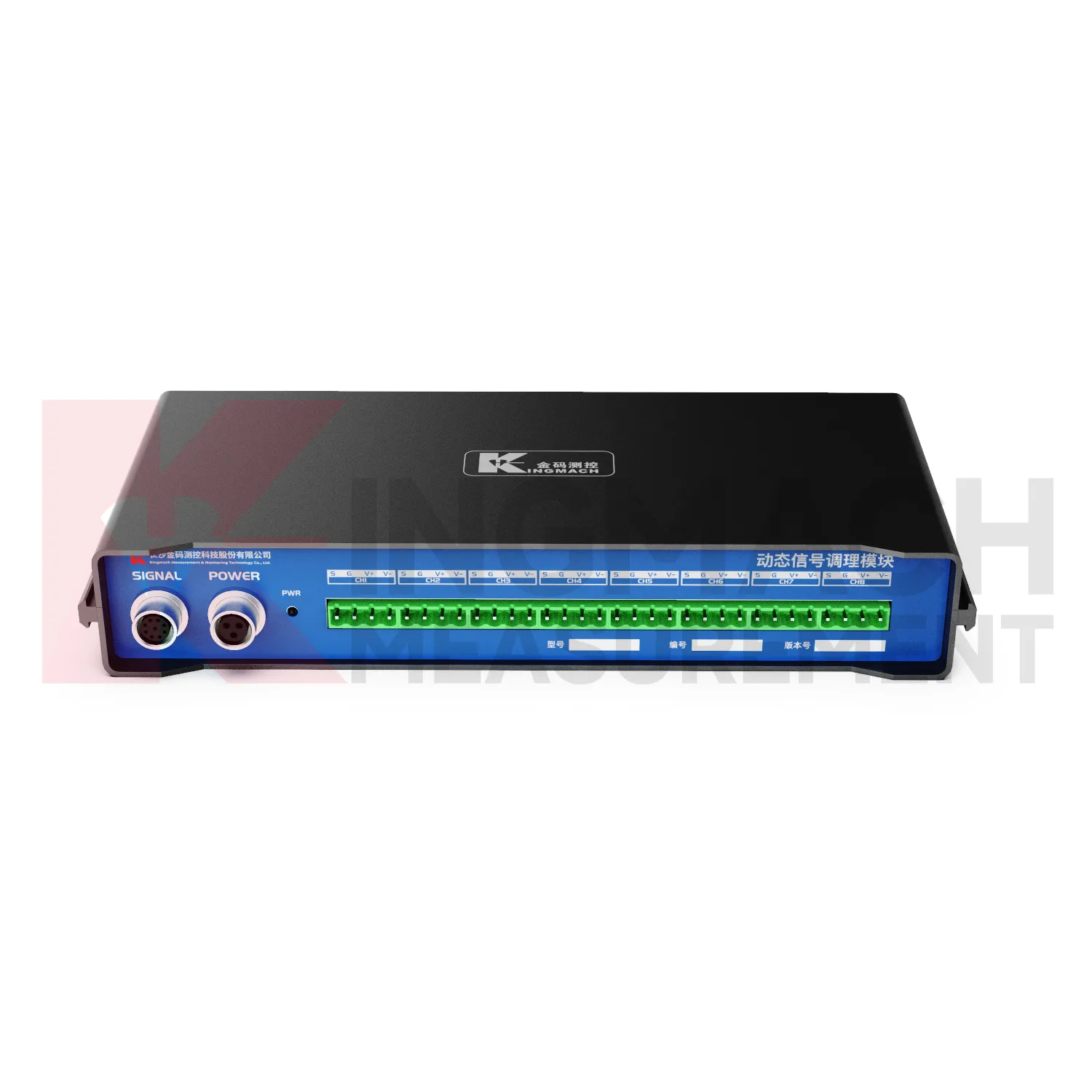
Dynamic signal conditioning moduleJMYD-2008XTA
View Details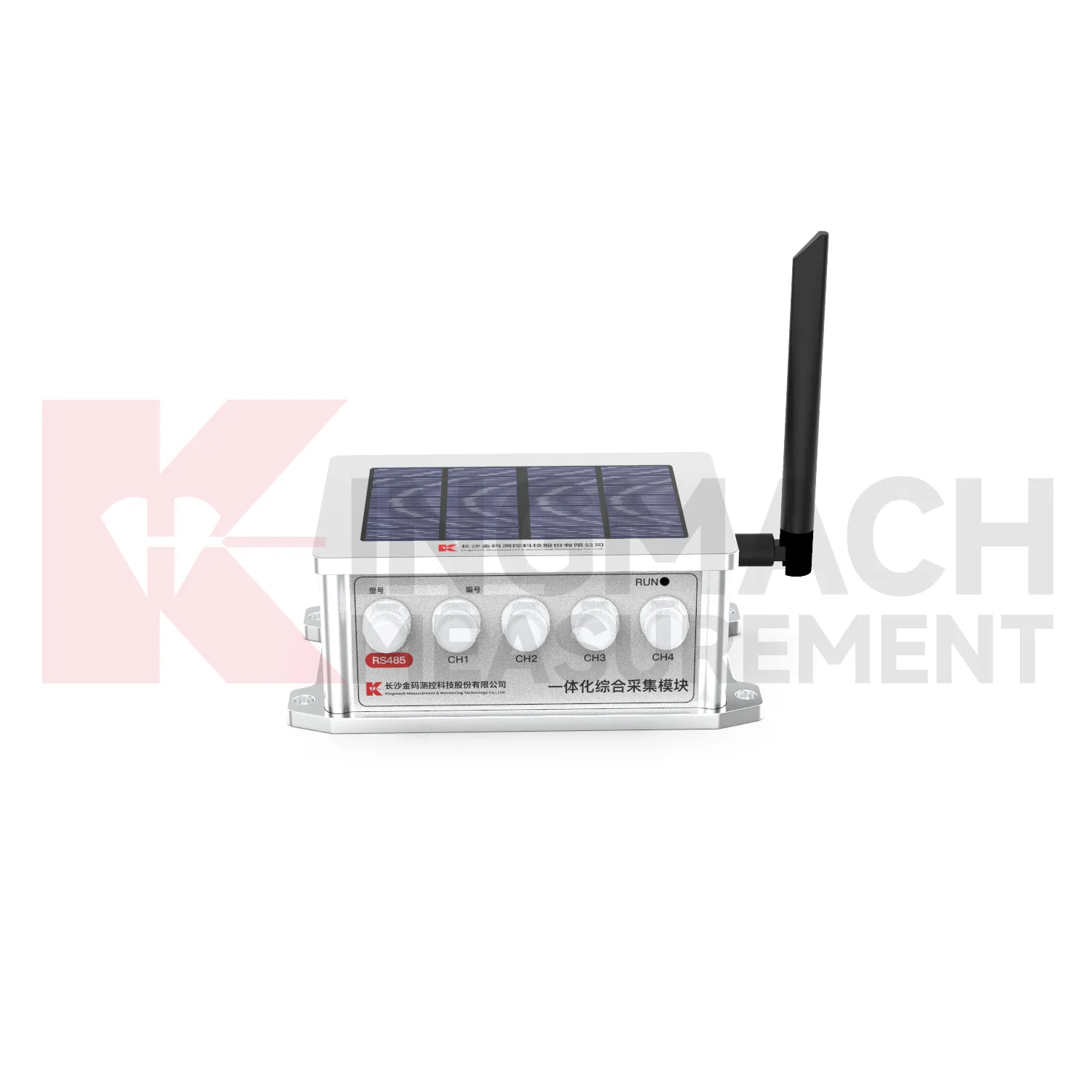
Integrated Comprehensive Acquisition Module JMZX-4/8GH-RTU
View DetailsFAQ
Yes. The module uses open terminal blocks and you can configure custom sensor coefficients through the firmware. Kingmach provides a library for common sensors, but many users add their own definitions for special transducers. Our technical support team can help you map the wiring and calibration factors.
The standard lithium-ion battery runs for over 24 hours of continuous logging. It’s removable, so you can carry spares for long field days. A full recharge takes about 3 hours via a standard USB-C charger.
Data is stored as CSV or binary files on the internal SD card. You can retrieve them through a USB connection or Wi-Fi. For live monitoring, the module streams values over a local network, and we offer a simple desktop tool to convert files to your preferred engineering format.
It’s designed mainly for portable readings and surveys, but the same hardware can be left for semi-permanent installations with a solar panel and weatherproof enclosure. The low-power sleep modes allow it to run on a small battery for weeks if you set hourly sampling intervals.
The module natively supports vibrating wire sensors, MEMS inclinometers, thermistors, and 4-20 mA or voltage-output gauges. If you use a less common sensor, we can often build a custom excitation script within a few days so the module can read it directly.
Share your product type, target capacity, and application requirements. Our team can review the details and recommend a practical next step.
If you are interested in our products or want to become our partner.
Please leave your contact information, our team will contact you as soon as possible.
Mail: [email protected]
Contact Us: +8613808434127
Address: No. 188 Tongzipo West Rd, Changsha, Hunan, China