
 EN
EN
 ar
ar bg
bg hr
hr cs
cs da
da nl
nl fi
fi fr
fr de
de el
el hi
hi it
it ko
ko no
no pl
pl pt
pt ro
ro ru
ru es
es sv
sv tl
tl iw
iw id
id lv
lv lt
lt sr
sr sk
sk sl
sl uk
uk vi
vi et
et hu
hu th
th tr
tr fa
fa ms
ms hy
hy ka
ka ur
ur bn
bn mn
mn ta
ta kk
kk uz
uz ku
ku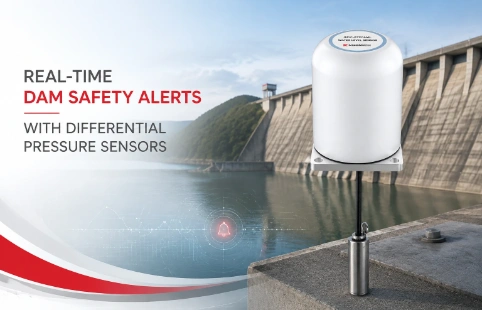
Real-Time Dam Safety Alerts with Differential Pressure Water Level Sensors
Key Takeaways An alert chain needs more than a sensor: define field in...

What You Pay vs. What You Get: Hydrostatic Level Sensor Prices
When you start pricing hydrostatic level sensors, the numbers can swing from surprisingly low to eye-wateringly high. A quick online search will show you sensors at $100 and others at $2,000, often with little explanation of the gap. At Kingmach, we focus on the mid-range—where the price matches the engineering that goes into making a sensor you can actually rely on in a monitoring well or at the bottom of a dam reservoir. We’ve been manufacturing geotechnical instruments for long enough to know that the purchase price is just the first line of a much longer calculation. This page avoids flashy promises and walks you through what drives hydrostatic level sensor costs and what a realistic budget looks like if you plan on getting years of stable data.
Technical Detail
Hydrostatic level sensors work on a simple principle: a pressure element measures the water column above it, and you get a level reading. But the price differences come from how that principle is built into metal, cable, and electronics. Kingmach sensors sit in that middle ground where the titanium diaphragm won’t corrode in slightly aggressive water, the vented cable actually compensates for atmospheric pressure swings, and the surge protection is built in rather than offered as an add-on. Our range spans from basic submersible sensors for clean groundwater to more robust models with lightning protection for remote dam sites. Customers often ask why they can’t just use a cheap generic sensor. You can—until the first time it drifts and you’re paying for a technician to revisit a borehole 200 kilometres away. That trip alone costs more than the sensor. We’ve seen this pattern often enough in our global distribution network that we stopped selling the bottom-of-the-barrel option. What you get from Kingmach is a sensor that holds a 0.1% FS accuracy over temperature cycles, with a cable that won’t crack after two winters. Pricing varies by range, accuracy class, and cable length, but a typical mid-range sensor with 50 metres of vented cable and a welded titanium nose cap falls into a bracket where the additional cost over a no-name sensor is recovered within the first year of maintenance avoidance. We also offer customization for specific project requirements: non-standard pressure ranges, alternative cable materials for chemical exposure, or integration with our dataloggers. Talk to our technical support team before you commit to a spec that might be overkill. A narrower ±0.25% FS sensor often does the job perfectly well for level monitoring behind a retaining wall, and costs noticeably less than the ±0.1% version you’d put in a reservoir that feeds a town. The value isn’t in a headline price; it’s in matching the instrument to the consequence of drift or failure. That’s where we can help you get the ROI right.
News
Key Takeaways An alert chain needs more than a sensor: define field in...
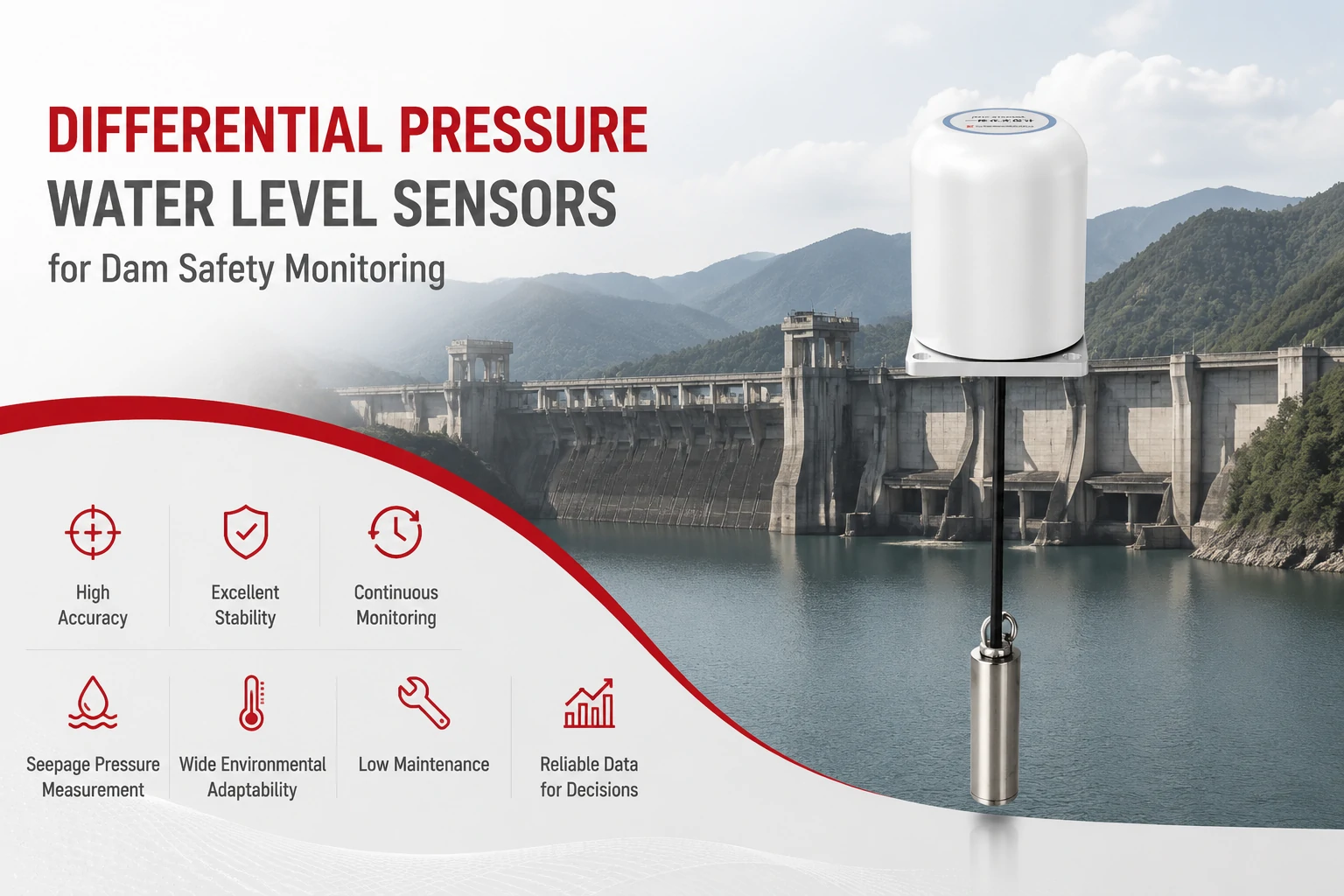
Key Takeaways The strongest fit is usually a confined, submerged, or s...
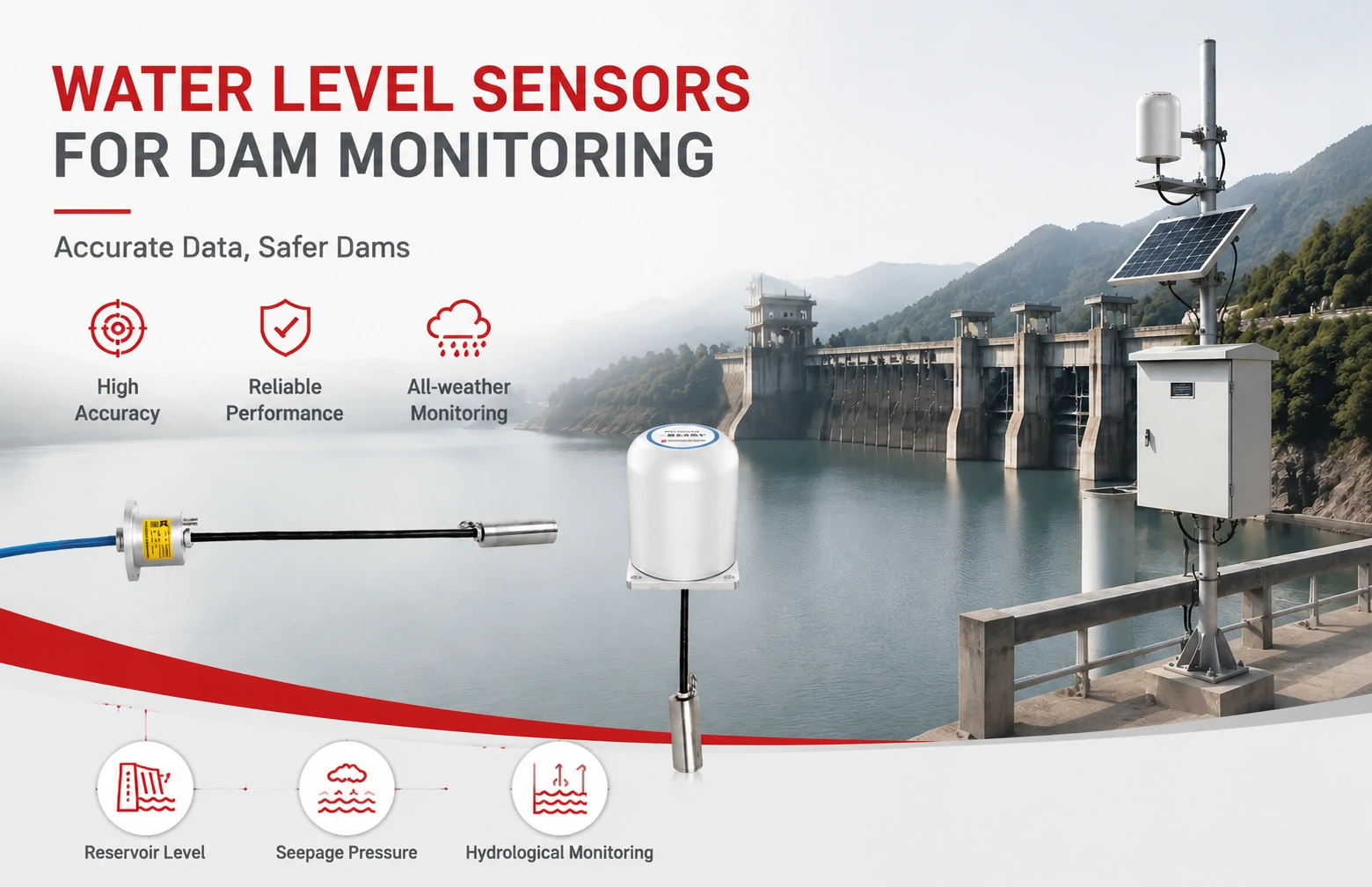
Kingmach Water Level Sensors for Dam Monitoring: A Buyer's Guide to Differential Pre...
Products
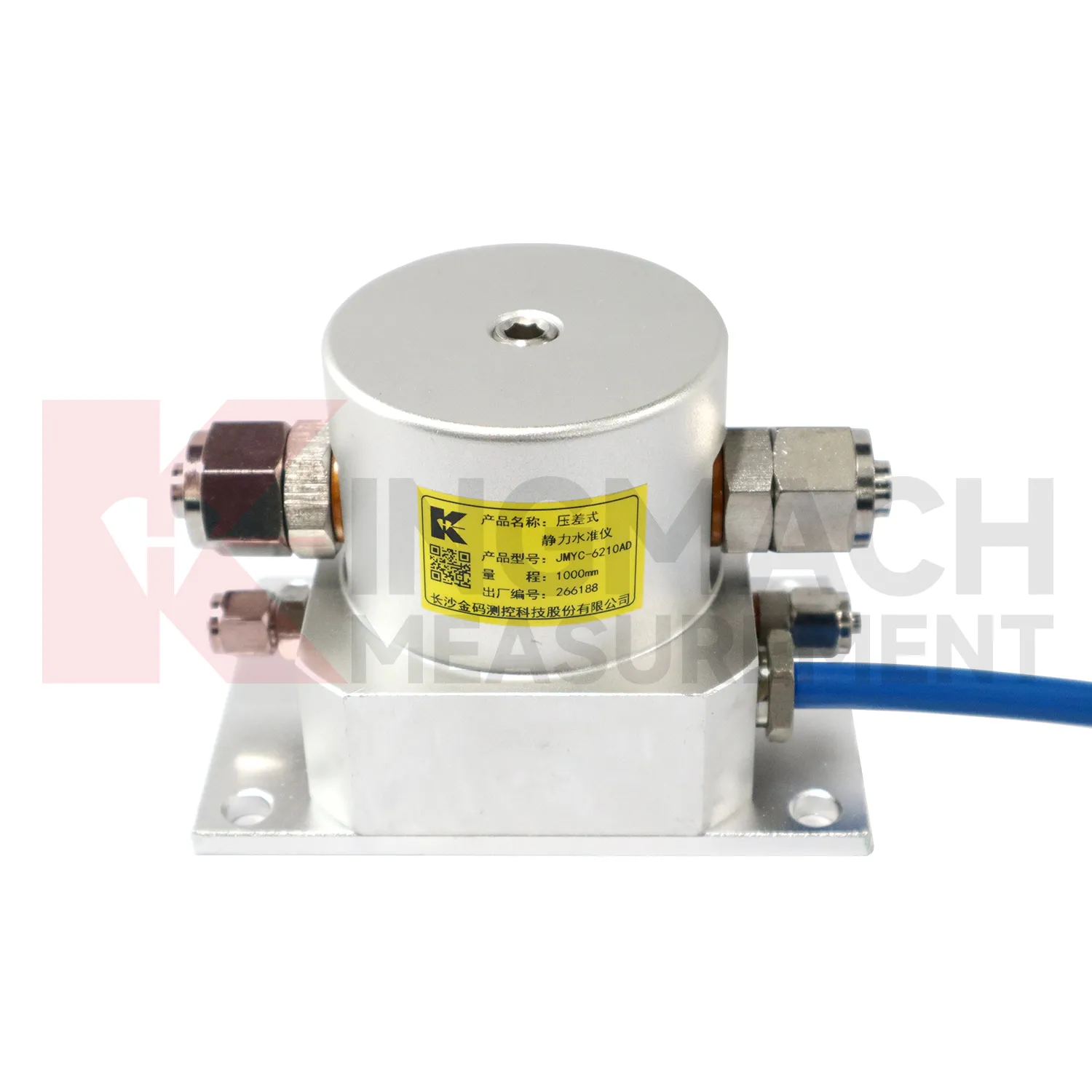
Wide-Range Differential Pressure Hydrostatic Level Sensor JMYC-62XXAD
View Details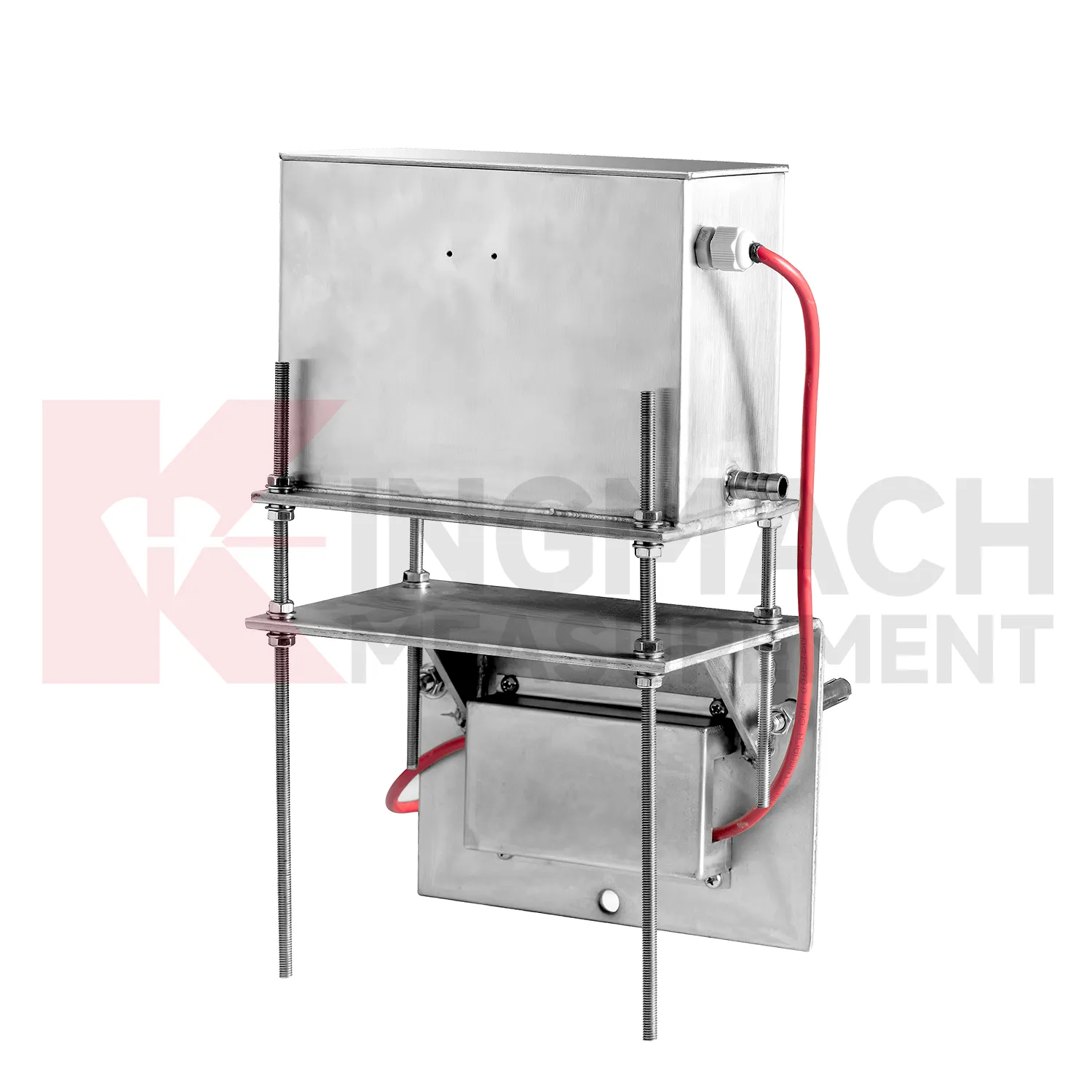
Micro Range Hydrostatic Level Sensor JMQJ-62XXADT
View Details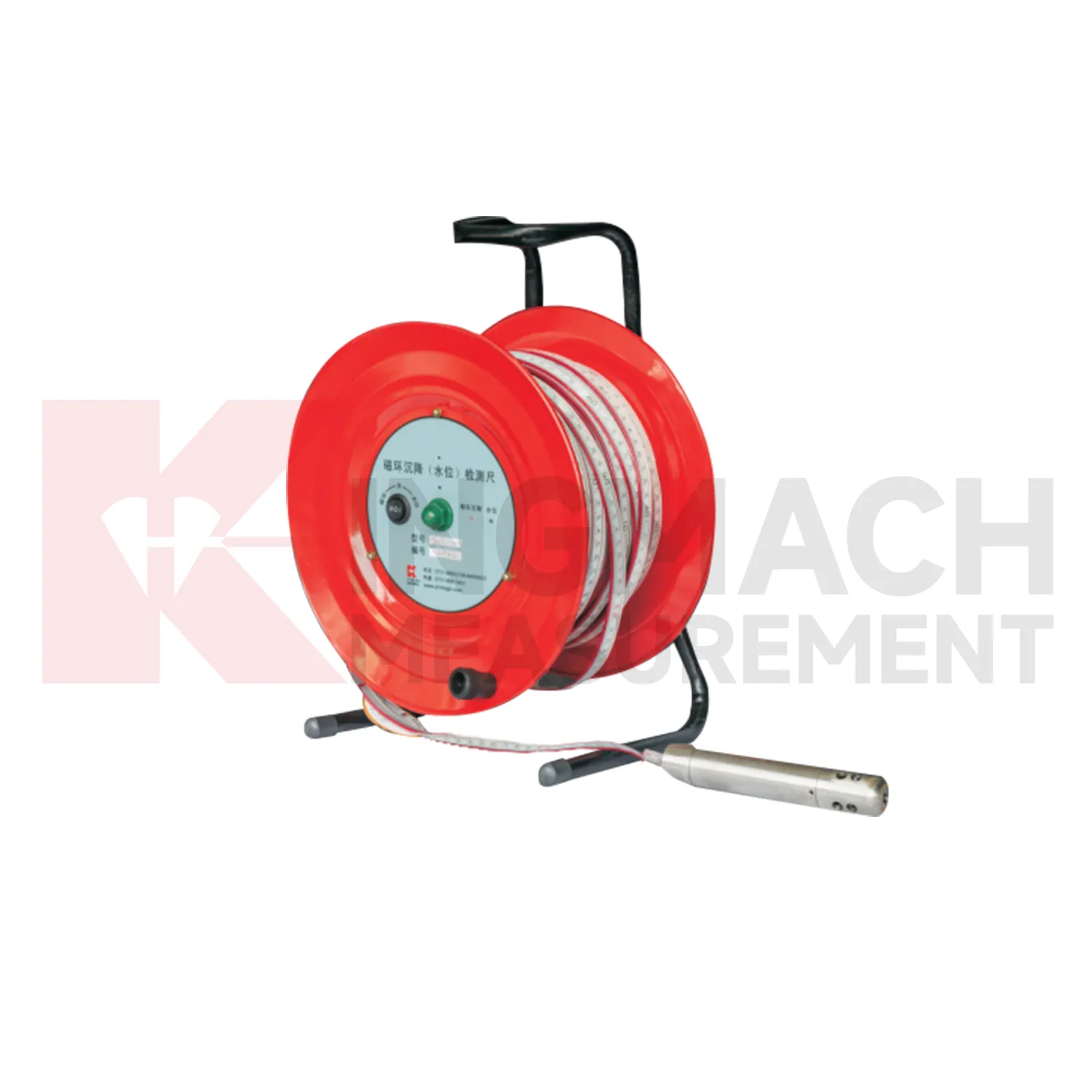
Magnetic Ring Settlement Water Level Gauge JMCJ-1003、1005
View DetailsFAQ
The main cost drivers are the pressure sensing element (ceramic vs. silicon vs. titanium diaphragm), the cable quality (vented vs. non-vented, jacket material), and built-in protection against moisture, lightning, and EMC. A low-cost sensor might use a thinner housing, no vent tube desiccant pack, and minimal calibration. That works in a clean water tank but fails quickly in field conditions. The mid-range sensors like ours use welded titanium noses, double-sealed cables, and temperature-compensated electronics. The price reflects the engineering that keeps the sensor alive in real-world installations.
We don’t publish a fixed price list because almost every order involves some configuration—cable length, output signal, accuracy class. As a rough guide, our standard hydrostatic level sensors with vented cable and 4-20 mA output start around a few hundred USD for shorter cables and moderate accuracy. Longer cables, higher accuracy (0.1% FS), or stainless steel/Teflon cable jackets push the cost toward the upper mid-range. The best way is to contact our sales team with your range, cable length, and liquid type. They’ll give you a quote that includes the exact technical spec, not just a price.
If you’ve ever had to pull a $100 sensor from a 30-metre well only to find water inside the cable, the difference becomes obvious. We’ve deliberately avoided the race to the bottom. Kingmach sensors are built for geotechnical and environmental monitoring, where the cost of a failed sensor isn’t just the replacement—it’s the data gap, the site visit, and the report that now has an asterisk. The mid-range pricing covers robust cable sealing, repeated thermal cycling compensation, and factory calibration that comes with a traceable certificate. It’s not about the label; it’s about the survival rate of the sensor after a season of groundwater fluctuations.
Yes. That’s one advantage of working with a manufacturer rather than a catalog reseller. If your application only needs 0.25% accuracy and the water is clean, we can quote a sensor without the aggressive-chemical-resistant nose cone or the lightning protection. Even cable length is a major cost variable—don’t order 100 metres if you only need 40. We also offer non-vented absolute pressure sensors for short-term deployments where barometric compensation isn’t critical, which lowers the price. We regularly help customers strip a spec down to the essentials so they’re not paying for features that don’t matter in their particular borehole or tank.
Share your product type, target capacity, and application requirements. Our team can review the details and recommend a practical next step.
If you are interested in our products or want to become our partner.
Please leave your contact information, our team will contact you as soon as possible.
Mail: [email protected]
Contact Us: +8613808434127
Address: No. 188 Tongzipo West Rd, Changsha, Hunan, China