
 EN
 ar
 bg
 hr
 cs
 da
 nl
 fi
 fr
 de
 el
 hi
 it
 ko
 no
 pl
 pt
 ro
 ru
 es
 sv
 tl
 iw
 id
 lv
 lt
 sr
 sk
 sl
 uk
 vi
 et
 hu
 th
 tr
 fa
 ms
 hy
 ka
 ur
 bn
 mn
 ta
 kk
 uz
 ku

Groundwater modeling software
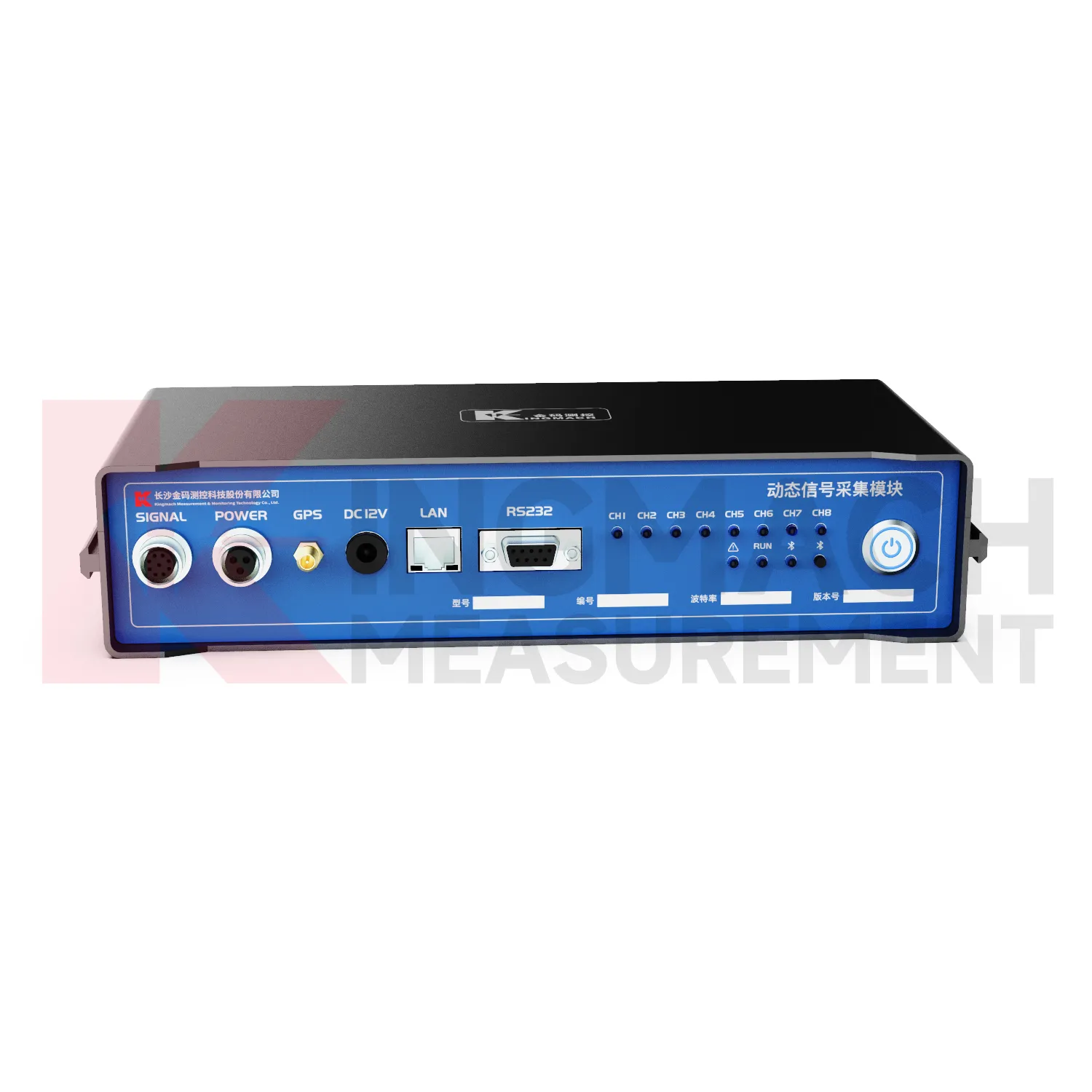
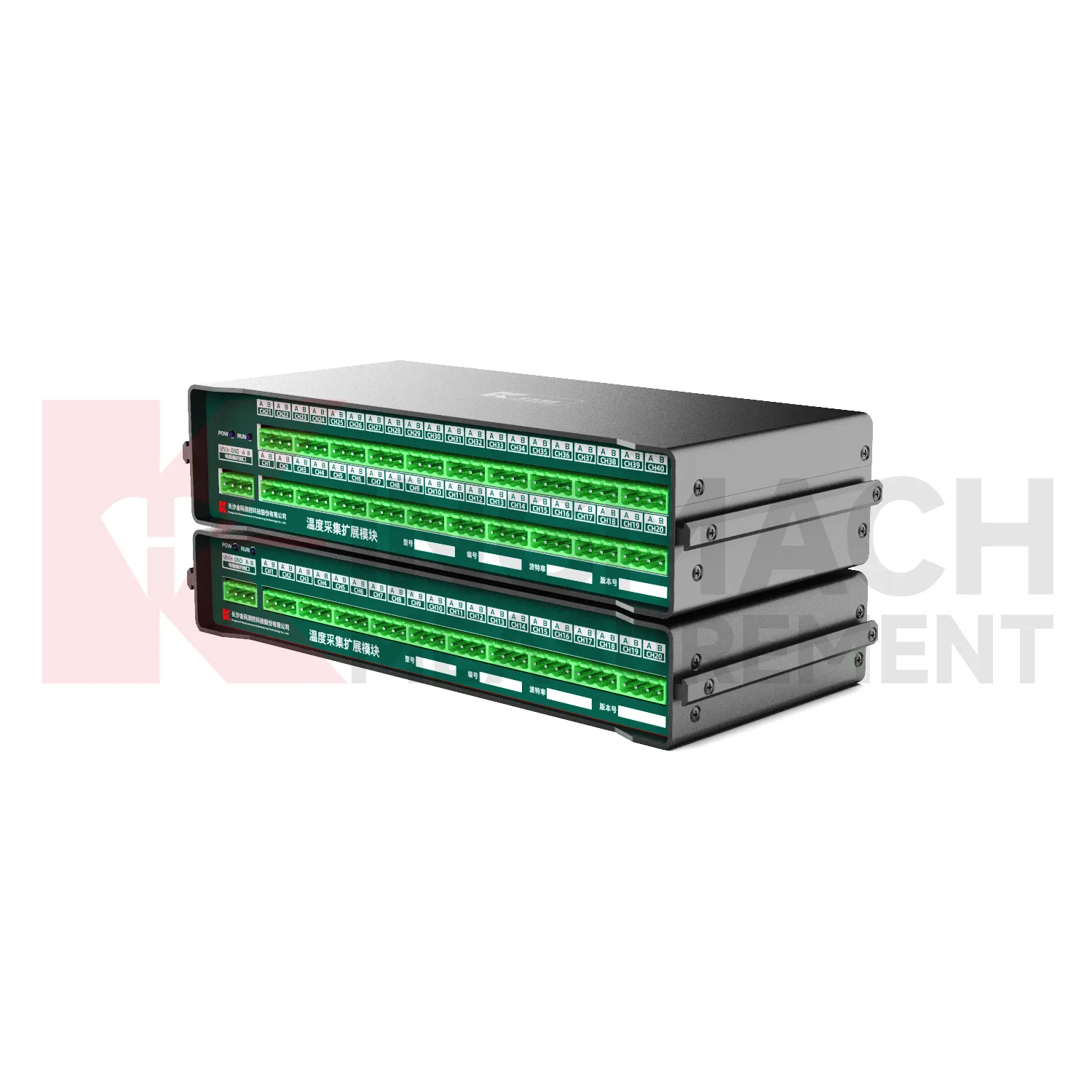
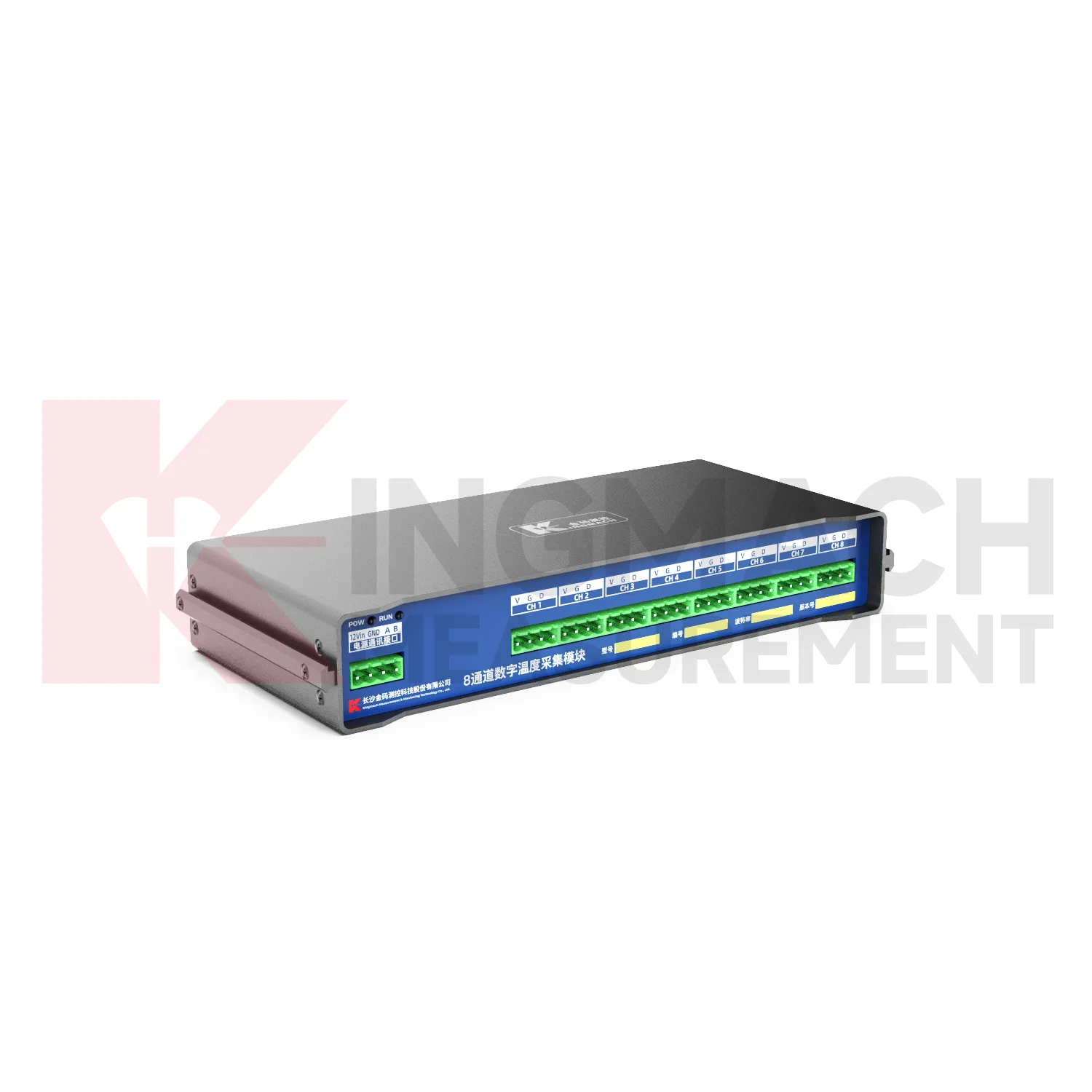
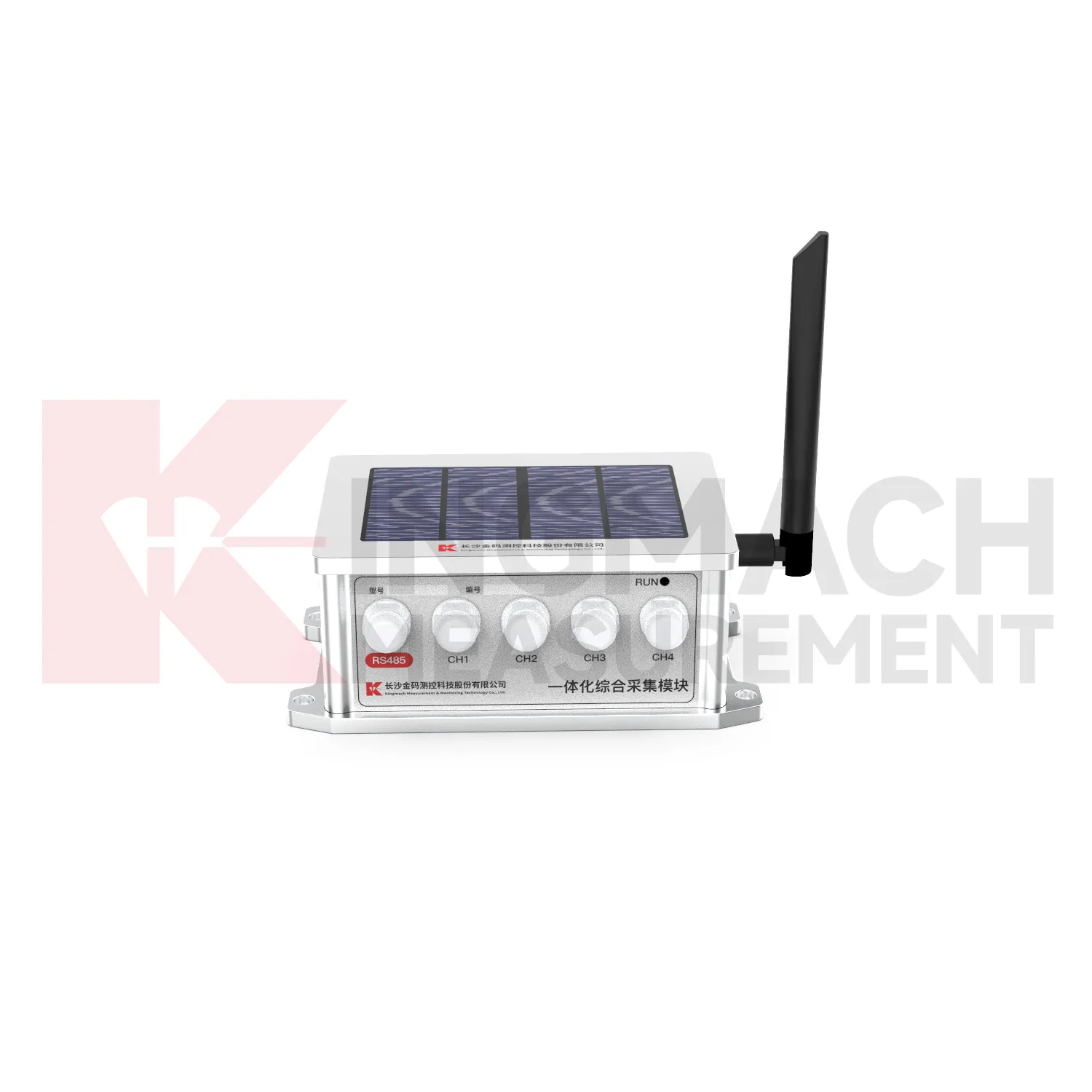
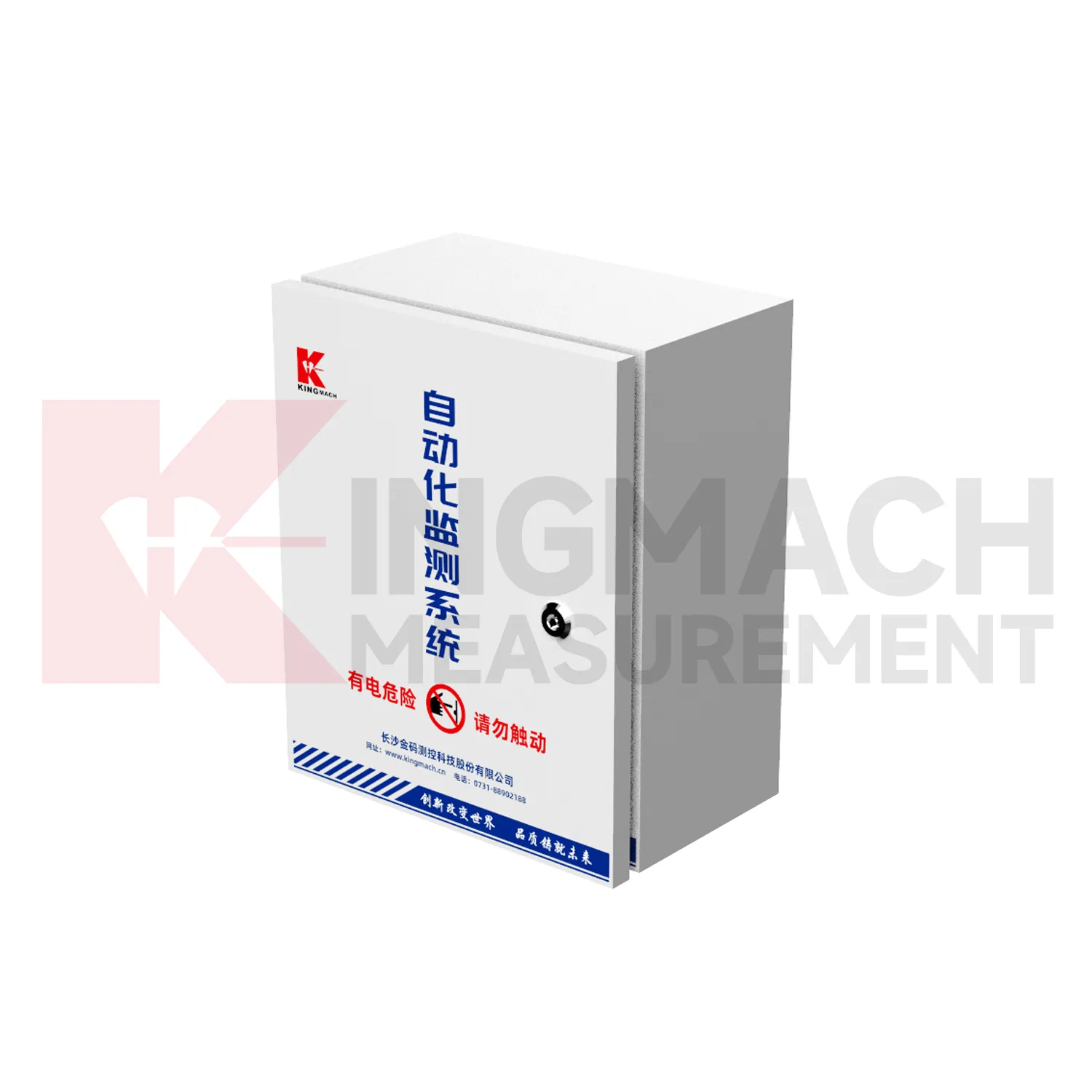
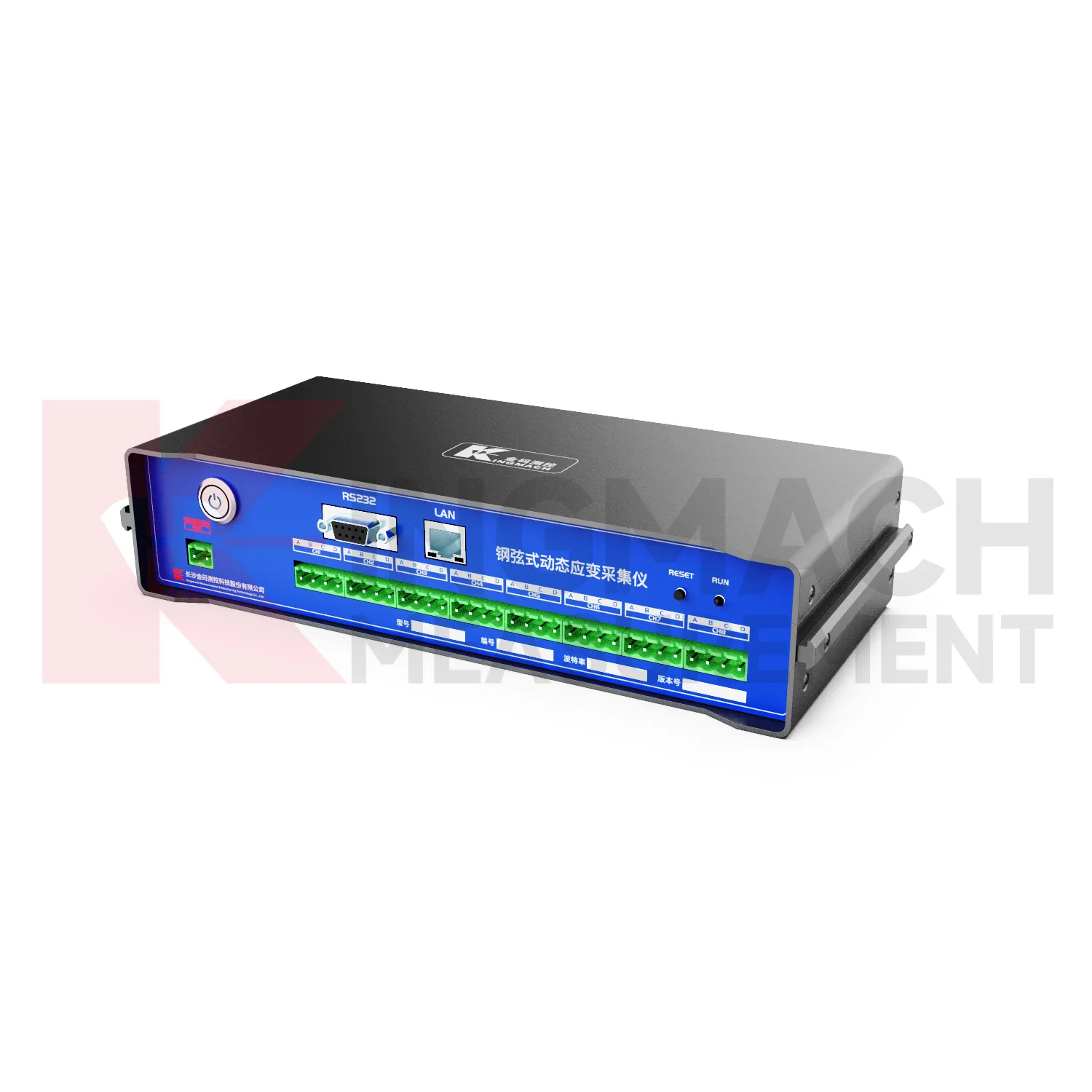
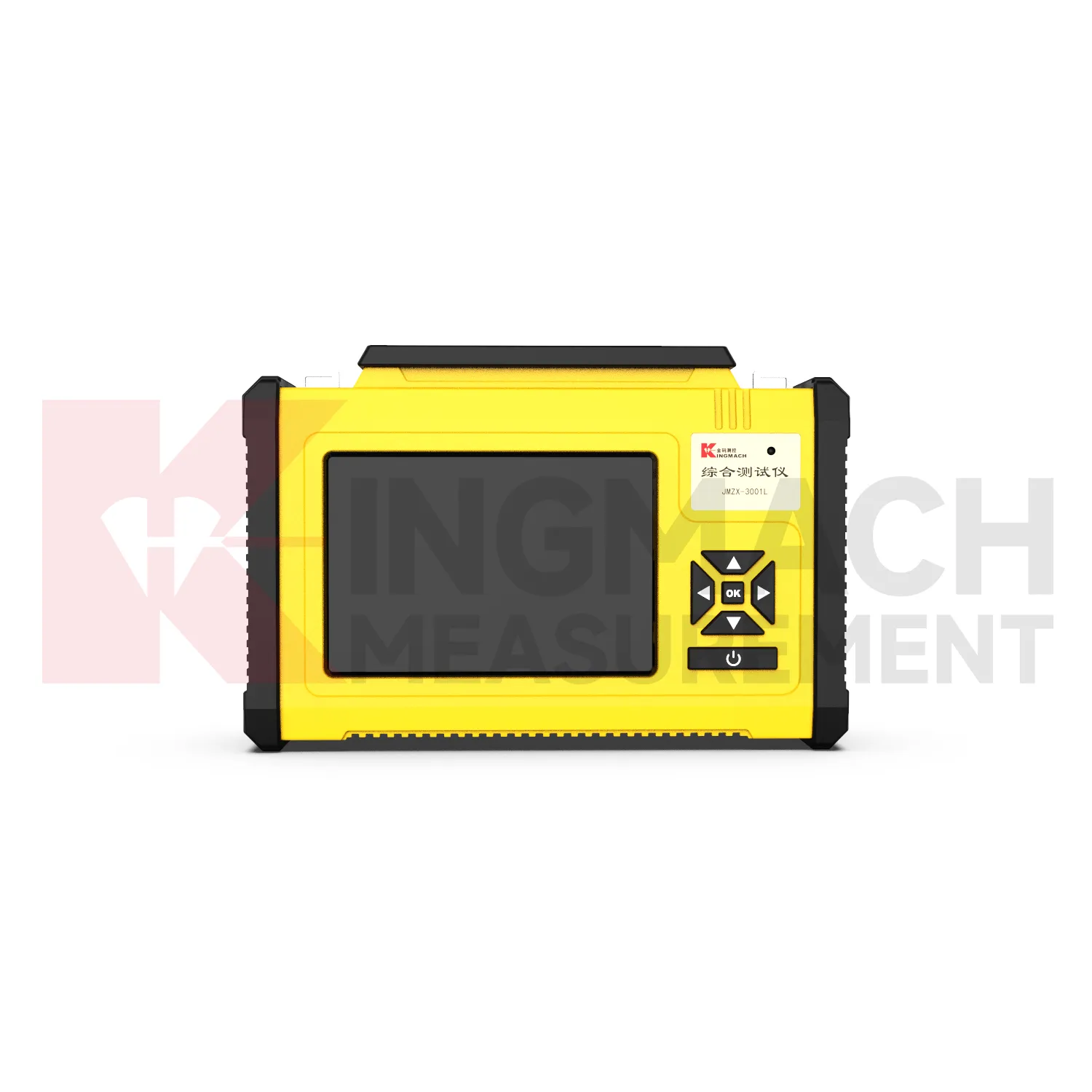
Kingmach Groundwater modeling software bring together measurement, storage, and communication functions for field monitoring. The category includes low-power wireless acquisition for remote digital sensors, synchronized dynamic strain logging, and portable readouts for on-site checks. Each device type serves a different part of the monitoring workflow. Low-power loggers reduce manual visits at remote stations. Dynamic loggers capture event behavior with synchronized channels. Portable readouts help field staff confirm sensor condition before the site is closed or the inspection route moves on. Buyers should connect these capabilities with project realities such as access restrictions, weather exposure, power availability, communication reliability, and the expected review frequency. A slope station with limited access, a tunnel with night work, and a bridge deck with traffic restrictions place different demands on the same acquisition category. The device should fit the way people actually reach the point, protect cables, power the station, and move data into review. This practical view helps teams select a readout or logger that supports field use, not only laboratory capability. In remote work, the maintenance route, enclosure position, antenna condition, and expected upload schedule can be just as important as the measurement circuit. In short-term testing, the device must also be easy to move, check, and export before the crew leaves the site.
Application of Groundwater modeling software
Bridge monitoring uses Kingmach Groundwater modeling software to connect strain, displacement, tilt, cable force, vibration, temperature, and environmental records into a usable acquisition workflow. During construction, portable readouts can help field crews verify sensor installation before concrete placement, load testing, or traffic opening. During operation, data loggers can collect scheduled readings or dynamic events for comparison with traffic, wind, temperature, and maintenance activity. The acquisition device should preserve point names and time stamps so bridge engineers can compare records across spans, piers, cables, bearings, and decks. A good setup also supports handover because the owner can see which channels are active, which points are temporary, and which data belongs to long-term structural review. Bridge teams also need clean separation between routine trend records and short event files. A slow temperature-related strain drift, a traffic event, and a cable force check should not be mixed into one unexplained data pool. Channel maps, event labels, and export folders help the engineer trace each record back to the bridge component that produced it. This makes later review more dependable when maintenance work, load testing, or seasonal comparison requires evidence from several sensor groups. The same acquisition file can also support bearing replacement, deck repair, cable inspection, and post-event comparison when owners need to understand how the bridge behaved before and after work.
The future of Groundwater modeling software
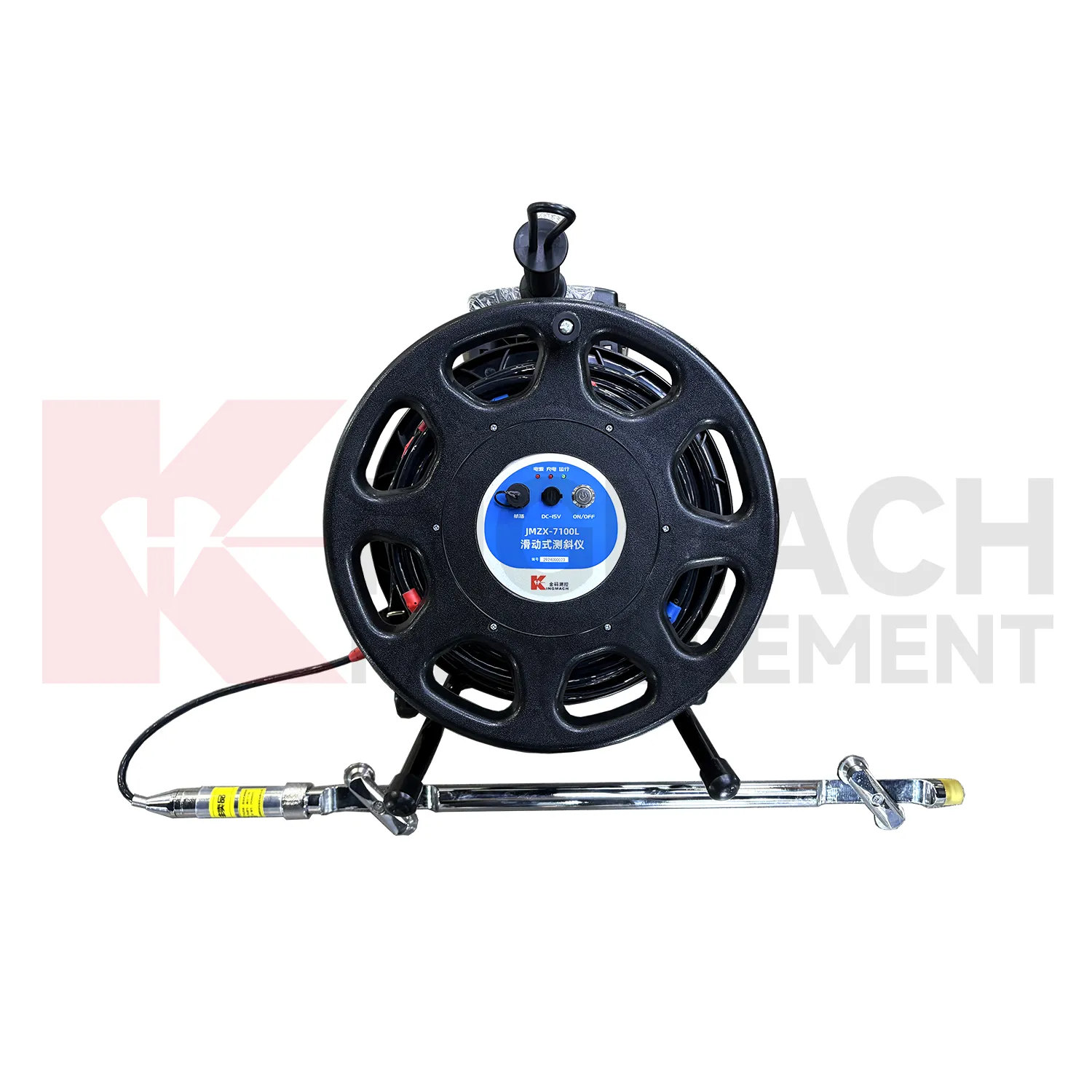
Future Kingmach Groundwater modeling software will place more emphasis on station health alongside sensor readings. A monitoring record is stronger when reviewers can see battery condition, communication status, last upload time, enclosure condition, channel activity, and recent maintenance. This is especially useful for remote bridges, slopes, tunnels, dams, and construction sites where a silent station can create uncertainty. Future acquisition systems will help teams separate sensor behavior from device status. A missing value may come from power, communication, wiring, or a real site event, and the record should make that distinction easier to review. Station health reporting can also guide field visits. Instead of checking every station on a fixed route, teams can prioritize devices with weak power, delayed upload, enclosure risk, or repeated data gaps. That will make maintenance work more targeted and keep important monitoring points active during critical periods. It also helps owners protect data continuity without expanding routine site visits.
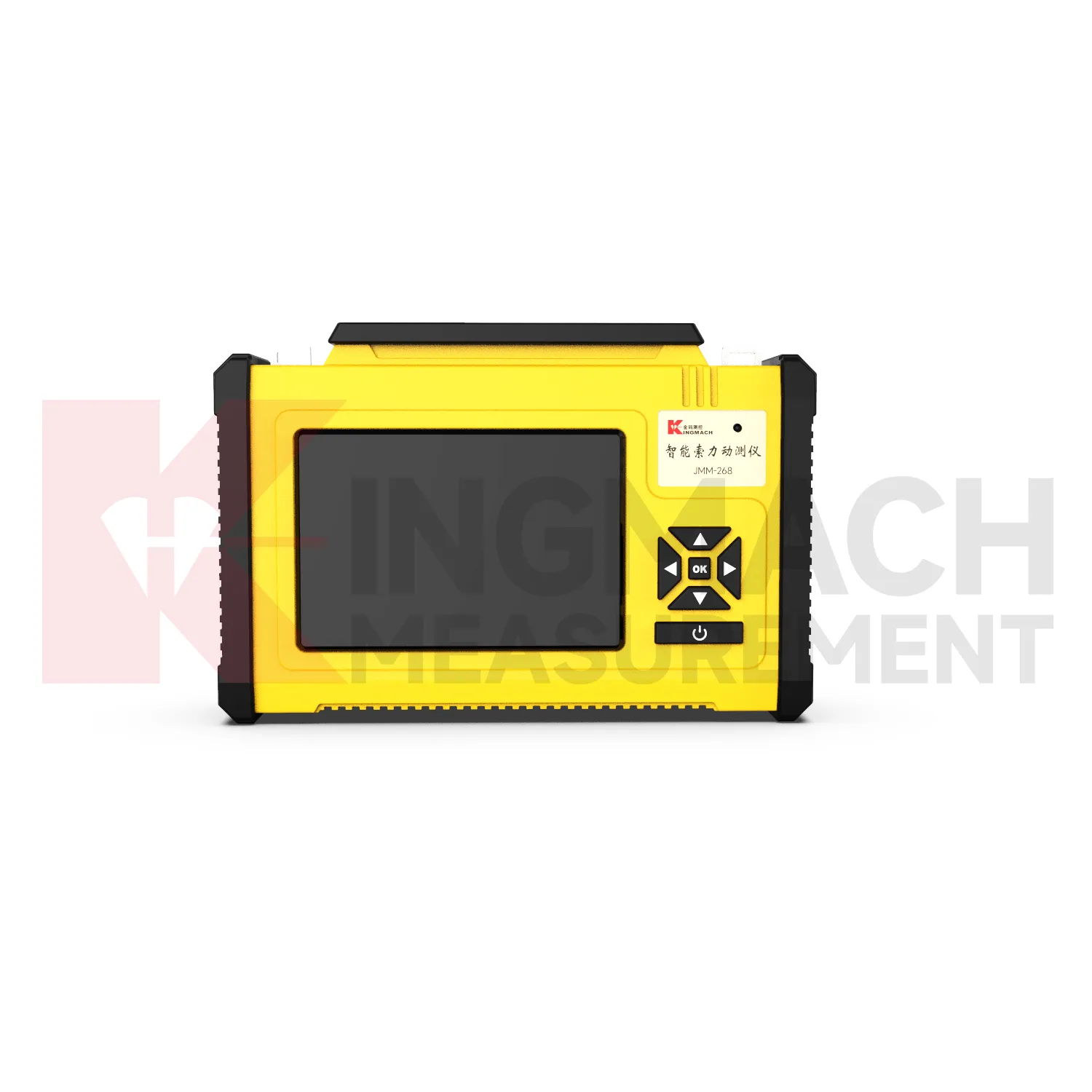
Care & Maintenance of Groundwater modeling software
Handover maintenance keeps Kingmach Groundwater modeling software useful after staff changes. A monitoring system may operate for years, but the people who installed it may leave the project. Keep a handover file with device type, sensor list, channel map, acquisition interval, communication method, power plan, baseline readings, maintenance history, and export location. Update the file after repairs, replacements, or setting changes. When the next team can understand the acquisition chain quickly, the project avoids repeated diagnosis and protects the value of long-term monitoring data. Handover should also identify which devices are temporary and which remain part of long-term operation. A temporary logger removed after construction should have final exported files, while a permanent station should keep power, communication, and maintenance routines documented. This prevents old construction records from being confused with active monitoring points. during owner review and maintenance planning. across project phases. clearly and safely. for owners. later on site. consistently.
Kingmach Groundwater modeling software
The role of Kingmach Groundwater modeling software is to keep measurement data accessible after the field work is finished. A reading that cannot be traced to a channel, time, sensor, or site condition loses much of its value. Portable readouts support immediate checking, while data loggers support continuity and remote access. When used well, they help owners see trends, compare events, verify maintenance actions, and prepare reports for construction or operation review. This category is especially important for projects where sensor networks remain in service after the original installation team has left. During handover, photos, channel maps, sensor lists, communication settings, and normal baseline examples help the next team continue review without rebuilding the monitoring history from scattered files. The record stays useful when point names, channel labels, sensor type, measurement time, and field condition are kept together, because later reviewers can connect the number with the actual structure and inspection history.
FAQ
Q: What are Readouts & Data Loggers used for?
A: They collect, display, store, and transfer sensor readings so engineering teams can review monitoring data from structural, geotechnical, and industrial projects.
Q: How are readouts different from data loggers?
A: Readouts are often used for field checking and portable measurement, while data loggers support automatic acquisition, scheduled records, and longer monitoring periods.
Q: Which sensors can be connected?
A: The category can support vibrating wire sensors, digital RS485 sensors, temperature points, dynamic signals, strain instruments, displacement sensors, tilt sensors, and other monitoring devices depending on the model.
Q: Why is channel naming important?
A: Clear channel names connect each reading with the correct sensor, location, structure, and review purpose, which prevents confusion during reporting and handover.
Q: What should be checked before purchase?
A: Buyers should define sensor type, channel count, acquisition interval, power supply, communication method, storage needs, site access, and reporting workflow.
Reviews
Matthew Garcia
Instrumentation cables are durable and perform well even in harsh environments. Will definitely order again.
Christopher Martinez
Very satisfied with the readouts & data loggers. User-friendly interface and supports multiple sensor inputs.
Latest Inquiries
To protect the privacy of our buyers, only public service email domains like Gmail, Yahoo, and MSN will be displayed. Additionally, only a limited portion of the inquiry content will be shown.
Ava***@gmail.comAustralia
Hi, I am looking for reliable tiltmeters and accelerometers for structural health monitoring. Please...
Mia***@gmail.comNetherlands
Dear team, we are interested in your readouts & data loggers compatible with multiple sensors. Do yo...
Related product categories
- Wallmount Automation Chassis
- Tilt Acquisition Module
- Temperature and Humidity Acquisition
- Platforms & Services
- Structural Health Monitoring (SHM) System
- Structural Monitoring Cloud Platform
- IoT Online Monitoring System
- Structural Safety Assessment
- Monitoring System Platform & Services
- Engineering Pulse Intelligent Monitoring Cloud Platform
- Fullprocess Service
- Onestop Installation Service