
 EN
EN
 ar
ar bg
bg hr
hr cs
cs da
da nl
nl fi
fi fr
fr de
de el
el hi
hi it
it ko
ko no
no pl
pl pt
pt ro
ro ru
ru es
es sv
sv tl
tl iw
iw id
id lv
lv lt
lt sr
sr sk
sk sl
sl uk
uk vi
vi et
et hu
hu th
th tr
tr fa
fa ms
ms hy
hy ka
ka ur
ur bn
bn mn
mn ta
ta kk
kk uz
uz ku
ku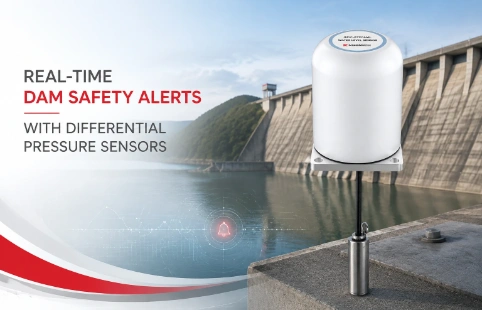
Real-Time Dam Safety Alerts with Differential Pressure Water Level Sensors
Key Takeaways An alert chain needs more than a sensor: define field in...

Localized Weir Flow Meter Solutions for Your Projects
Weir flow meters are a straightforward way to measure open-channel flow in irrigation channels, wastewater plants, and natural streams. The basic idea hasn't changed much: you place a notch of a known shape in the flow path, and the water level upstream tells you the discharge. But getting the right weir, installing it correctly, and maintaining accuracy over time often demands more than a catalog order—especially if you’re dealing with site-specific conditions or local regulations. At Kingmach, we see this gap every day. That’s why we’ve built our weir flow meter localization around practical needs: manufacturing weir plates and associated level sensors closer to your site, offering on-the-ground technical support, and adapting designs to match regional standards or unusual channel shapes. Instead of shipping a one-size-fits-all product from a distant factory, we work with local partners and our own engineering team to deliver a solution that actually fits your weir box and your budget. Whether you need a thin-plate V-notch for a small creek or a broad-crested weir for a concrete flume, we can fabricate it to your dimensions, provide compatible ultrasonic or radar level transmitters, and make sure the whole setup is calibrated to local reference points. This approach shaves off weeks from lead times, reduces freight costs, and gives you someone to call when field adjustments are needed.
Technical Detail
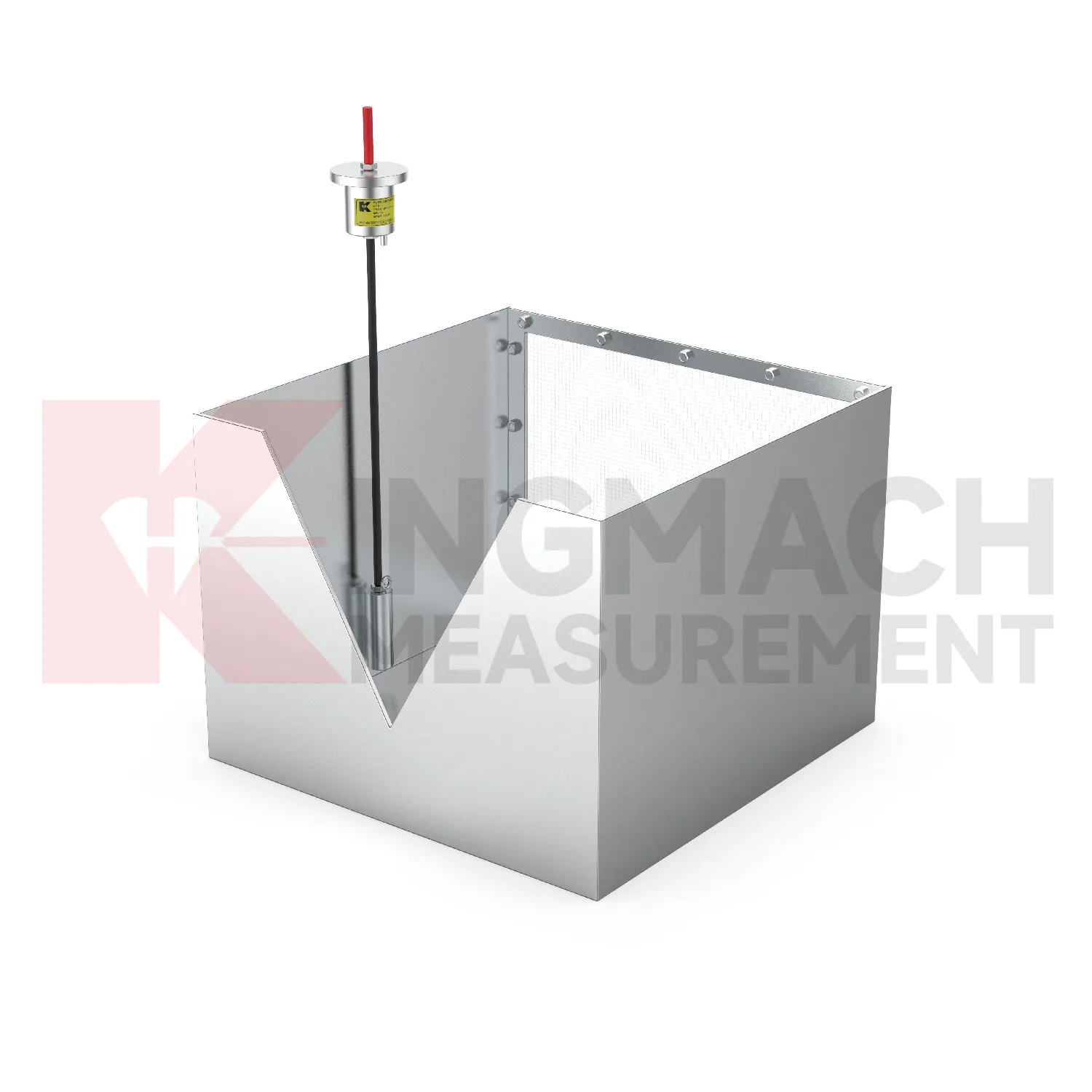
Kingmach’s localized weir flow meter services bring together fabrication, sensors, and support into a single package. We focus on practical customization: if your channel has an irregular cross-section, we can cut a weir plate to match and supply a level transmitter that handles the measurement range. Commonly, we work with rectangular, V-notch, and trapezoidal thin-plate weirs made from stainless steel, but we also machine polymer plates for corrosive fluids. Each weir comes with a datasheet specifying the head-discharge relationship based on the actual crest width and notch angle, not a generic table. For level measurement, we pair the weir with our ultrasonic or radar sensors, both of which can be mounted above the flow without touching the water—useful when sediment or debris is a concern. The ultrasonic sensor measures the distance to the water surface; the radar option works better with foam or fluctuating temperatures. We preconfigure the transmitter with the weir’s rating curve so that the output signal (4-20 mA or Modbus) is already in flow units like liters per second or millions of gallons per day. Field setup then becomes a matter of physical installation and a quick zero-check, rather than a programming exercise. From a support angle, localized service means we can dispatch a technician to your site within days, not weeks. That’s critical when a sensor drifts or a weir plate gets damaged after a storm. Our global distribution network keeps spare parts in regional hubs. We also provide after-sales calibration checks, either by returning sensors to a local workshop or using portable flow comparison tools. For projects that require official verification, we can arrange third-party calibration certificates traceable to national standards. This blend of in-house manufacturing and local presence helps avoid the common pitfall of imported equipment: long downtime while waiting for parts or an expert to fly in. Whether you’re monitoring irrigation canals in Southeast Asia, industrial effluent in the Middle East, or stream flow in South America, we aim to be close enough to keep your data flowing.
News
Key Takeaways An alert chain needs more than a sensor: define field in...
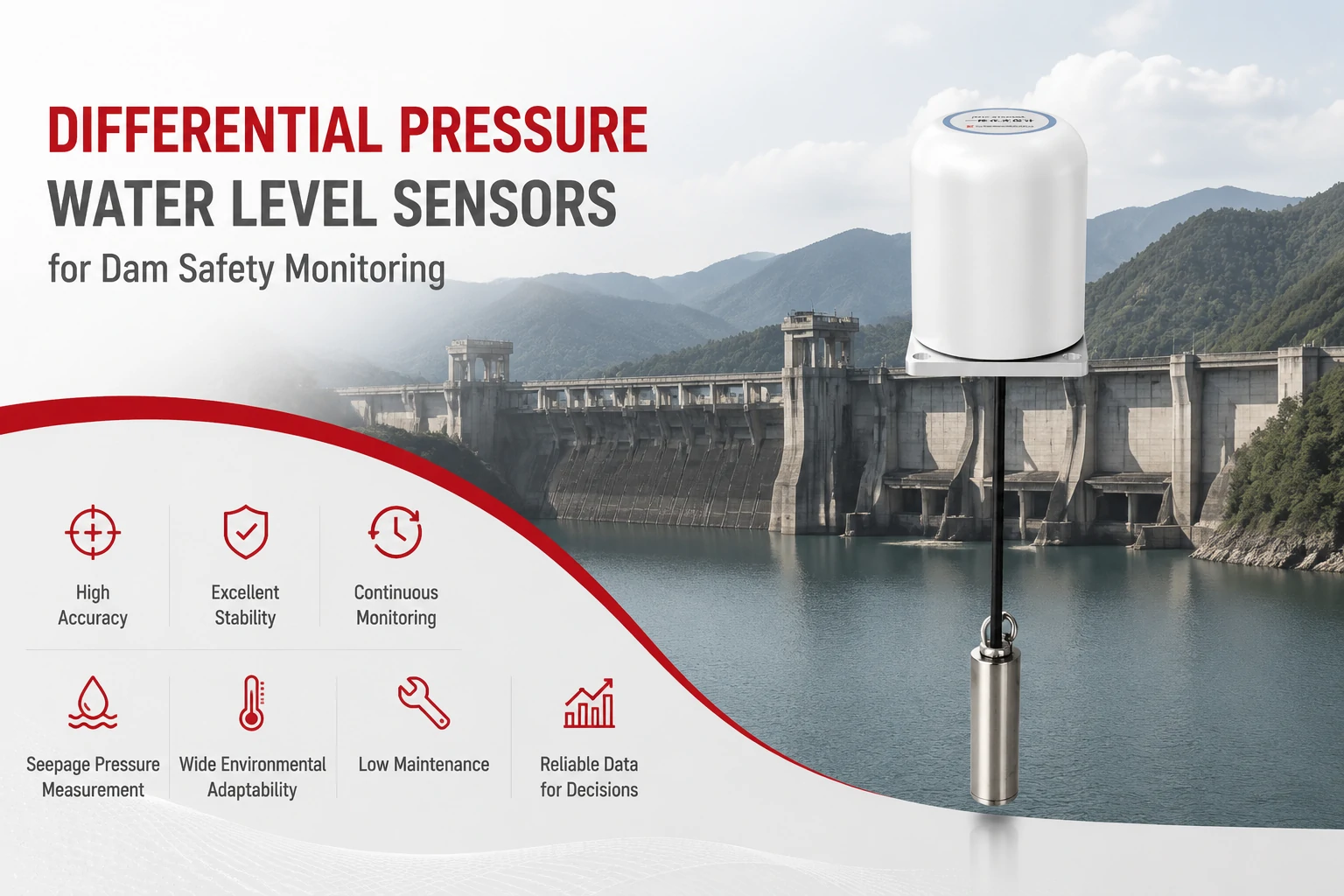
Key Takeaways The strongest fit is usually a confined, submerged, or s...
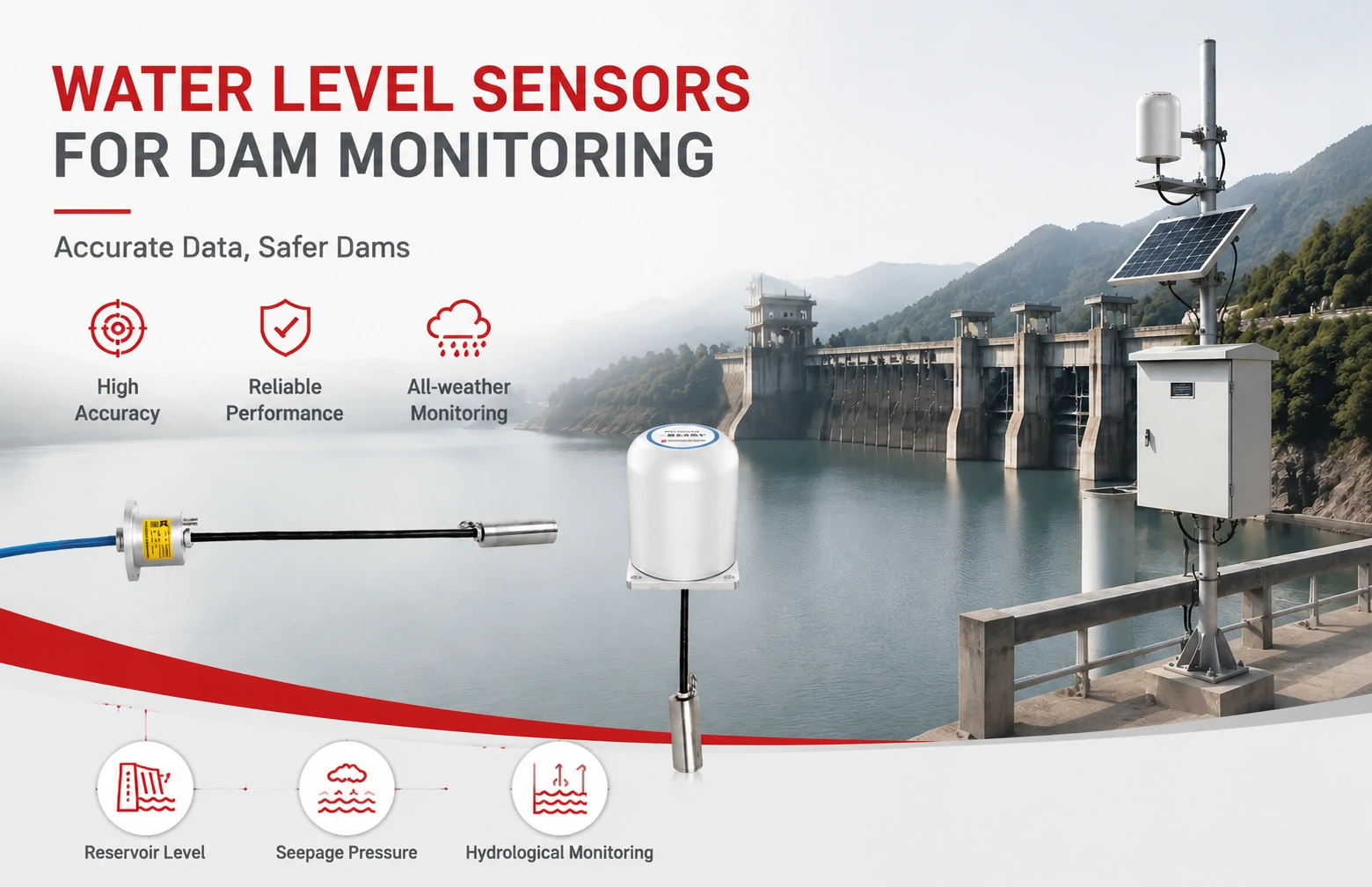
Kingmach Water Level Sensors for Dam Monitoring: A Buyer's Guide to Differential Pre...
Products
FAQ
It covers local manufacturing of weir plates to your specifications, stocking compatible sensors in regional warehouses, and offering on-site technical support through nearby partners. You’re getting equipment that’s been dimensioned to your channel, not a standard size that you then have to adapt on site.
Fabricating weir plates locally can cut lead times by half compared to international shipping. For standard dimensions, we often have material on hand and can ship within two to three weeks. Complex shapes might take longer, but still faster than overseas freight plus customs clearance.
Yes, that’s actually one of the main reasons clients come to us. We can work from your cross-section drawings or a simple sketch. We’ll machine the weir plate to fit the exact width and shape, and then calibrate the sensor accordingly. We’ve done everything from tilted weirs for sloping flumes to compound weirs with multiple notches.
Most sites use our ultrasonic transmitter—it’s affordable and handles everyday conditions well. If you have foam, steam, or large temperature swings, we’d suggest the radar version. Both can be mounted from above, so you don’t need to drill into the channel wall. The sensor gets configured at our end to output flow directly based on the weir’s rating curve.
We can reverse-engineer a replacement from measurements or a photo with a scale reference. Often we can match the original plate exactly in stainless steel, and we’ll include a new calibration for the sensor if the upstream geometry has changed. Turnaround is fairly quick since we usually do the cutting in-house.
Share your product type, target capacity, and application requirements. Our team can review the details and recommend a practical next step.
If you are interested in our products or want to become our partner.
Please leave your contact information, our team will contact you as soon as possible.
Mail: [email protected]
Contact Us: +8613808434127
Address: No. 188 Tongzipo West Rd, Changsha, Hunan, China