
 EN
EN
 ar
ar bg
bg hr
hr cs
cs da
da nl
nl fi
fi fr
fr de
de el
el hi
hi it
it ko
ko no
no pl
pl pt
pt ro
ro ru
ru es
es sv
sv tl
tl iw
iw id
id lv
lv lt
lt sr
sr sk
sk sl
sl uk
uk vi
vi et
et hu
hu th
th tr
tr fa
fa ms
ms hy
hy ka
ka ur
ur bn
bn mn
mn ta
ta kk
kk uz
uz ku
ku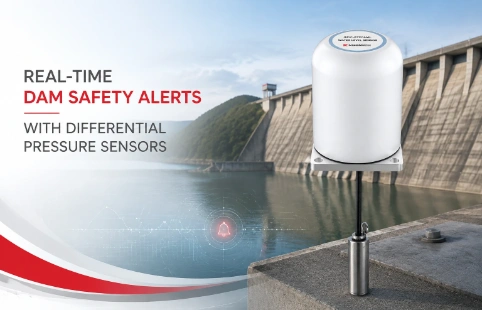
Real-Time Dam Safety Alerts with Differential Pressure Water Level Sensors
Key Takeaways An alert chain needs more than a sensor: define field in...

Triaxial Accelerometer: 3-Axis Vibration Measurement
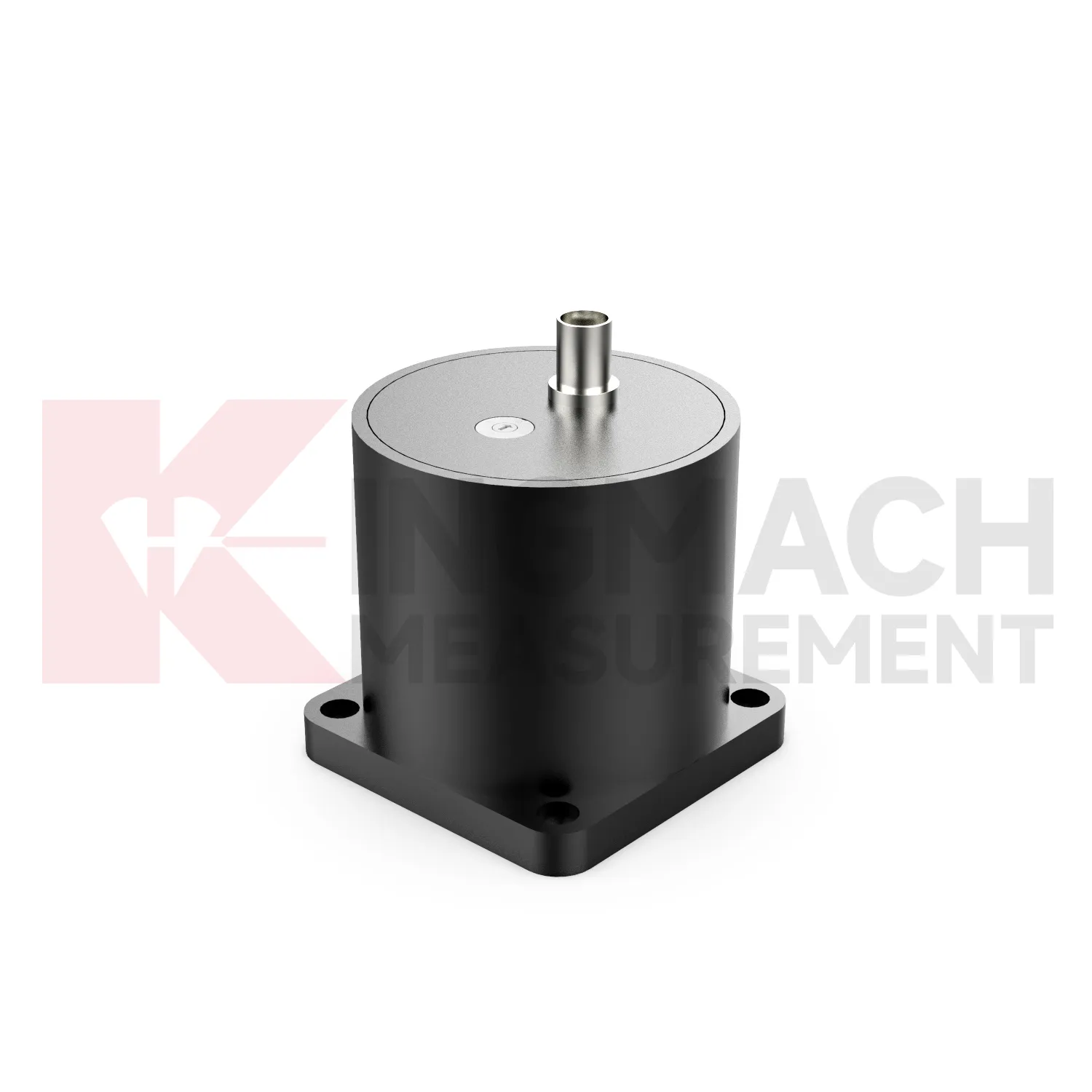
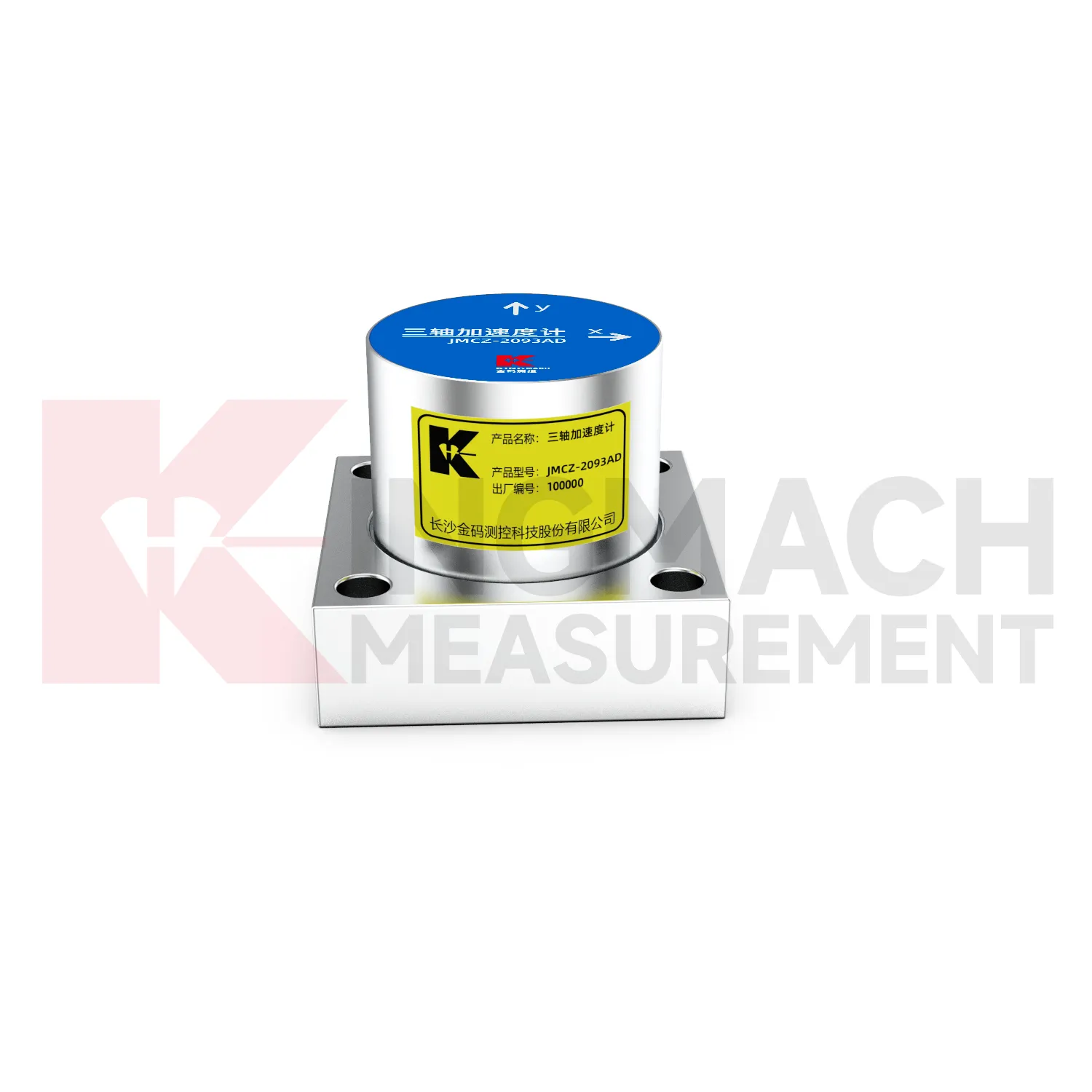
When monitoring vibrations on a bridge pylon, a single-axis sensor often leaves you guessing about lateral forces. That’s where a triaxial accelerometer steps in—it captures movement in all three directions at once. Kingmach has built these sensors into our monitoring lineup because geotechnical work rarely happens in neat, single-axis scenarios. Whether it’s seismic activity near a dam or machinery vibration on an industrial floor, real-world motion is three-dimensional. Our triaxial accelerometers are designed to keep up, using proven piezoelectric or MEMS sensing elements depending on the application’s frequency range. The output gives you a complete picture, not just a faded snapshot. Over the years, engineers have told us that the difference between a standard accelerometer and a triaxial version is like going from a pinhole camera to a full frame. You don’t realize what you’ve been missing until you see data from all three axes lining up. Of course, packaging matters too—these sensors need to survive harsh environments without drifting. That’s why we focus on sealed construction and reliable cable connections. For tunnels, slopes, or offshore structures, a triaxial accelerometer becomes a practical necessity rather than a luxury add-on.
Technical Detail
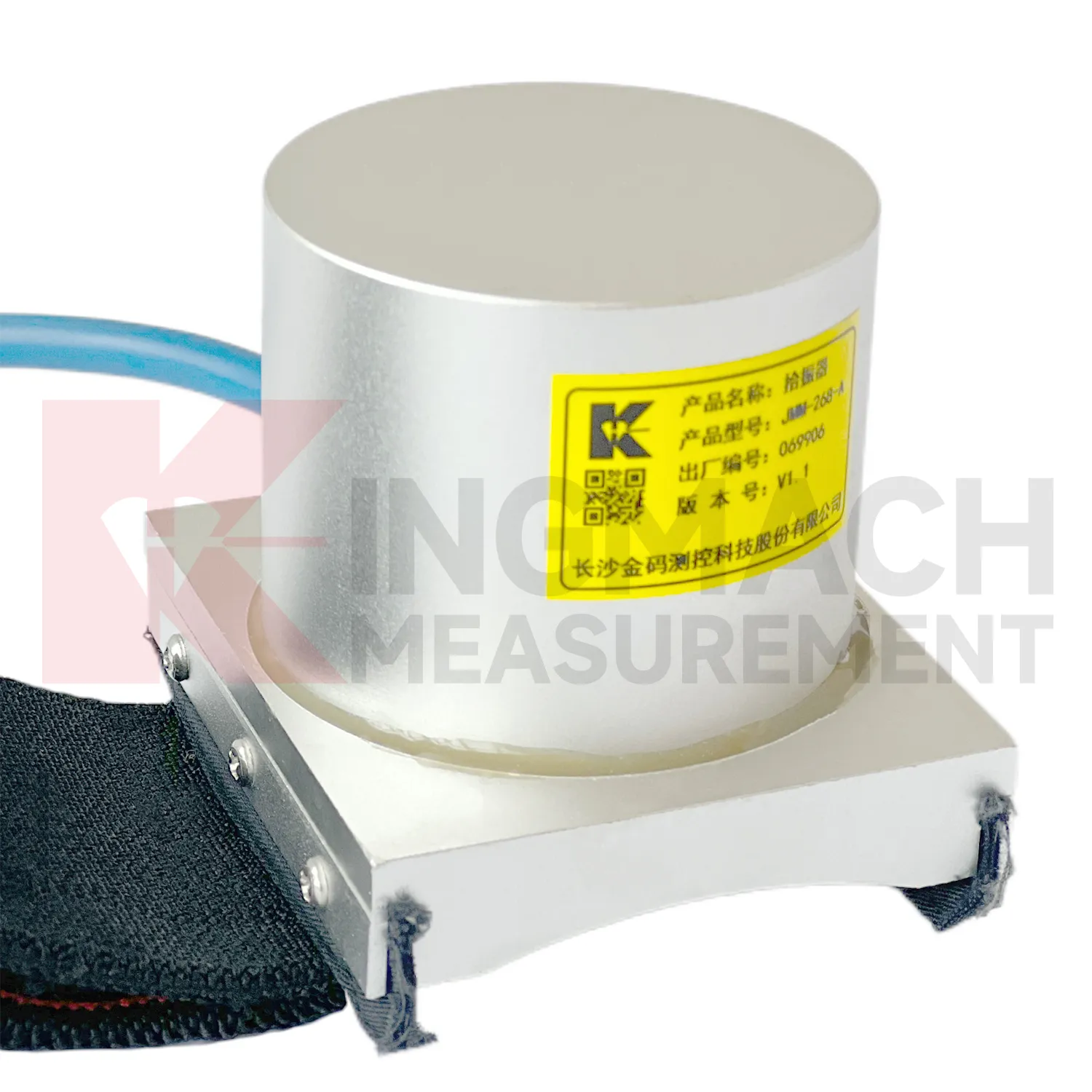
Kingmach Measurement & Monitoring Technology Co., Ltd. supplies triaxial accelerometers as part of our wide range of geotechnical instruments. We’ve worked with monitoring consultants who need to capture dynamic behavior in structures—think of a wind turbine tower swaying or a railway embankment under train loading. A triaxial accelerometer gives them data along the vertical, transverse, and longitudinal axes from a single mounting point. That saves installation time and avoids phase mismatch between separate sensors. Technical-wise, these sensors typically cover a frequency range from near DC to several kilohertz, making them suitable for both low-frequency seismic events and higher-frequency machine diagnostics. Sensitivity and measurement range can be adjusted according to project needs; we often work with clients to specify the right balance between resolution and full-scale amplitude. The sensing element might be MEMS for static tilt or piezoelectric for dynamic vibration, depending on what’s being monitored. Housing is another detail that matters. Our triaxial accelerometers come in stainless steel enclosures with IP67 or higher sealing, because monitoring points are rarely climate-controlled. The connector or integral cable is ruggedized to withstand rough handling on site. We’ve seen these sensors placed inside boreholes, on concrete surfaces, or bolted to steel structures—each case requires minor mounting tweaks. As a professional manufacturer, Kingmach can also customize mounting brackets, cable lengths, and output types—voltage, IEPE, or digital—to match your data acquisition system. With distribution partners in multiple countries, we back these sensors with technical support and after-sales service, ensuring you’re not left figuring things out alone.
News
Key Takeaways An alert chain needs more than a sensor: define field in...
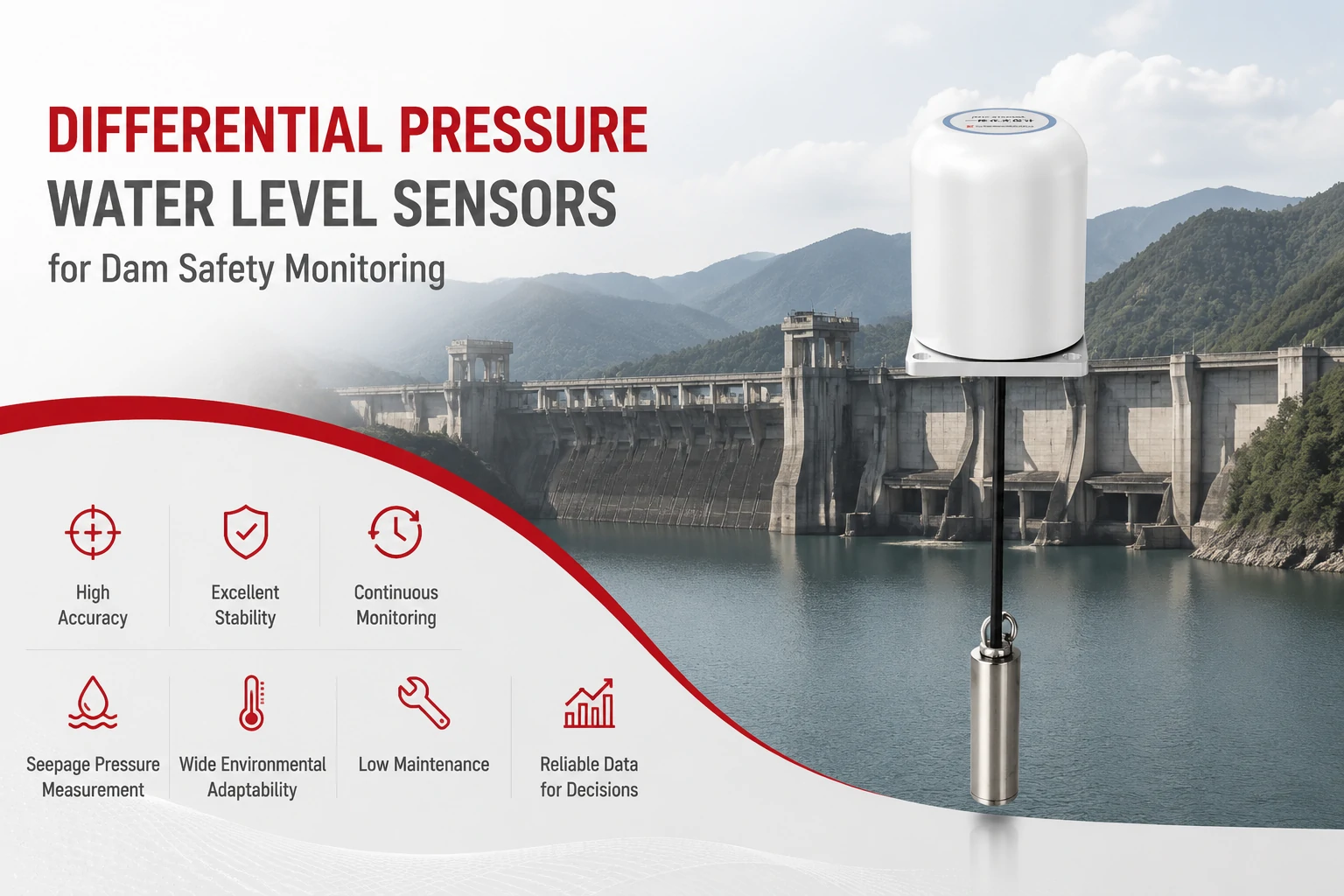
Key Takeaways The strongest fit is usually a confined, submerged, or s...
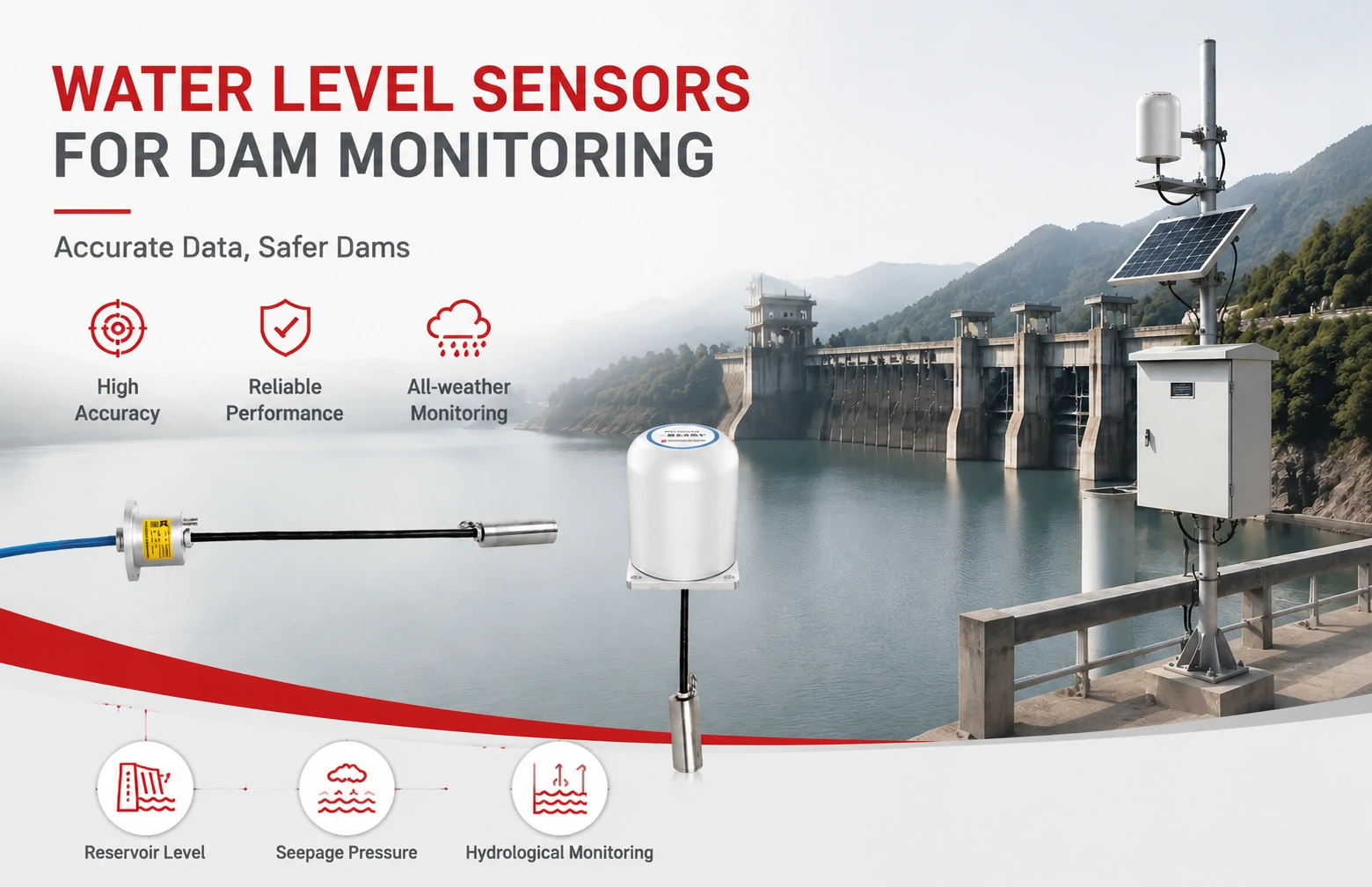
Kingmach Water Level Sensors for Dam Monitoring: A Buyer's Guide to Differential Pre...
Products
FAQ
The main gain is phase coherence. With three separate sensors, you have to mount them at slightly different points, which can introduce timing errors when analyzing dynamic motion. A triaxial unit houses all three sensing elements in one package, sharing the same seismic mass. So acceleration vectors stay properly aligned, and you only need one mounting spot and one cable run. It’s simpler to install and gives cleaner data for modal analysis or structural health monitoring.
That depends on the sensor technology inside. If it’s a MEMS-based triaxial accelerometer, yes—it can measure DC acceleration, which means it responds to gravity and can track tilt angles. Piezoelectric units, on the other hand, don’t have DC response; they’re ideal for dynamic vibration but won’t provide a static reference. For applications that need both, we might suggest an IEPE sensor with a very low frequency cutoff or a hybrid approach.
It varies by model. Common options are voltage (like ±5V differential), IEPE (constant current 2–20 mA with built-in amplifier), or digital output via RS485/CAN. Many data loggers in geotechnical monitoring prefer voltage or IEPE because of long cable runs. We match the output to your existing system as much as possible to avoid extra signal conditioning.
The preferred method is bolting through a stainless steel mounting base. We use anchor bolts or chemical anchors to ensure the sensor moves exactly with the structure. Magnetic bases are sometimes used for temporary setups, but they can slip under high vibration. For permanent monitoring, direct stud mounting with a thin layer of coupling grease gives the best frequency response. We provide detailed mounting guidelines with each sensor.
Not really. Most wireless nodes accept standard analog or digital inputs. As long as the sensor output (voltage or IEPE) matches the node’s input range, it’s straightforward. For low-power systems, we can supply accelerometers with low current consumption. The trickier part is often data bandwidth—three channels at high sample rates generate a lot of data, so edge processing or trigger-based sampling helps. We can advise on these trade-offs.
Share your product type, target capacity, and application requirements. Our team can review the details and recommend a practical next step.
If you are interested in our products or want to become our partner.
Please leave your contact information, our team will contact you as soon as possible.
Mail: [email protected]
Contact Us: +8613808434127
Address: No. 188 Tongzipo West Rd, Changsha, Hunan, China