
 EN
EN
 ar
ar bg
bg hr
hr cs
cs da
da nl
nl fi
fi fr
fr de
de el
el hi
hi it
it ko
ko no
no pl
pl pt
pt ro
ro ru
ru es
es sv
sv tl
tl iw
iw id
id lv
lv lt
lt sr
sr sk
sk sl
sl uk
uk vi
vi et
et hu
hu th
th tr
tr fa
fa ms
ms hy
hy ka
ka ur
ur bn
bn mn
mn ta
ta kk
kk uz
uz ku
ku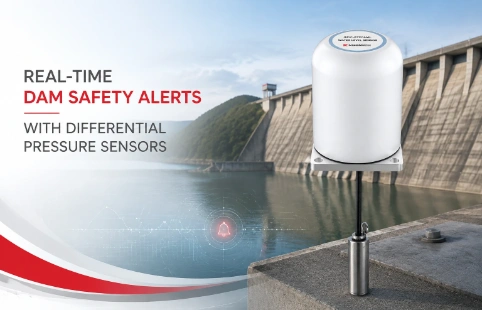
Real-Time Dam Safety Alerts with Differential Pressure Water Level Sensors
Key Takeaways An alert chain needs more than a sensor: define field in...

LVDT Linear Variable Displacement Transducers
Displacement monitoring on a dam, a foundation pit, or a landslide slope sometimes comes down to a few millimetres. If those readings drift, decisions get expensive. Kingmach builds LVDT linear variable displacement transducers for exactly these long-term, outdoor installations. The signal is a simple DC voltage—proportional to displacement—so most loggers and readout units can take it without extra conditioning boxes. Inside the sensor, the core moves through a coil assembly with no physical contact, which means wear is not really a wear item. We offer stroke lengths that cover typical structural ranges and can customize housing, cable exits, and mounting brackets for project-specific needs. Engineering support comes from a team that speaks geotechnical, not just electronics.
Technical Detail
Kingmach LVDT linear variable displacement transducers use a proven inductive principle: a movable magnetic core inside a set of coils generates a linear voltage output. Because the core moves without contact, the sensor does not wear like a potentiometer. That matters in monitoring jobs that run for years. Housings are typically stainless steel, with electronics sealed against moisture and dust—many units meet IP67 or are available in fully submersible IP68 build. Stroke ranges cover from a few millimetres up to several hundred, so you can size the transducer to a crack, joint, or deep settlement point. The output is often 0-5V, 0-10V, or 4-20mA, which drops into most data acquisition systems without extra amplification. For projects where a standard sensor does not fit, Kingmach can adjust cable length, connectors, mounting threads, and even the body diameter within certain limits. This makes the LVDTs useful not only in geotechnical boreholes and dams, but also in structural health monitoring of bridges and tunnels, and in automated industrial gauging where a slim body is needed. A global distributor network and direct technical support from the factory help get the right configuration to the site on time.
News
Key Takeaways An alert chain needs more than a sensor: define field in...
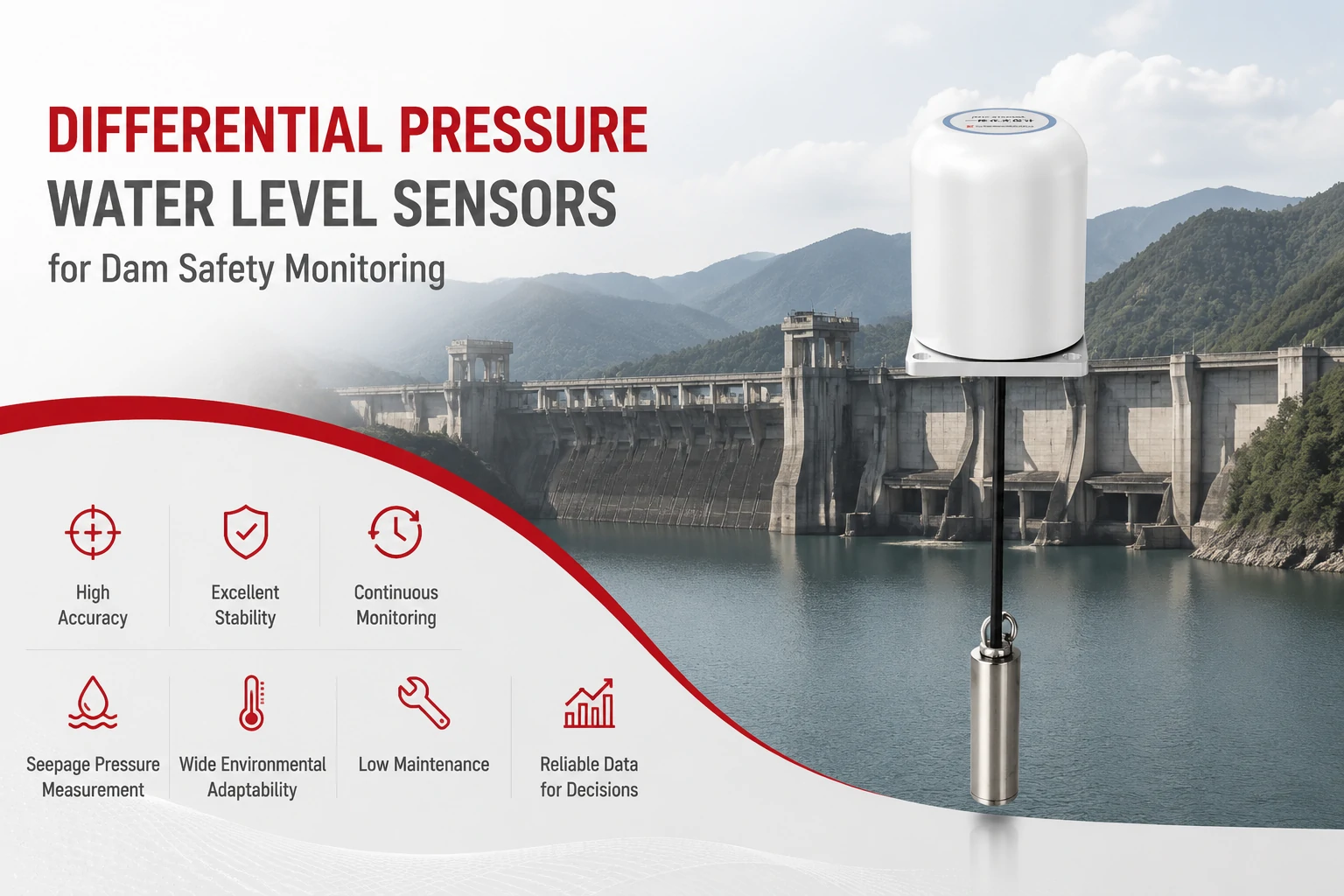
Key Takeaways The strongest fit is usually a confined, submerged, or s...
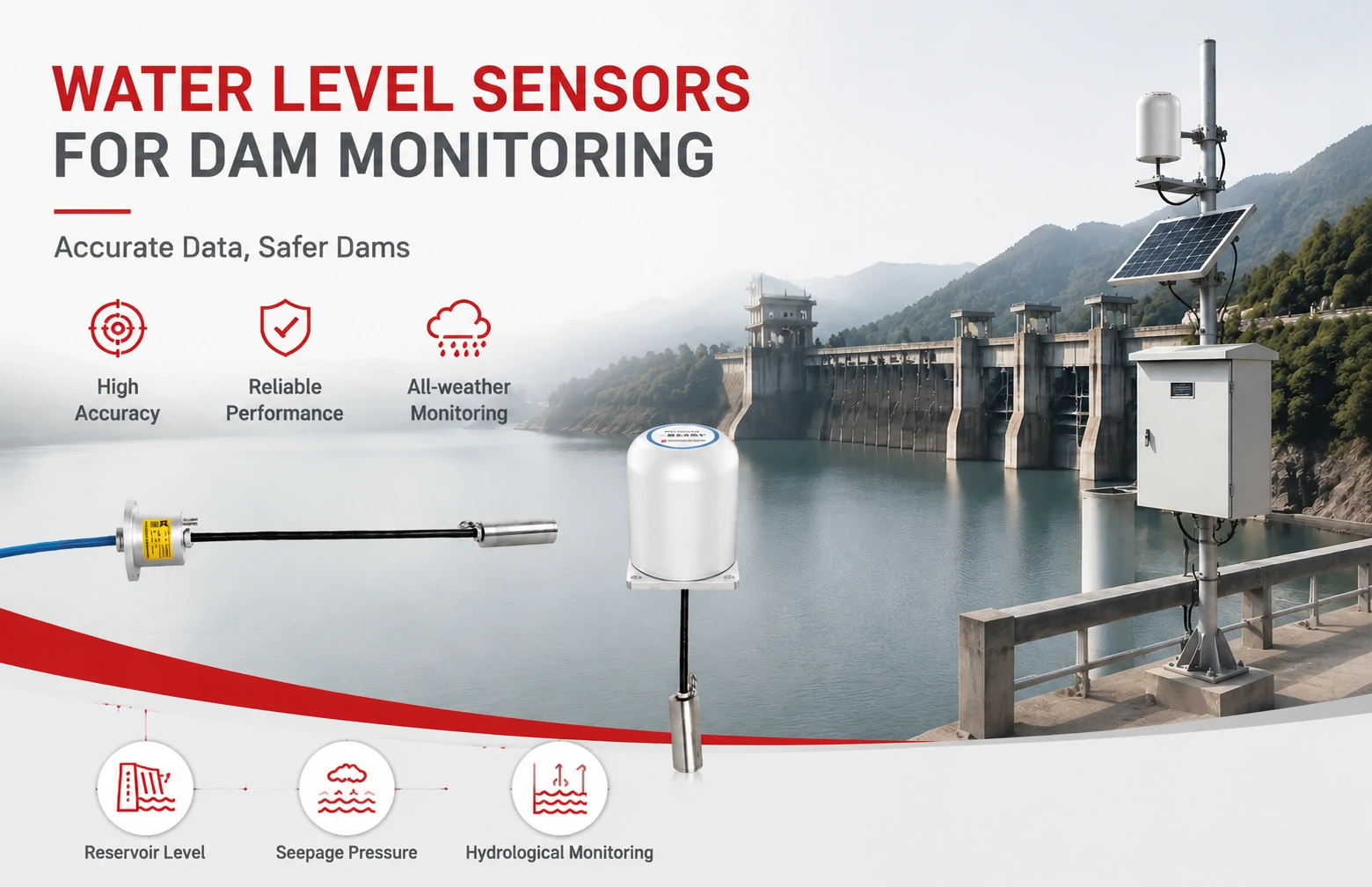
Kingmach Water Level Sensors for Dam Monitoring: A Buyer's Guide to Differential Pre...
Products
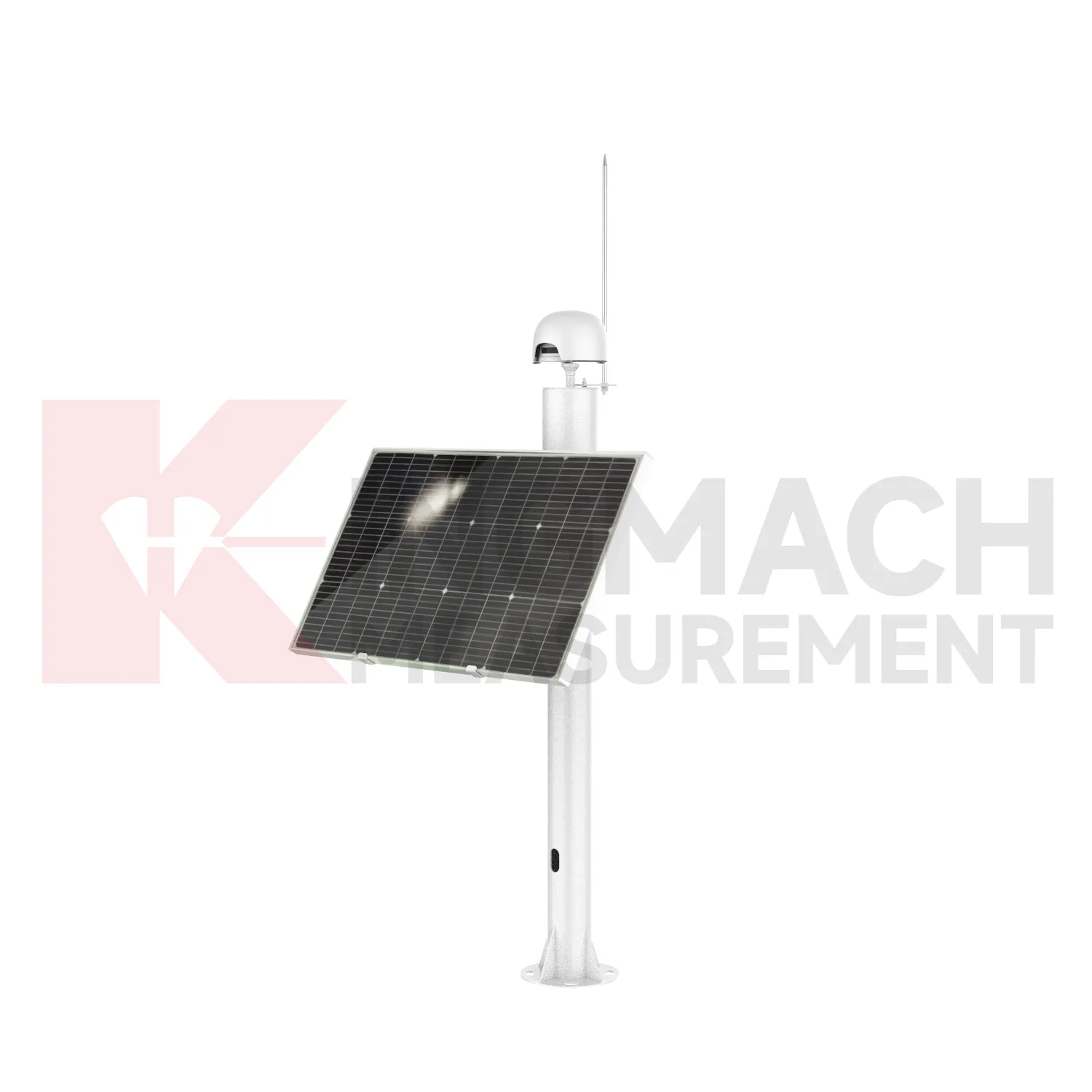
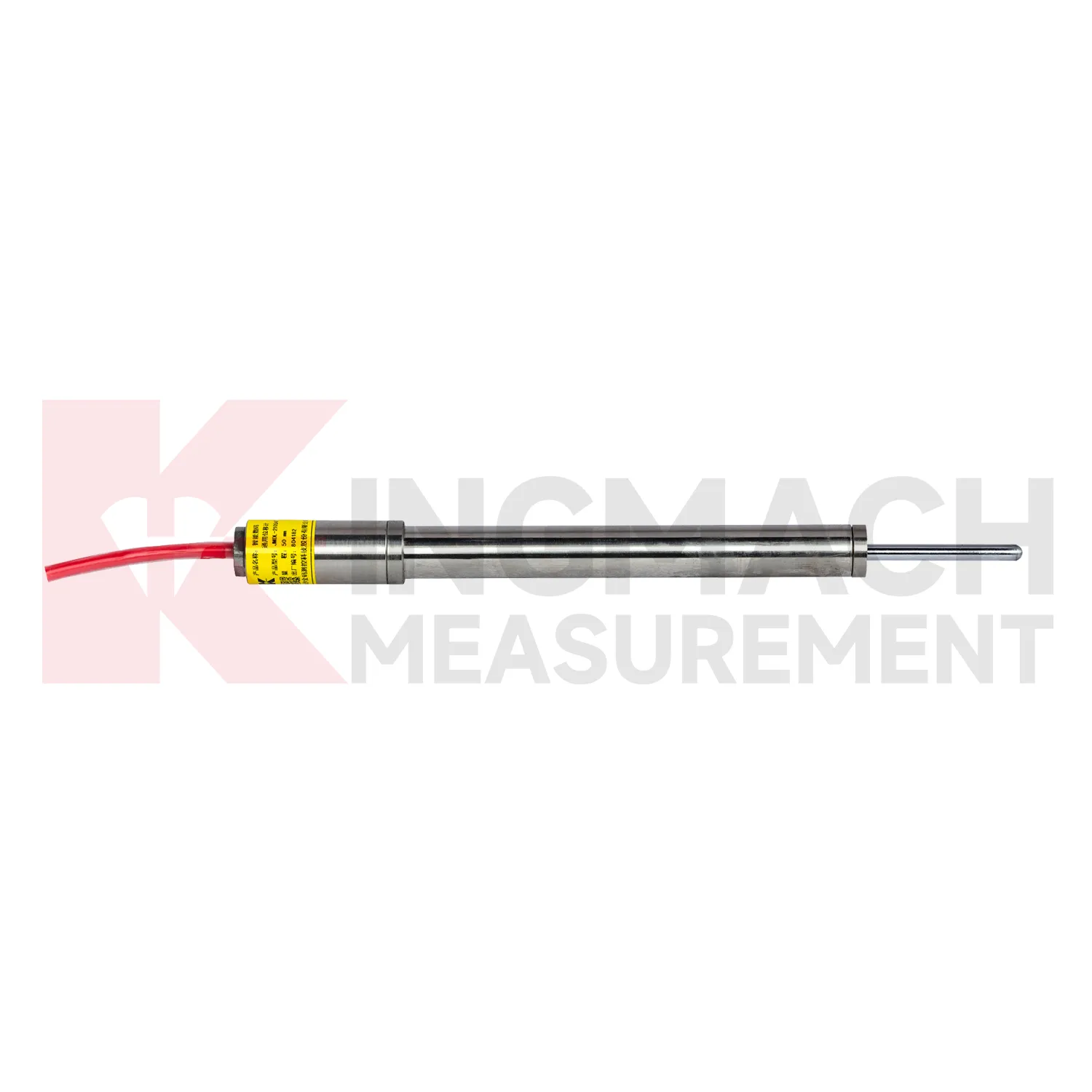
Smart General-Purpose Displacement MeterJMDL-21XXAT
View Details
FAQ
For fine crack monitoring in concrete or rock, a ±5 mm or ±10 mm stroke usually gives enough travel and good resolution. If the crack is expected to open wider, ±25 mm or ±50 mm makes more sense. Let the expected movement plus a safety margin drive the selection; don’t oversize too much because you lose resolution on small displacements.
Standard units with IP67 sealing handle splashes and temporary submersion, but for permanent immersion we configure the transducer with IP68 rating—this means double O-ring seals, a pressure-tight cable gland, and often a vented cable if the water column is deep. Let us know the water head and we will quote accordingly.
Most models output 0-5 V or 4-20 mA, which any logger with differential or single-ended analog inputs can read. We supply a wiring schedule with the sensor. Power is usually 9-28 V DC. If you are using a Campbell Scientific or similar logger, a simple voltage measurement instruction is enough; no bridge completion or excitation other than DC power.
Yes. Rod-end bearings (eyelet fittings) are common for tie-bar or structural member attachments. Spring-loaded probes are useful when you need to maintain contact with a surface that may move away. Both can be specified when ordering, and we can also machine custom mounting feet if you send a sketch.
For standard modifications like a non-stock cable length or connector change, a couple of weeks is realistic. If the body needs machining alterations or a new stroke range calibration, figure three to four weeks. We always confirm after we review the requirement, so you are not guessing.
Share your product type, target capacity, and application requirements. Our team can review the details and recommend a practical next step.
If you are interested in our products or want to become our partner.
Please leave your contact information, our team will contact you as soon as possible.
Mail: [email protected]
Contact Us: +8613808434127
Address: No. 188 Tongzipo West Rd, Changsha, Hunan, China