
 EN
EN
 ar
ar bg
bg hr
hr cs
cs da
da nl
nl fi
fi fr
fr de
de el
el hi
hi it
it ko
ko no
no pl
pl pt
pt ro
ro ru
ru es
es sv
sv tl
tl iw
iw id
id lv
lv lt
lt sr
sr sk
sk sl
sl uk
uk vi
vi et
et hu
hu th
th tr
tr fa
fa ms
ms hy
hy ka
ka ur
ur bn
bn mn
mn ta
ta kk
kk uz
uz ku
ku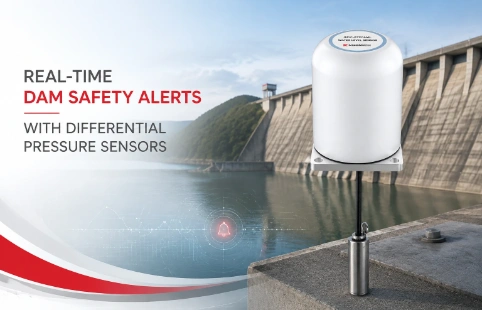
Real-Time Dam Safety Alerts with Differential Pressure Water Level Sensors
Key Takeaways An alert chain needs more than a sensor: define field in...

How Load Cell Wheatstone Bridge Circuits Ensure Precision
Most industrial weighing and force measurement systems start with a simple but clever circuit: the Wheatstone bridge. It’s the backbone of strain gauge load cells, turning tiny resistance changes into readable voltage signals. If you’ve ever wondered why some load cells drift more than others, or why temperature swings throw off your readings, the answer usually lies in how that bridge is designed and compensated. Kingmach builds its sensors around this principle, but the real difference comes from the details—like foil gauge placement, excitation voltage handling, and how well the bridge maintains balance under real-world loading. This page walks through the essentials without the textbook filler, so you can spot what matters when selecting or troubleshooting a load cell.
Technical Detail
A strain gauge load cell relies on a Wheatstone bridge to convert mechanical strain into an electrical output. The circuit consists of four resistive arms, typically arranged as a full bridge to maximize sensitivity and cancel out temperature effects. When the load cell deforms under force, two gauges face tension and two compression, causing a proportional change in resistance. This imbalance generates a small voltage differential—usually in the millivolt range—that signal conditioners then amplify for display or data acquisition. Kingmach load cells use this standard configuration, but the gauges are bonded and sealed to suit specific environments. For geotechnical monitoring, sensors often need to handle moisture, pressure, and uneven loading. The company’s range includes shear beam, S-type, and column designs, each with bridge parameters tuned for repeatability. Field technicians can check bridge integrity by measuring input/output resistance before installation; a missing or drifted reading often points to gauge failure. Customized options let users specify excitation up to 15 V, 350-ohm or 1000-ohm bridges, and compensation resistors for extended temperature ranges. These details might seem small, but they’re what keep a continuous reading stable over months of soil settlement monitoring or structural testing.
News
Key Takeaways An alert chain needs more than a sensor: define field in...
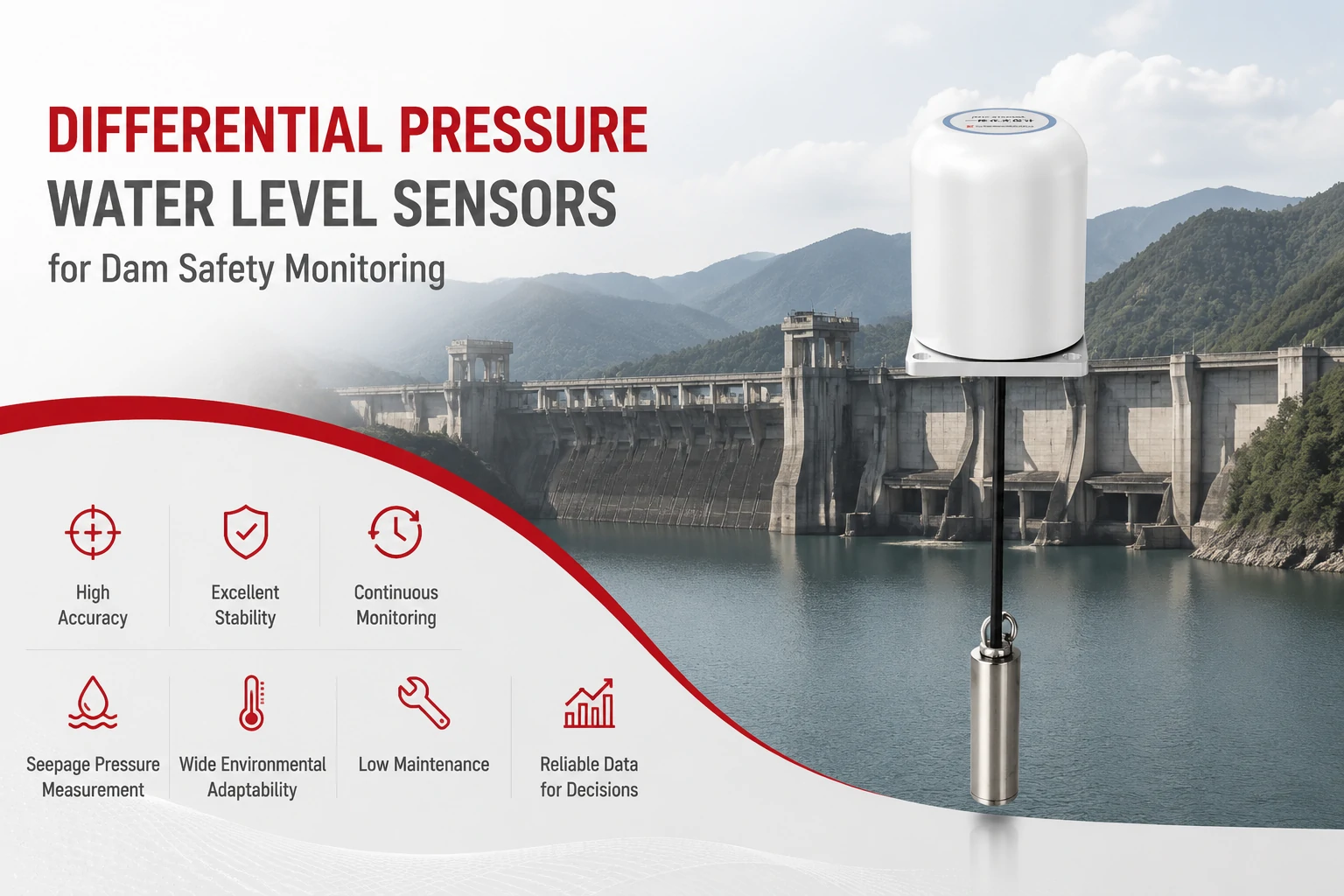
Key Takeaways The strongest fit is usually a confined, submerged, or s...
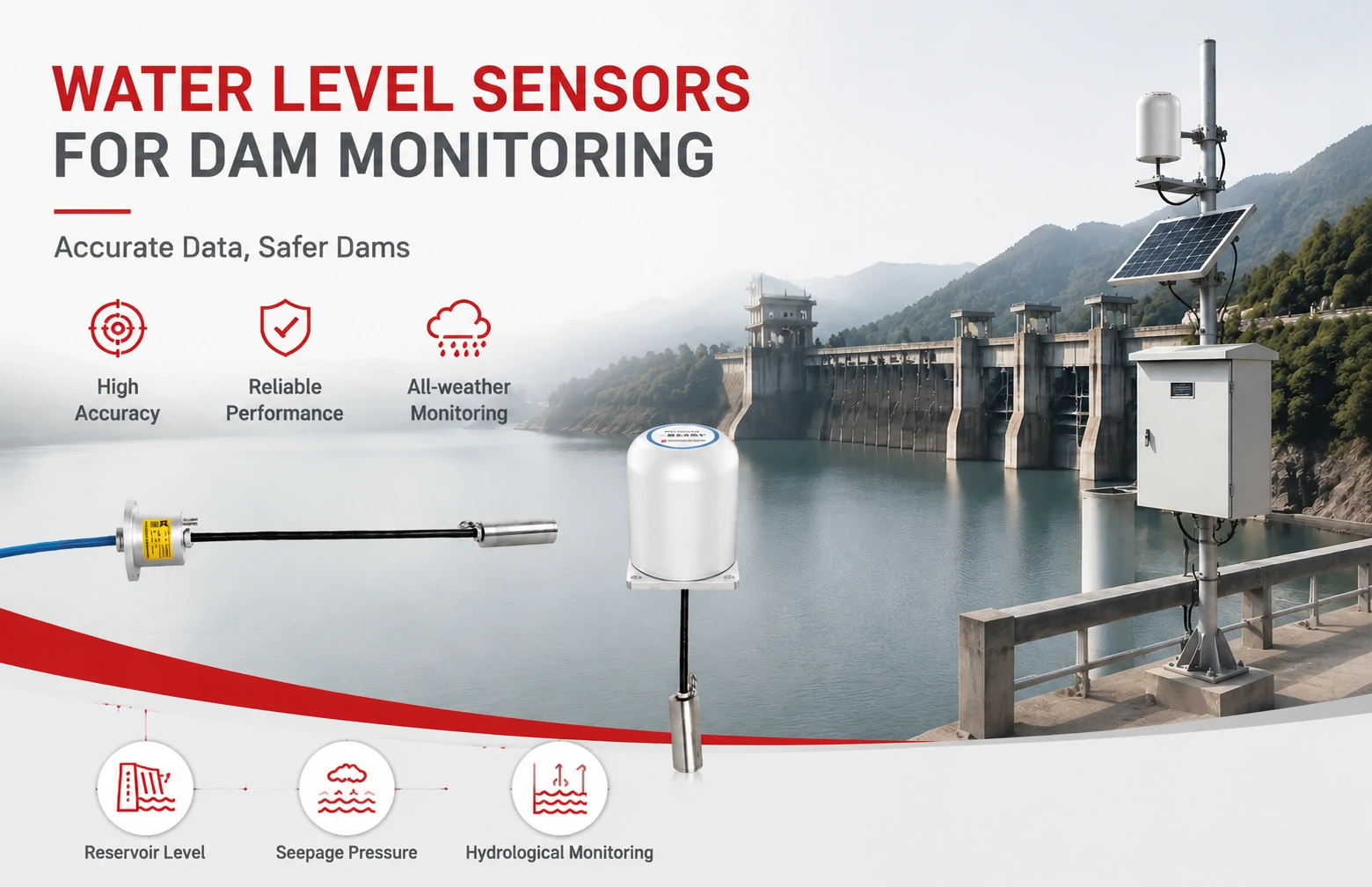
Kingmach Water Level Sensors for Dam Monitoring: A Buyer's Guide to Differential Pre...
Products
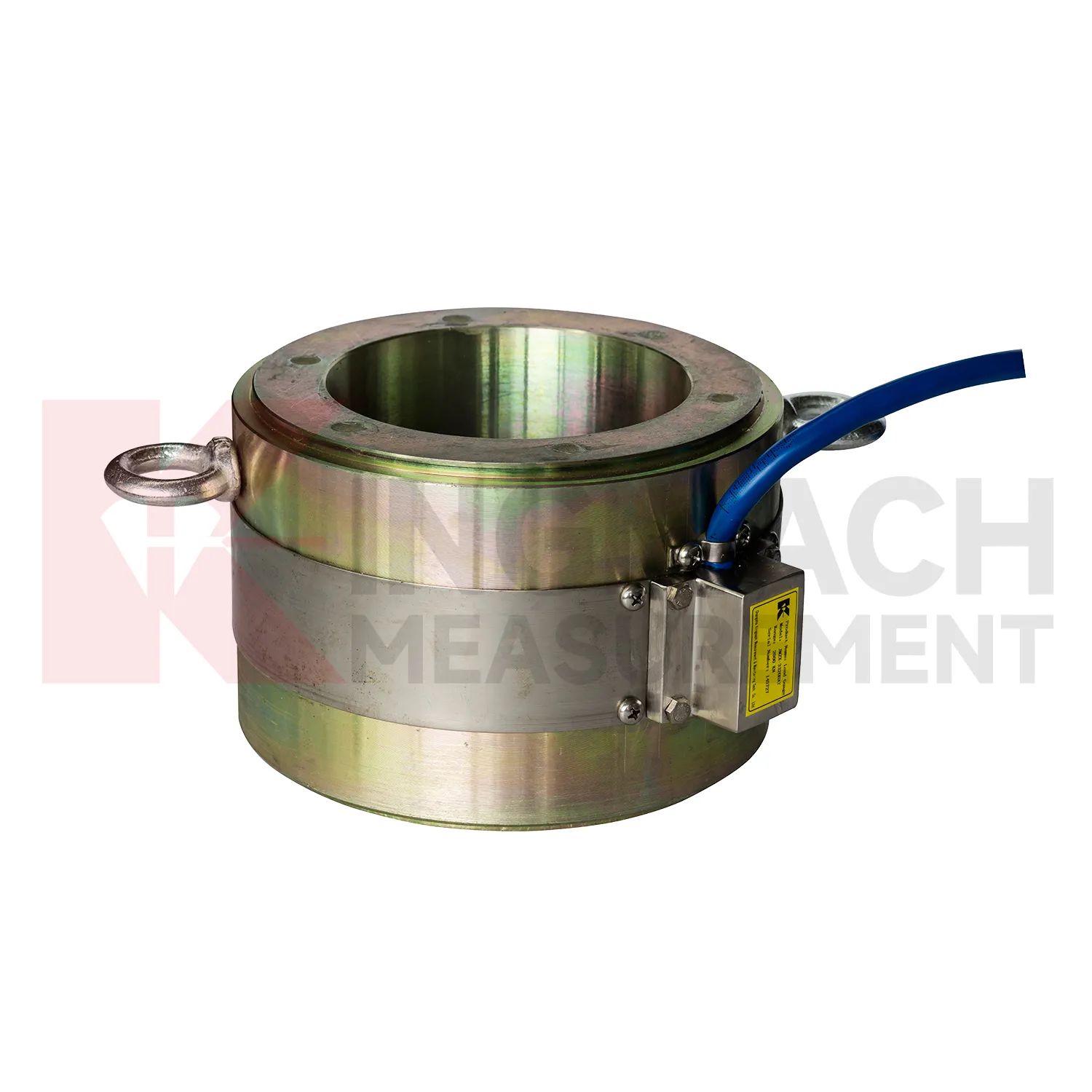
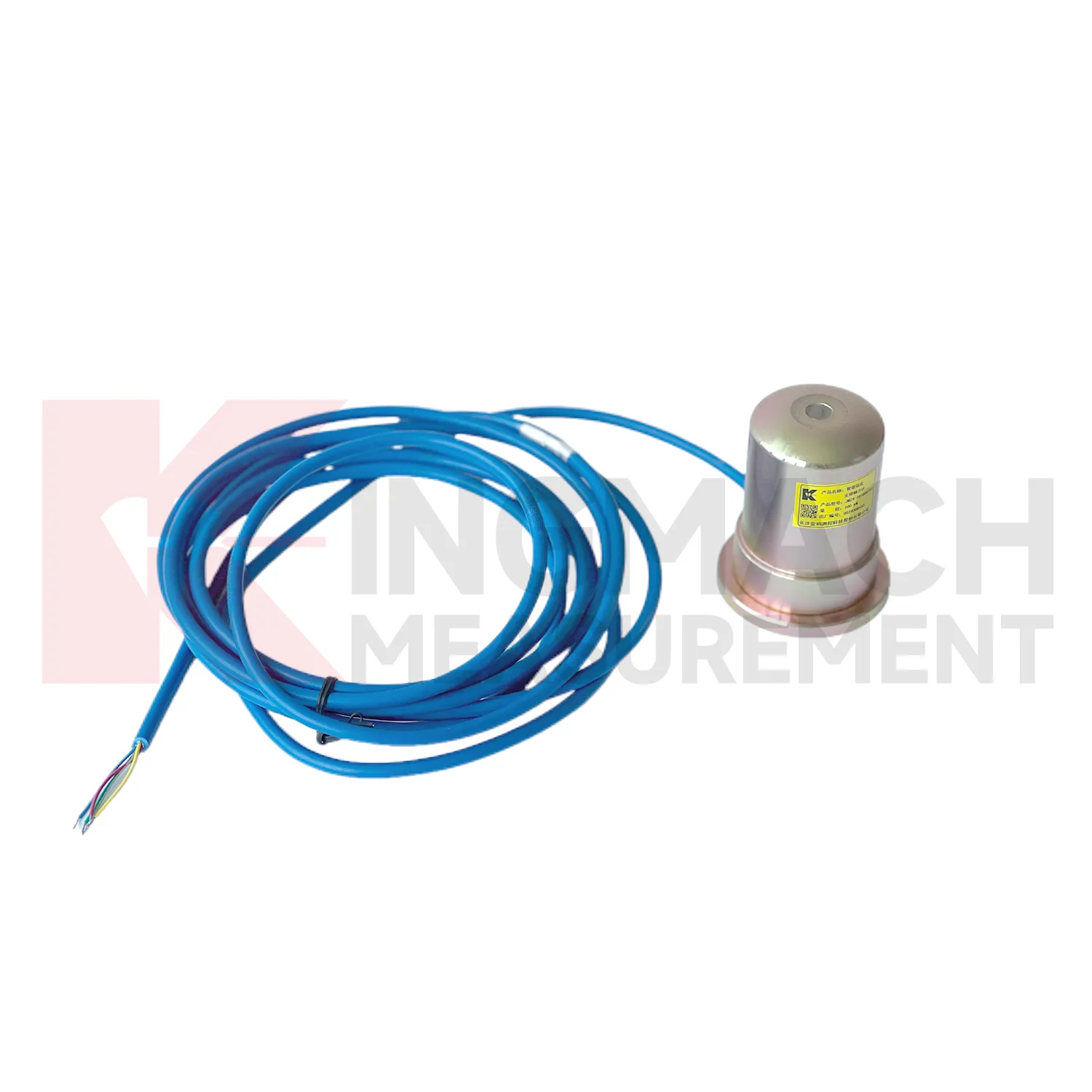
Smart Formwork Axial Force Meter(VW)JMZX-39XXHAT
View Details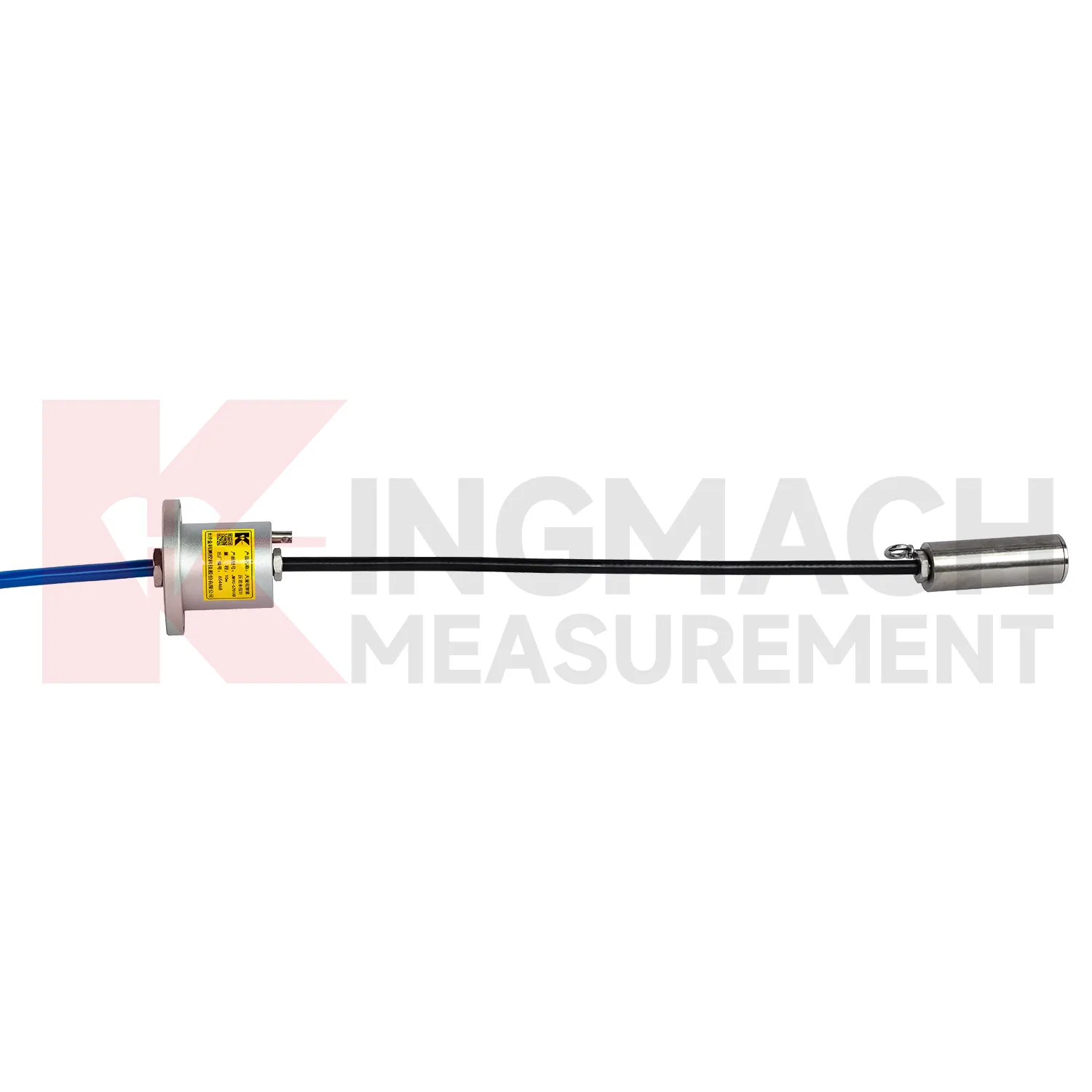
Wide-Range Smart Differential Pressure Water Level Meter JMYC-67XXAD
View DetailsFAQ
It converts tiny resistance changes from the strain gauges into a measurable voltage. A full bridge uses four active gauges—two in tension and two in compression—so the output is roughly twice as sensitive as a half bridge, and it naturally rejects temperature-induced drift.
Measure the input and output resistance with a multimeter. A healthy load cell should match its datasheet specs, often around 350 ohms or 1000 ohms. A significant zero offset or open circuit usually indicates damage or moisture ingress.
Gauge resistance and metal body expansion both shift with temperature. Bridge wiring partly cancels this, but more precise sensors include compensation resistors or are calibrated across a specified temperature range. For long-term outdoor use, Kingmach builds sensors with temperature compensation and weather-sealed gauges to reduce drift.
Yes, but the output signal will be proportionally smaller, which might push it below your instrument’s noise floor. A 2 mV/V load cell excited with 5 V yields a 0–10 mV span; halving the excitation halves that span. Just make sure your signal conditioner can handle the lower signal level.
For projects that need non-standard ranges, mounting configurations, or cable lengths, the company works from existing strain gauge designs and adapts the housing, material, and sealing level. Engineering teams can also provide calibration data and wiring diagrams to simplify integration.
Share your product type, target capacity, and application requirements. Our team can review the details and recommend a practical next step.
If you are interested in our products or want to become our partner.
Please leave your contact information, our team will contact you as soon as possible.
Mail: [email protected]
Contact Us: +8613808434127
Address: No. 188 Tongzipo West Rd, Changsha, Hunan, China