
 EN
EN
 ar
ar bg
bg hr
hr cs
cs da
da nl
nl fi
fi fr
fr de
de el
el hi
hi it
it ko
ko no
no pl
pl pt
pt ro
ro ru
ru es
es sv
sv tl
tl iw
iw id
id lv
lv lt
lt sr
sr sk
sk sl
sl uk
uk vi
vi et
et hu
hu th
th tr
tr fa
fa ms
ms hy
hy ka
ka ur
ur bn
bn mn
mn ta
ta kk
kk uz
uz ku
ku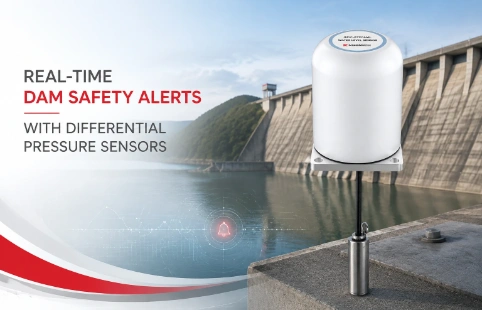
Real-Time Dam Safety Alerts with Differential Pressure Water Level Sensors
Key Takeaways An alert chain needs more than a sensor: define field in...

Load Cell Installation: Avoid These Common Mistakes
Getting load cell installation right isn’t just about following the manual—it’s about understanding how small missteps can throw off your entire monitoring system. Whether you’re working with anchor load cells on a dam project or embedding an inclinometer in a deep excavation, the way you mount and protect the sensor makes all the difference. Kingmach has supplied geotechnical instruments for projects ranging from slope monitoring to foundation testing, and the questions we hear most often are about installation. So we’ve put together this guide covering the key points you need to watch: from surface prep and alignment to cable routing and environmental protection. The goal is to help you avoid the rework and data problems that come from poor installation. We’ll skip the generic advice and focus on what actually matters in the field.
Technical Detail
A load cell is only as good as its installation. At Kingmach, we’ve seen too many well-engineered sensors produce poor data because the mounting bolts weren’t torqued correctly, or the base plate wasn’t flat, or the cable gland let moisture inside. This covers practical installation steps that apply to most load cells—whether it’s a vibrating wire anchor load cell for a retaining wall or a resistive strain gauge load cell for a test pile. Start with surface preparation: a machined, flat surface is non-negotiable. Use feeler gauges to check for gaps; anything more than 0.05 mm can concentrate stress unevenly. Alignment is next—even a 1-degree tilt introduces side load errors. Use built-in alignment aids or a precision bubble level. Torque bolts in a star pattern to the manufacturer’s spec, usually in three stages. Wiring demands attention too: run shielded cables separately from high-voltage lines, ground at one end only, and use surge protectors in lightning-prone areas. Environmental sealing can’t be an afterthought—apply petroleum jelly on O-rings, add drip loops, and shield from direct sunlight to minimize temperature drift. Kingmach instruments come with model-specific manuals, but our technical support team often helps with unusual mounting geometries or field calibration checks. With a wide range of geotechnical sensors and a global network, we can also supply custom mounting fixtures if standard brackets don’t fit your structure. Good installation isn’t hard; it just needs a systematic approach. If you’re staring at a tricky setup, get in touch—we’ll help you think it through before you pour concrete or tension a cable.
News
Key Takeaways An alert chain needs more than a sensor: define field in...
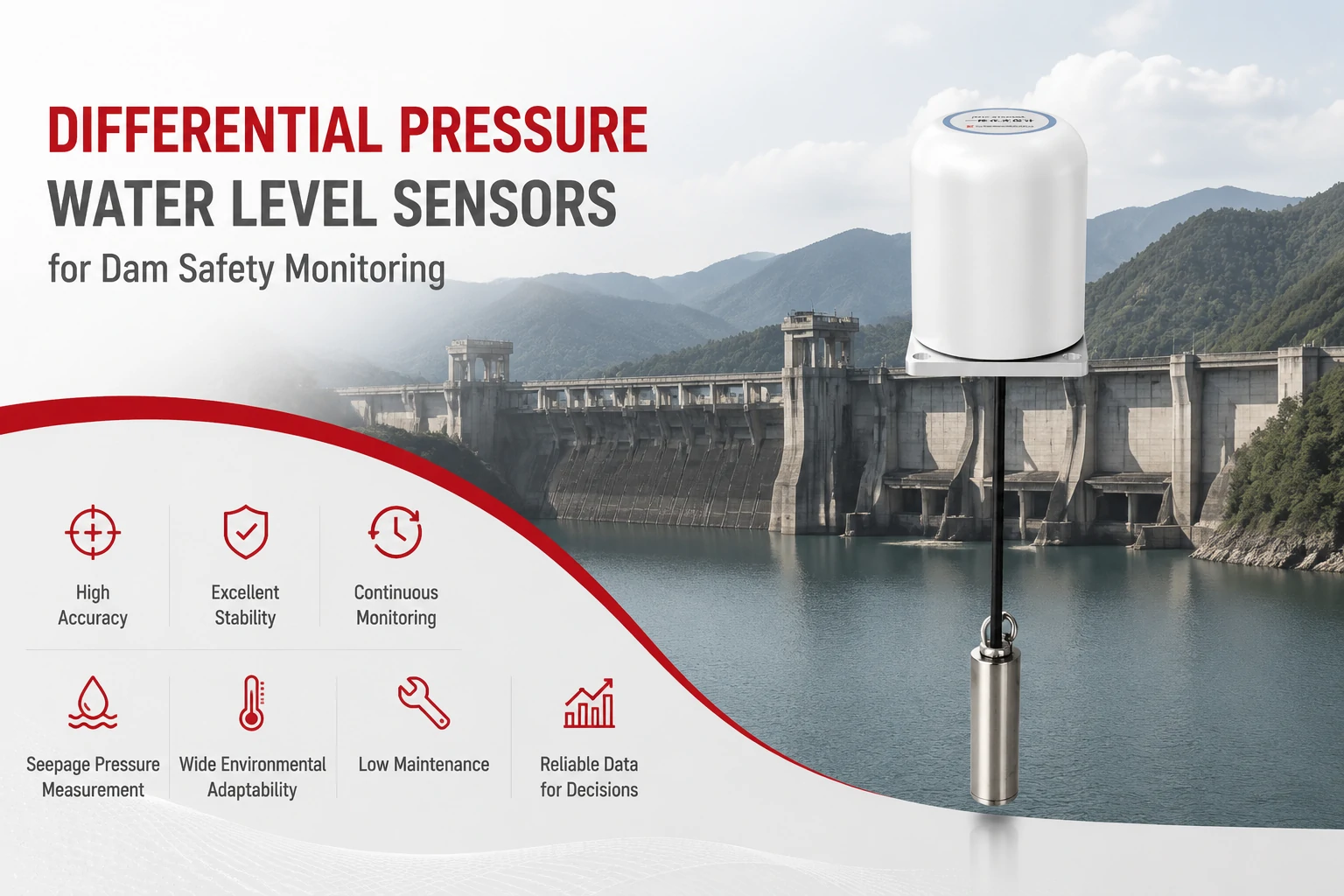
Key Takeaways The strongest fit is usually a confined, submerged, or s...
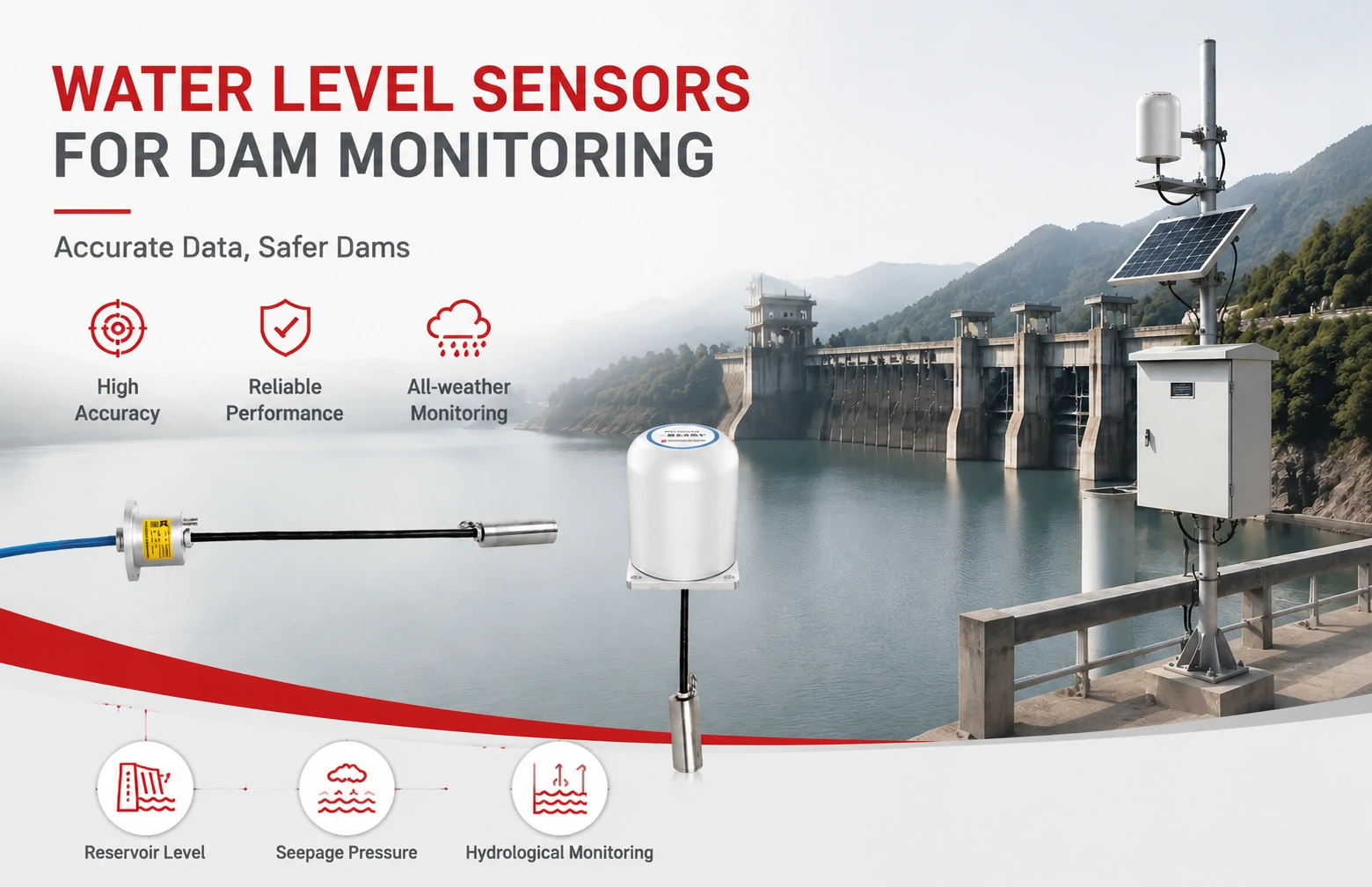
Kingmach Water Level Sensors for Dam Monitoring: A Buyer's Guide to Differential Pre...
Products
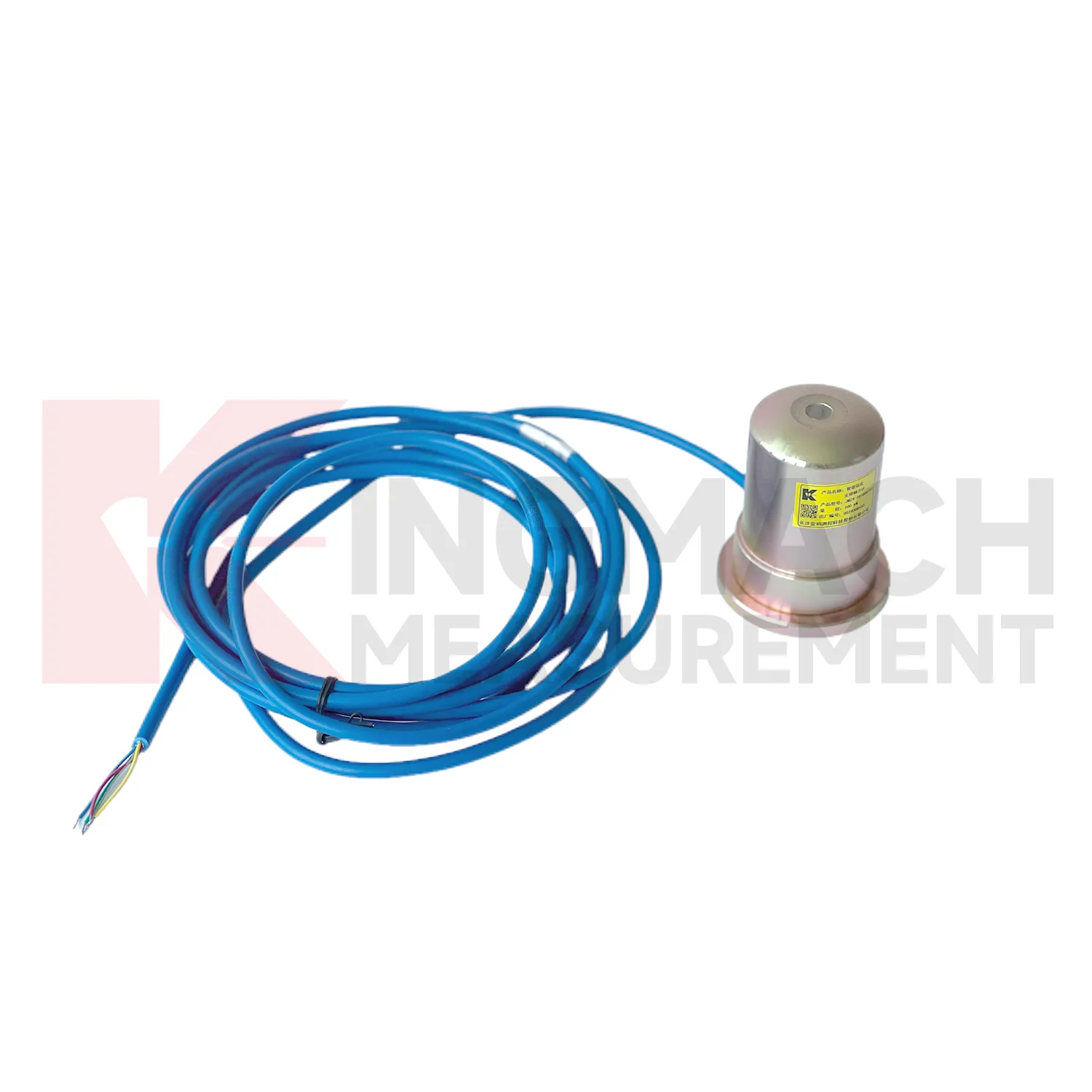
Smart Formwork Axial Force Meter(VW)JMZX-39XXHAT
View Details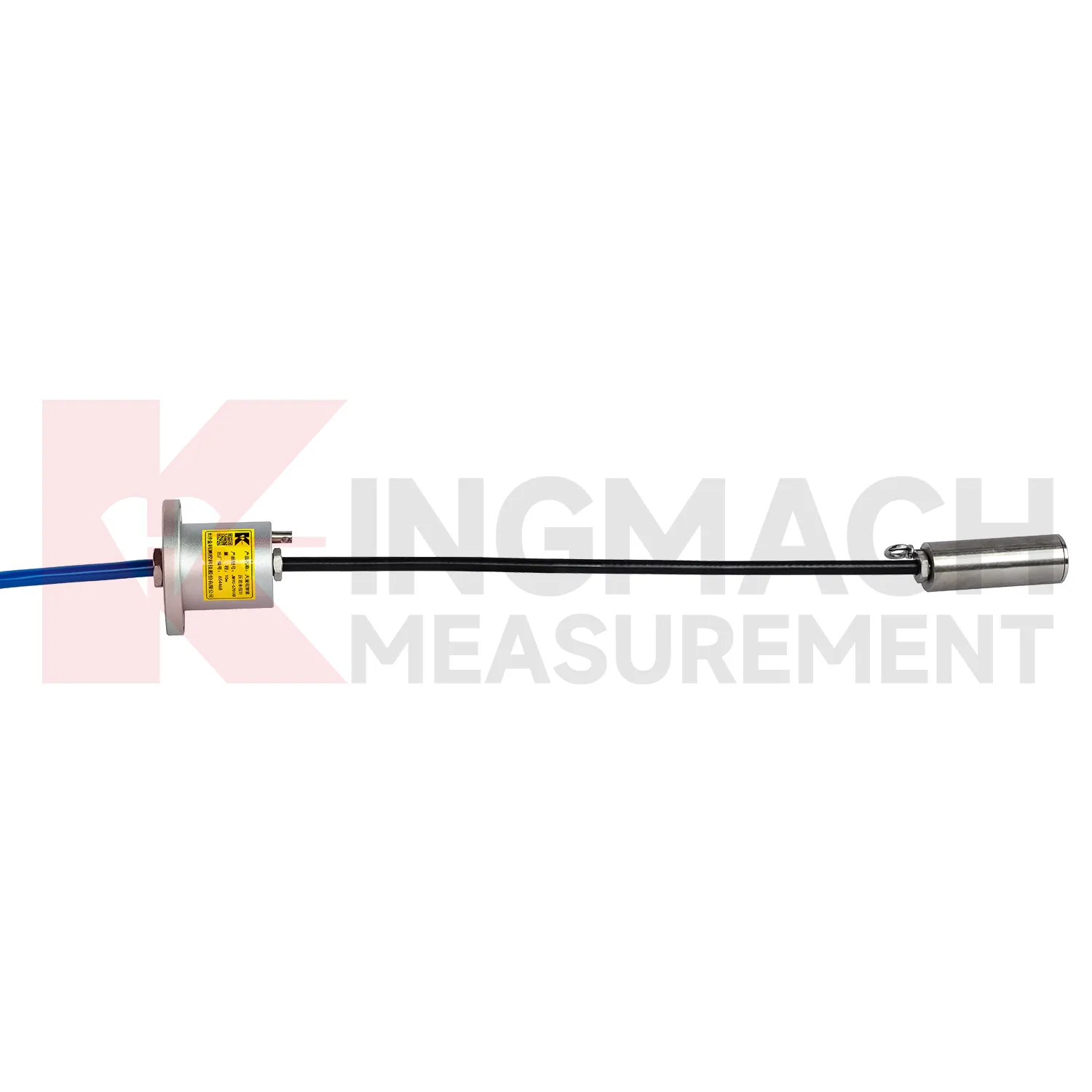
Wide-Range Smart Differential Pressure Water Level Meter JMYC-67XXAD
View Details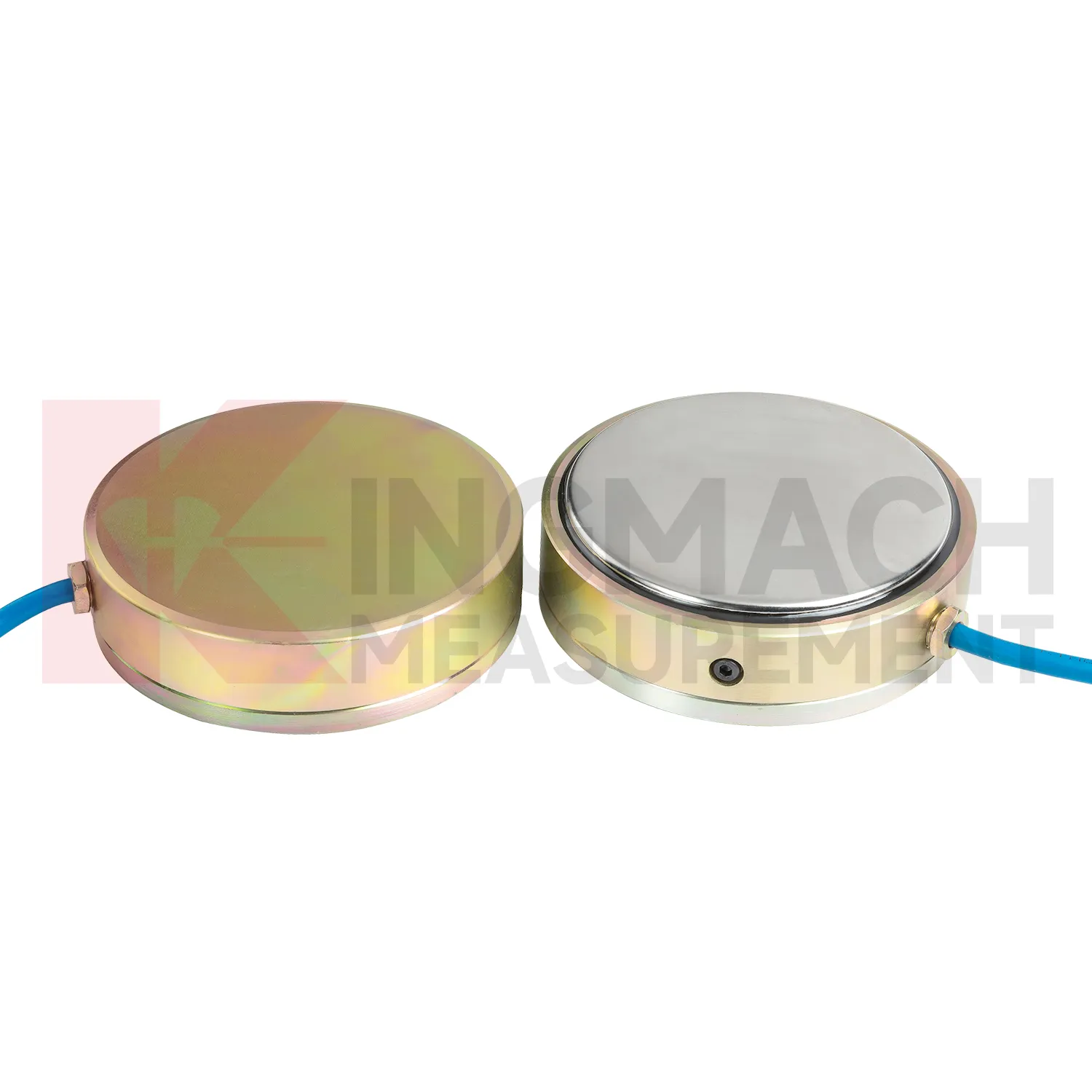
Large Earth Pressure Cell ( VW & Smart Type) JMZX-51XXAT/ ATM
View DetailsFAQ
Surface flatness. Many people bolt the load cell down without checking the mounting surface with a straightedge or feeler gauge. Even small irregularities create uneven loading and can permanently damage the sensor or drift readings over time.
It’s risky. Uneven bolt tension causes warping and off-axis loading. Most load cells specify a bolt torque and tightening sequence. Guessing by feel often leads to early failure or nonlinearity. A basic click-type torque wrench is a sound investment.
Use twisted, shielded instrumentation cable and ground the shield at the readout end only. Run signal cables in steel conduit if possible, and keep well away from power cables. In exposed locations, add surge protectors and consider fiber optic extensions. Kingmach can advise on surge protection for its instruments.
Yes. All load cells have a temperature coefficient. For long-term geotechnical monitoring, either pick a sensor with built-in temperature compensation or log temperature and apply corrections in post-processing. Shading the load cell from direct sun also reduces rapid swings.
Kingmach often fabricates custom mounting hardware for unique structural interfaces—such as curved steel surfaces or existing anchor heads. Send us the drawings or measurements, and we’ll propose a solution that ensures proper alignment and load distribution.
Share your product type, target capacity, and application requirements. Our team can review the details and recommend a practical next step.
If you are interested in our products or want to become our partner.
Please leave your contact information, our team will contact you as soon as possible.
Mail: [email protected]
Contact Us: +8613808434127
Address: No. 188 Tongzipo West Rd, Changsha, Hunan, China