
 EN
EN
 ar
ar bg
bg hr
hr cs
cs da
da nl
nl fi
fi fr
fr de
de el
el hi
hi it
it ko
ko no
no pl
pl pt
pt ro
ro ru
ru es
es sv
sv tl
tl iw
iw id
id lv
lv lt
lt sr
sr sk
sk sl
sl uk
uk vi
vi et
et hu
hu th
th tr
tr fa
fa ms
ms hy
hy ka
ka ur
ur bn
bn mn
mn ta
ta kk
kk uz
uz ku
ku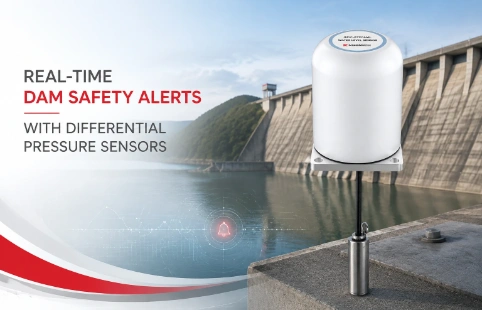
Real-Time Dam Safety Alerts with Differential Pressure Water Level Sensors
Key Takeaways An alert chain needs more than a sensor: define field in...

Load Cell and Amplifier: Practical Integration for Field Monitoring
Most data loggers don’t read millivolt signals directly. A load cell needs a matching amplifier to convert its output into a standardized form—typically 4–20mA or 0–10V. The challenge isn’t just about gain; it’s about keeping the signal clean over long cable runs in damp trenches or vibrating machinery rooms. Kingmach focuses on that practical side: pairing load cells with amplifiers that are tuned to the actual field conditions, not just the spec sheet. Whether you are instrumenting a retaining wall or checking loads on a test pile, the right match avoids hours of troubleshooting later.
Technical Detail
Kingmach builds instruments for geotechnical and structural monitoring, and our approach to load cell and amplifier units is shaped by site reality. Instead of offering generic combinations, we typically recommend amplifiers with adjustable excitation and gain so that one unit can work across several sensor ranges. Two features worth noting: first, the amplifier’s input stage is designed to reject common-mode noise—helpful when you cannot avoid running cables near power lines. Second, we often add a local display for on-site checks, which saves time during installation. These are not high-end lab instruments; they are built for the moderate cost and reliability that mid-sized projects require. The product line covers both analog and digital outputs, and we keep a stock of common sensors and amplifiers for fast delivery. Technical support includes wiring advice and field calibration guidance, because a load cell and amplifier setup can drift if the zero point isn’t set correctly after shipping.
News
Key Takeaways An alert chain needs more than a sensor: define field in...
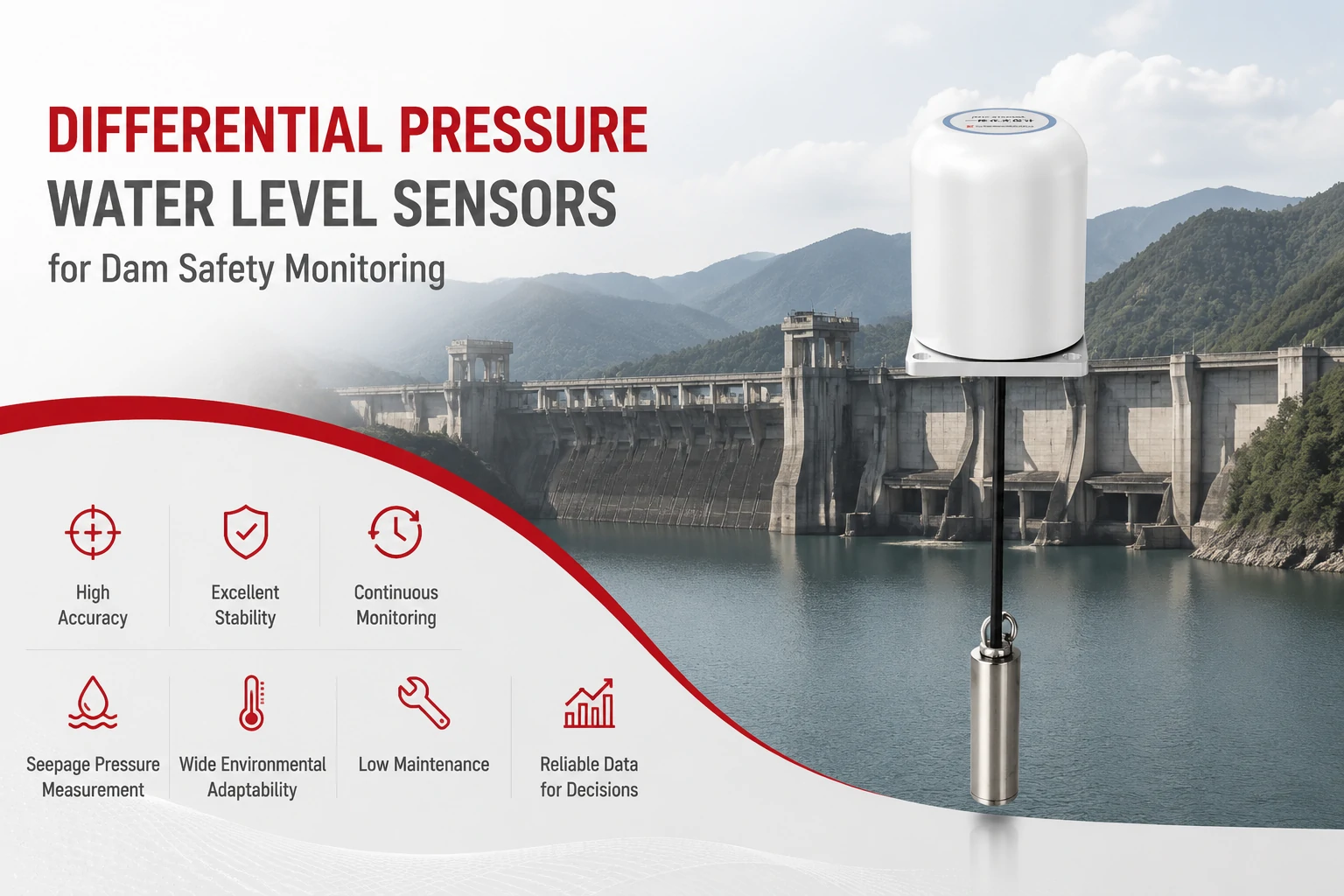
Key Takeaways The strongest fit is usually a confined, submerged, or s...
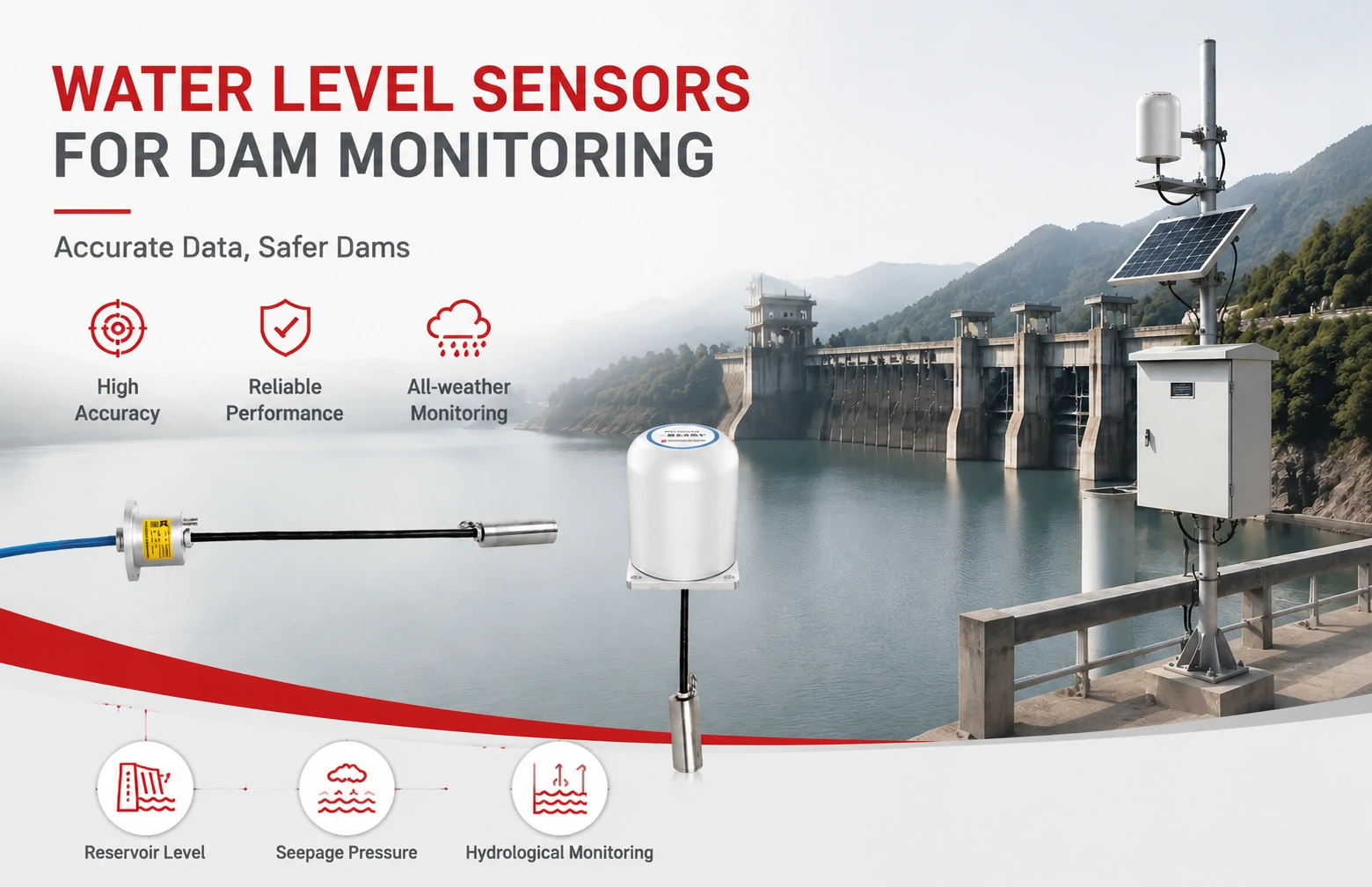
Kingmach Water Level Sensors for Dam Monitoring: A Buyer's Guide to Differential Pre...
Products
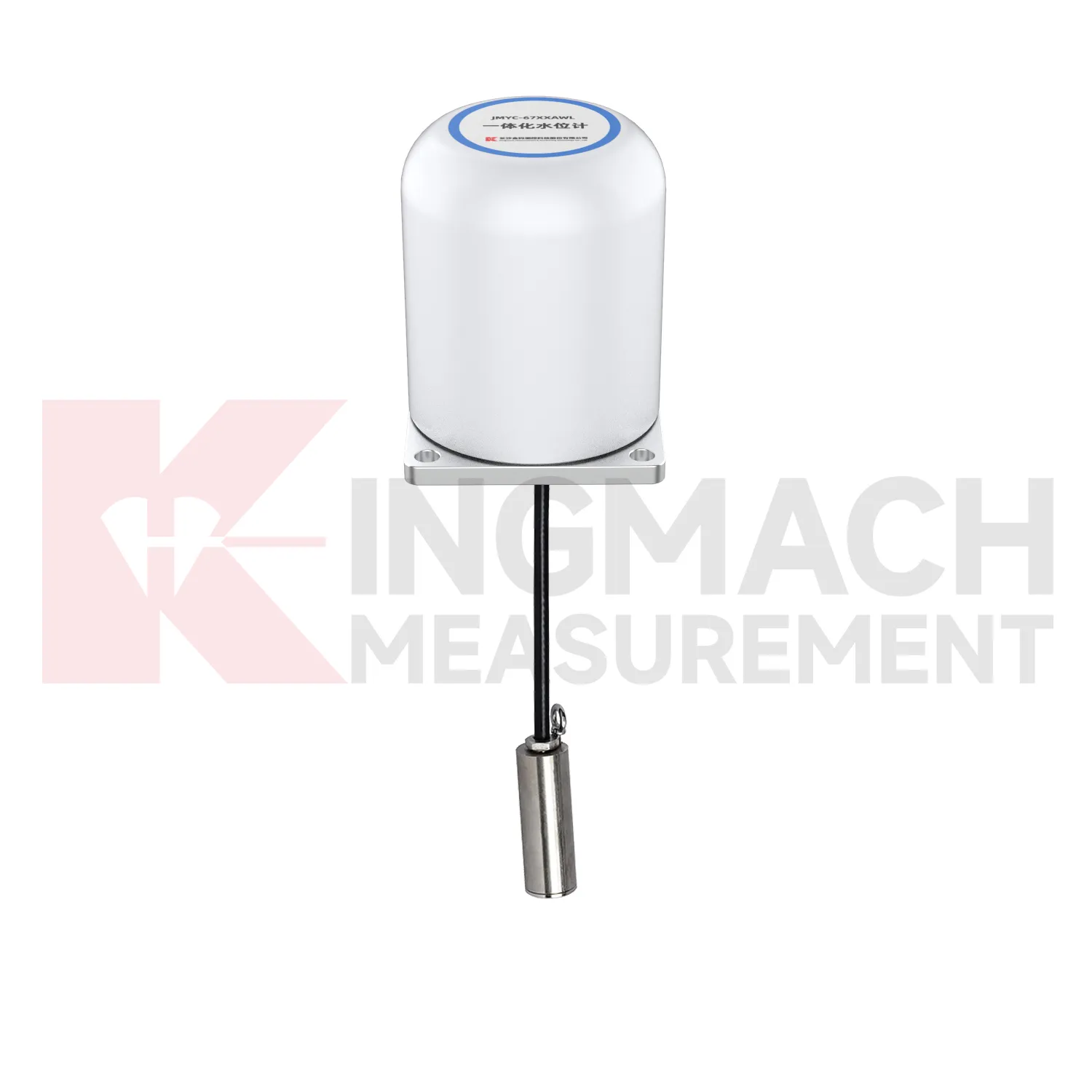
Integrated Wide-Range Differential Pressure Water Level Meter JMYC-67XXAWL
View Details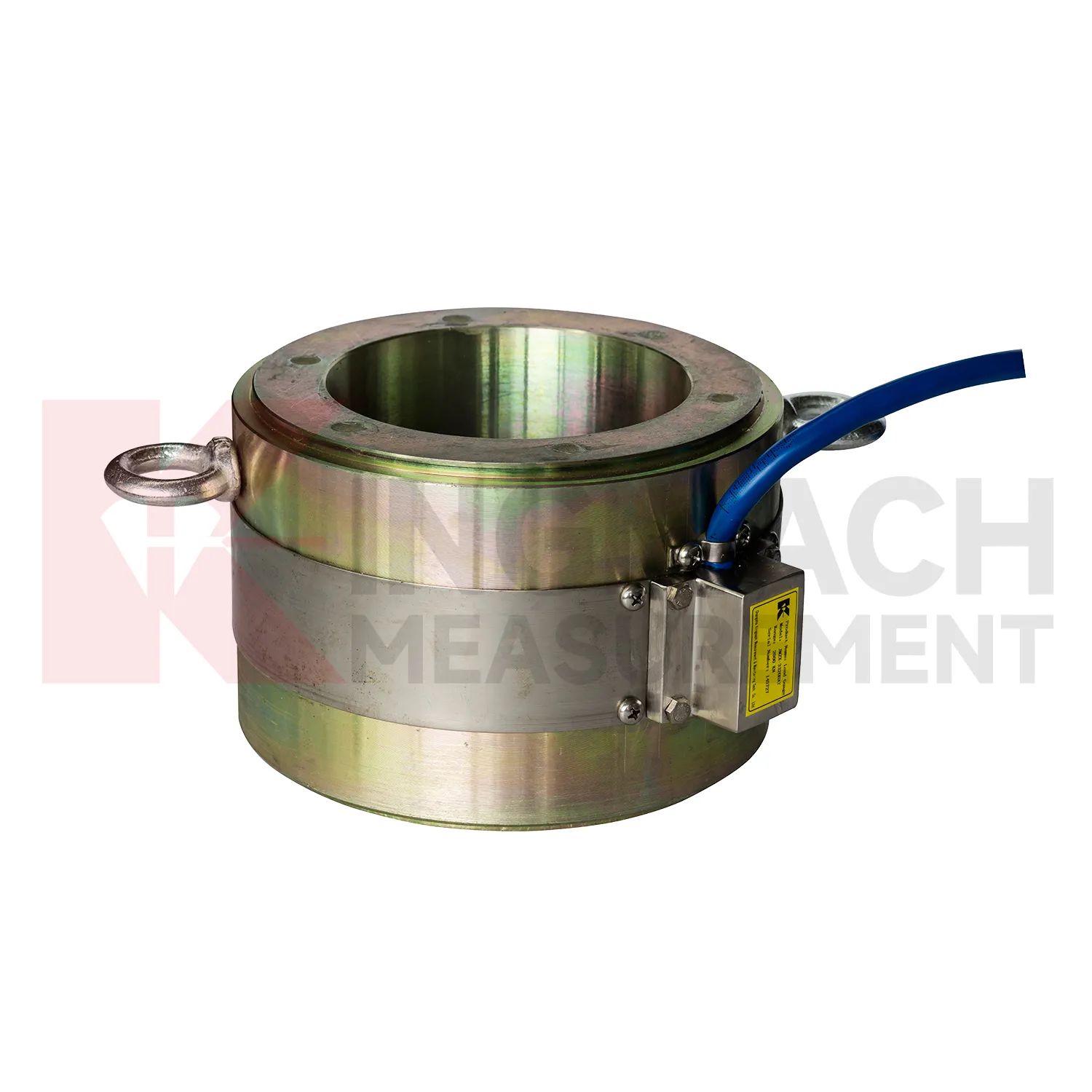
Large Earth Pressure Cell ( VW & Smart Type) JMZX-51XXAT/ ATM
View DetailsFAQ
Not necessarily. If the load cells are spaced far apart, it’s usually better to give each one its own amplifier to avoid long, low-level signal cables. For closely grouped sensors, a multi-channel amplifier can handle several inputs, but you lose some flexibility in gain settings.
Current (4–20mA) is preferred in most field setups because it resists electrical noise over long distances. Voltage output (0–10V) works well inside controlled cabinets. Kingmach can configure the amplifier to either format before shipment.
Yes. We set the amplifier’s excitation voltage and gain to match the load cell’s sensitivity and capacity, whether it’s our sensor or another brand. Just supply the calibration data and we’ll configure the amplifier accordingly.
The main fixes are using shielded twisted-pair cable, securing all connections in waterproof boxes, and selecting an amplifier with good common-mode rejection. We can also add passive filtering at the amplifier input if you know the dominant noise frequency.
Aside from visual inspections for cable damage, you should verify the zero output periodically—especially if the installation is exposed to temperature swings. Most drift issues trace back to poor grounding or moisture ingress, not the electronics themselves.
Share your product type, target capacity, and application requirements. Our team can review the details and recommend a practical next step.
If you are interested in our products or want to become our partner.
Please leave your contact information, our team will contact you as soon as possible.
Mail: [email protected]
Contact Us: +8613808434127
Address: No. 188 Tongzipo West Rd, Changsha, Hunan, China