
 EN
EN
 ar
ar bg
bg hr
hr cs
cs da
da nl
nl fi
fi fr
fr de
de el
el hi
hi it
it ko
ko no
no pl
pl pt
pt ro
ro ru
ru es
es sv
sv tl
tl iw
iw id
id lv
lv lt
lt sr
sr sk
sk sl
sl uk
uk vi
vi et
et hu
hu th
th tr
tr fa
fa ms
ms hy
hy ka
ka ur
ur bn
bn mn
mn ta
ta kk
kk uz
uz ku
ku
Real-Time Dam Safety Alerts with Differential Pressure Water Level Sensors
Key Takeaways An alert chain needs more than a sensor: define field in...

Load Cell Accuracy Calculation: What You Need to Know
Calculating load cell accuracy isn’t just about a single number. It involves multiple error sources that combine to define how close a measurement comes to the true value. Engineers often look at parameters like nonlinearity, hysteresis, and repeatability, each expressed as a percentage of full scale. Temperature shifts add another layer of complexity, influencing both zero balance and sensitivity. For field monitoring—whether in geotechnical projects or structural health assessments—these calculations matter because they directly affect data reliability. Kingmach Measurement & Monitoring Technology, a professional manufacturer of geotechnical instruments, works with these variables daily. Their load cells are designed to keep these errors small and predictable, which simplifies the accuracy calculation in practice. Rather than starting from scratch, many users rely on the datasheet specifications provided by manufacturers like Kingmach to estimate total error. This approach saves time while still giving a realistic picture of sensor performance. The real skill lies in understanding which errors dominate in a given application and how to combine them mathematically.
Technical Detail
When you dig into load cell accuracy calculation, the first thing you see is a list of individual error specifications. Nonlinearity tells you the maximum deviation from a straight line between zero and full load. Hysteresis reflects the difference in output when loading and unloading the same weight. Repeatability measures consistency under identical conditions. Each of these is typically given as a percentage of rated output or full scale. A common practice is to calculate the root sum square (RSS) of these errors to estimate total static error. For example, if nonlinearity is 0.03% F.S., hysteresis 0.02% F.S., and repeatability 0.01% F.S., the combined error is about 0.037% F.S. using RSS. This method assumes the errors are independent and normally distributed. Temperature effects complicate things further. Load cells have specified temperature coefficients for zero and sensitivity, such as ±0.002% F.S./°C and ±0.0015% of reading/°C. Over a 20°C shift, these could add 0.04% F.S. and 0.03% of reading. Adding these to the static error requires careful consideration of the actual temperature range and whether the errors act in the same direction. Kingmach load cells, commonly used in geotechnical monitoring, come with datasheets that list these parameters. Their products are calibrated to meet industry standards, so the numbers you see are consistent. For critical applications, custom calibration reports provide the exact figures you need for accuracy calculations. This transparency helps users make informed decisions without guesswork. Compatibility with data loggers and signal conditioners also plays a role. The overall system accuracy depends on the entire measurement chain. When calculating load cell accuracy, always check the excitation voltage stability and the resolution of the readout device. Those can become the limiting factors. By understanding these fundamentals, engineers can optimize their monitoring setups for real-world conditions.
News
Key Takeaways An alert chain needs more than a sensor: define field in...
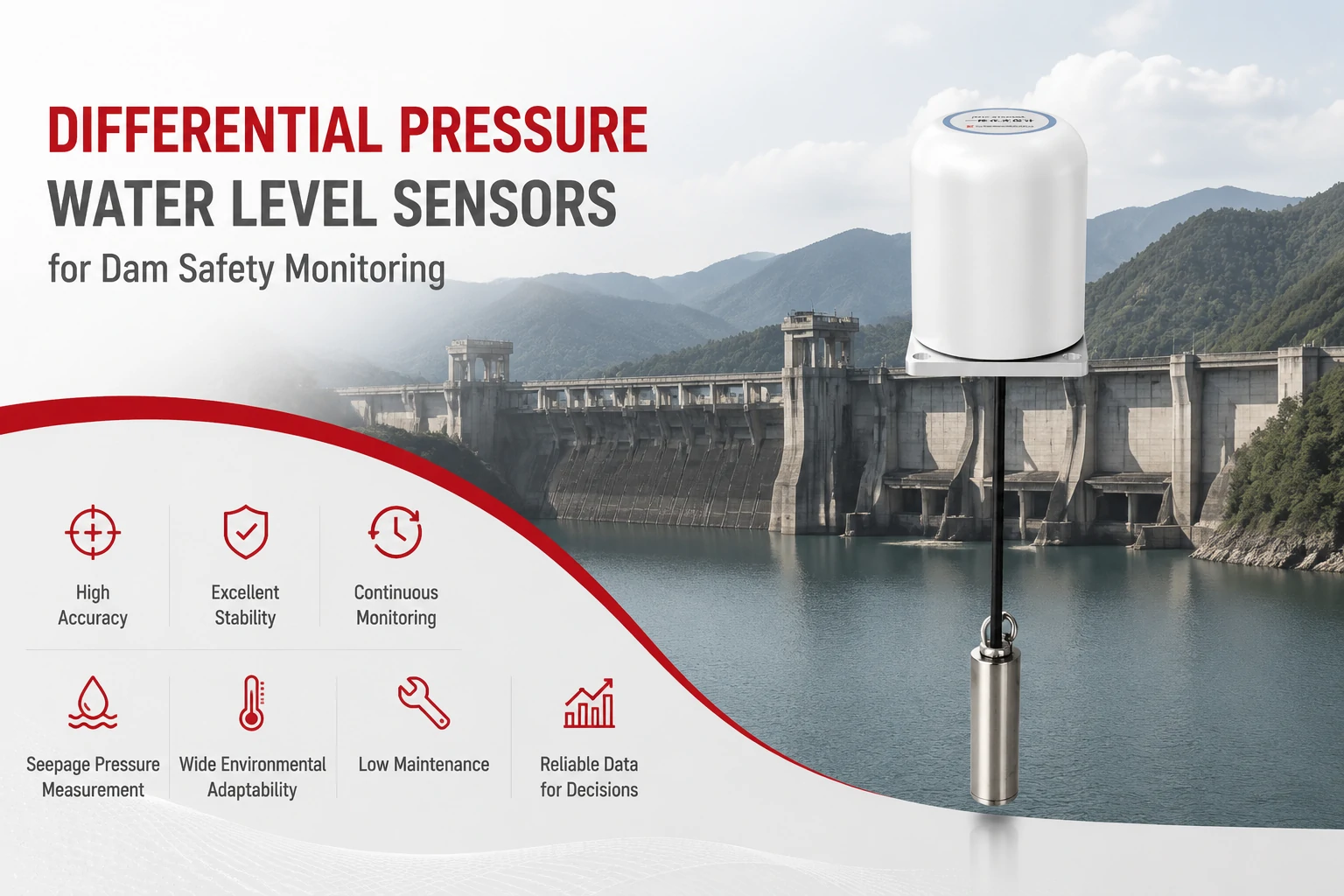
Key Takeaways The strongest fit is usually a confined, submerged, or s...

Kingmach Water Level Sensors for Dam Monitoring: A Buyer's Guide to Differential Pre...
Products
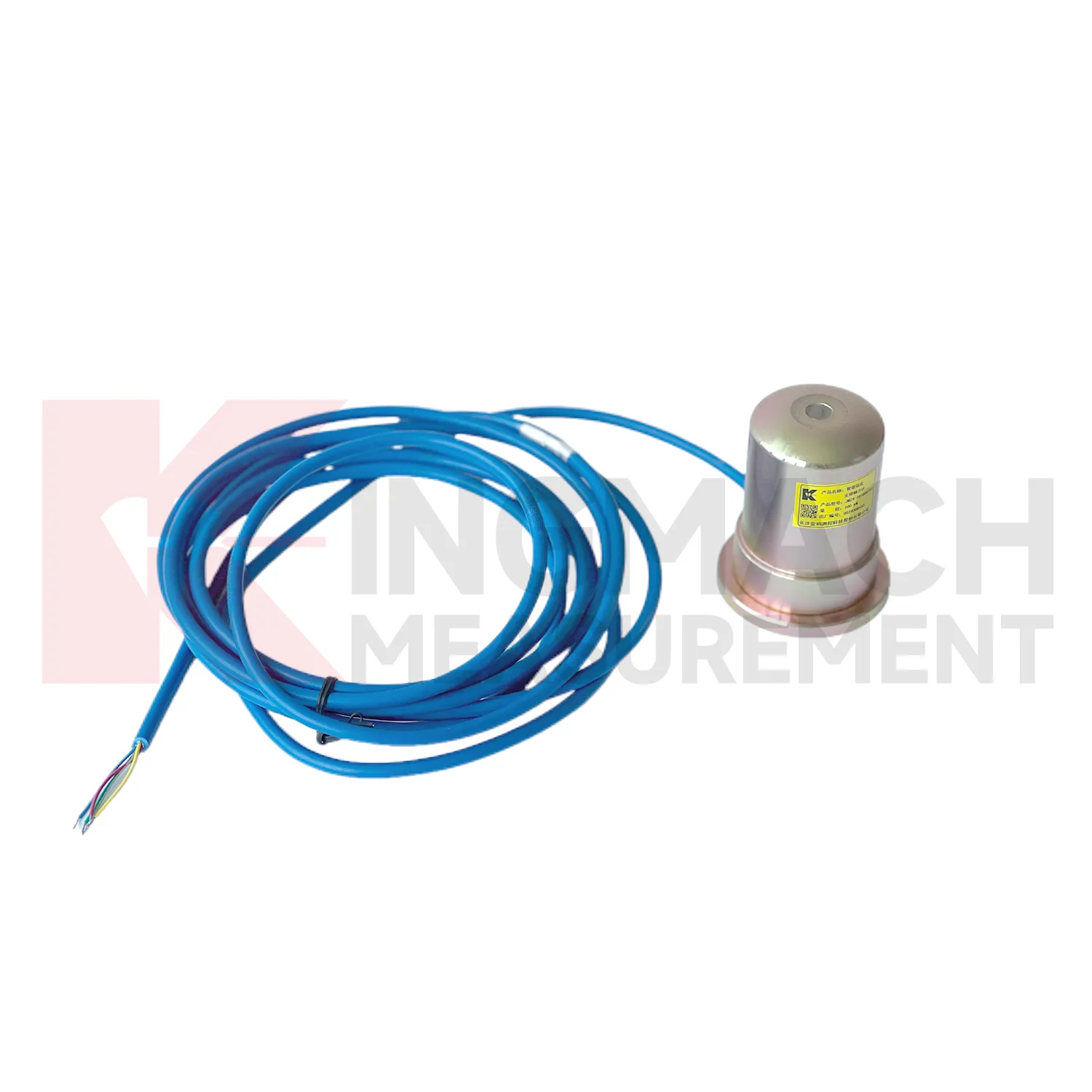
Smart Formwork Axial Force Meter(VW)JMZX-39XXHAT
View Details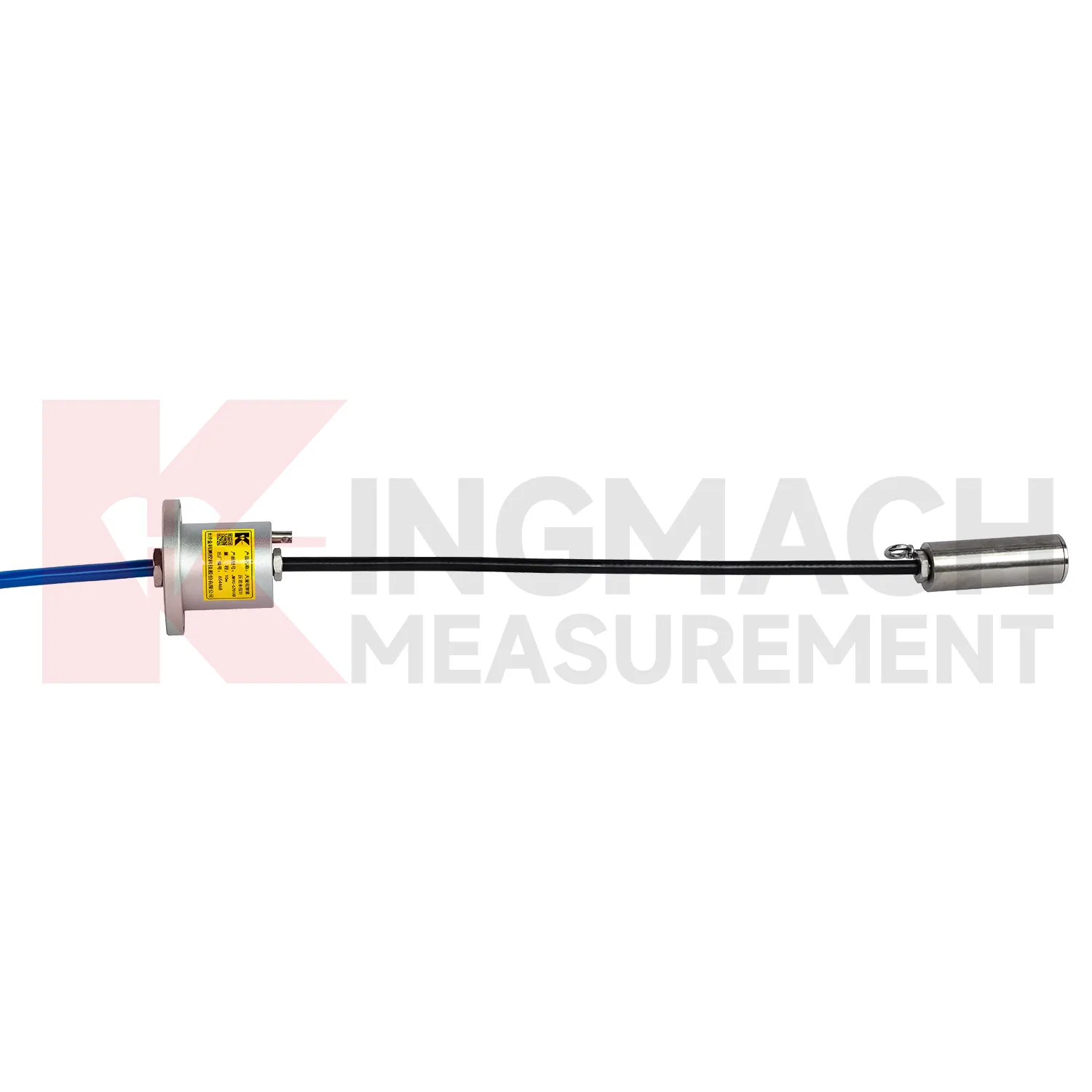
Wide-Range Smart Differential Pressure Water Level Meter JMYC-67XXAD
View Details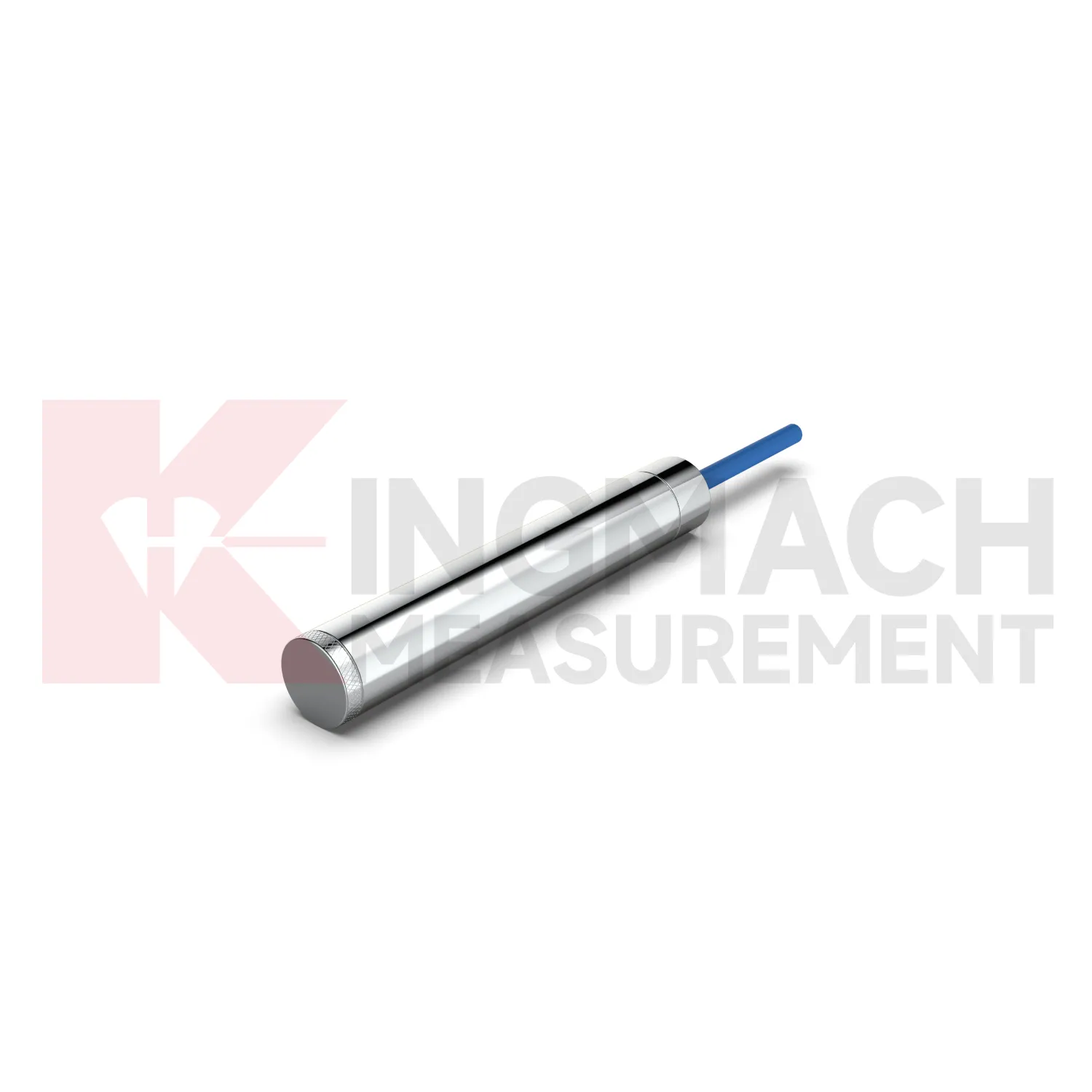
Smart Vibrating Wire PiezometerSmart Piezometers (VW) JMZX-55XXHAT
View DetailsFAQ
Total error is often estimated by taking the root sum square (RSS) of individual errors such as nonlinearity, hysteresis, and repeatability. For instance, if nonlinearity is 0.03% F.S., hysteresis 0.02% F.S., and repeatability 0.01% F.S., the combined static error is √(0.03² + 0.02² + 0.01²) ≈ 0.037% F.S. Temperature effects are then added based on the expected temperature range and the temperature coefficients from the datasheet.
Accuracy refers to how close a measurement is to the true value, while precision is about repeatability. A load cell can be precise but not accurate if it has a systematic error like a zero offset. Accuracy calculations include both systematic and random components.
Temperature changes cause zero drift and sensitivity drift. Zero drift is typically expressed as a percentage of full scale per degree Celsius, and sensitivity drift as a percentage of reading per degree. Over a wide temperature swing, these can become the dominant error sources, especially in outdoor monitoring applications.
It’s a convenient way to express error across the measurement range. For example, a 0.05% F.S. error on a 100 kN load cell means ±50 N at any point. This simplifies accuracy calculations because the absolute error is constant regardless of applied load, which works well for most engineering estimates.
Calibration corrects systematic errors by adjusting the output to match known reference loads. While it can’t eliminate random errors like repeatability, a proper multi-point calibration can significantly reduce nonlinearity and hysteresis effects. Kingmach provides calibration services that allow users to achieve better effective accuracy than the standard specifications suggest.
Share your product type, target capacity, and application requirements. Our team can review the details and recommend a practical next step.
If you are interested in our products or want to become our partner.
Please leave your contact information, our team will contact you as soon as possible.
Mail: [email protected]
Contact Us: +8613808434127
Address: No. 188 Tongzipo West Rd, Changsha, Hunan, China