
 EN
EN
 ar
ar bg
bg hr
hr cs
cs da
da nl
nl fi
fi fr
fr de
de el
el hi
hi it
it ko
ko no
no pl
pl pt
pt ro
ro ru
ru es
es sv
sv tl
tl iw
iw id
id lv
lv lt
lt sr
sr sk
sk sl
sl uk
uk vi
vi et
et hu
hu th
th tr
tr fa
fa ms
ms hy
hy ka
ka ur
ur bn
bn mn
mn ta
ta kk
kk uz
uz ku
ku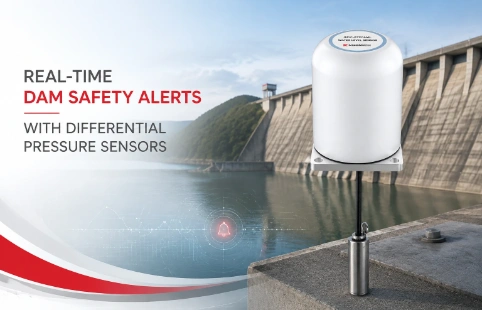
Real-Time Dam Safety Alerts with Differential Pressure Water Level Sensors
Key Takeaways An alert chain needs more than a sensor: define field in...

Force Measurement Using Strain Gauge Technology
On a construction site or in a structural monitoring project, getting force readings right isn't optional—it's the difference between a safe asset and a risk. Strain gauge force measurement works on a straightforward principle: an elastic element deforms under load, a bonded strain gauge changes resistance, and that signal tells you how much force is present. Kingmach, as a professional manufacturer of geotechnical instruments, builds this concept into a broad range of sensors—anchor load cells, rebar strain meters, earth pressure cells, and more. These aren't off-the-shelf toys; they're designed for real field conditions, from sub-zero cold to high humidity, with temperature compensation built into the sensing element. Typical ranges go from a few kilonewtons to several thousand, and if a standard model doesn't fit, customization covers bolt patterns, cable lengths, and mounting details. From bridge bearing monitoring to deep excavation strut loads, these sensors have been used in projects across Asia, the Middle East, and South America. With a global distributor network and engineers who can talk through installation challenges, getting the right sensor isn't usually the hard part—understanding the data is where support really counts.
Technical Detail
Most force transducers you'll see on a monitoring project share a common heart: the electrical resistance strain gauge. Kingmach's catalog includes load cells specifically designed for anchor tension measurement, compression load cells for strut monitoring, and specialized earth pressure cells that capture stress distributions in soil or at concrete interfaces. Each sensor starts with a high-quality sensing element—typically a foil strain gauge engineered for minimal drift over time. The elastic body is machined from alloy steel or stainless steel, depending on corrosion requirements, and goes through a thermal cycling process to relieve residual stress before the gauges are bonded. Temperature compensation is often addressed at the bridge circuit level, using dummy gauges or self-compensated patterns so that thermal output stays within a few microstrain per degree Celsius. On-site, installation is rarely plug-and-play, but Kingmach's documentation includes surface preparation guides, adhesive curing schedules, and waterproofing steps for submerged applications. Data readers from simple handheld indicators to automated logging systems can connect via standard 4–20 mA, RS-485, or vibrating wire interfaces—though Kingmach focuses on conventional electrical output, partners offer vibrating wire alternatives for long-term stability. Because no sensor works forever without check-ups, Kingmach maintains a network of distributors that stock common spare parts and can arrange periodic calibration checks either in a local lab or via reference load cells in the field.
News
Key Takeaways An alert chain needs more than a sensor: define field in...
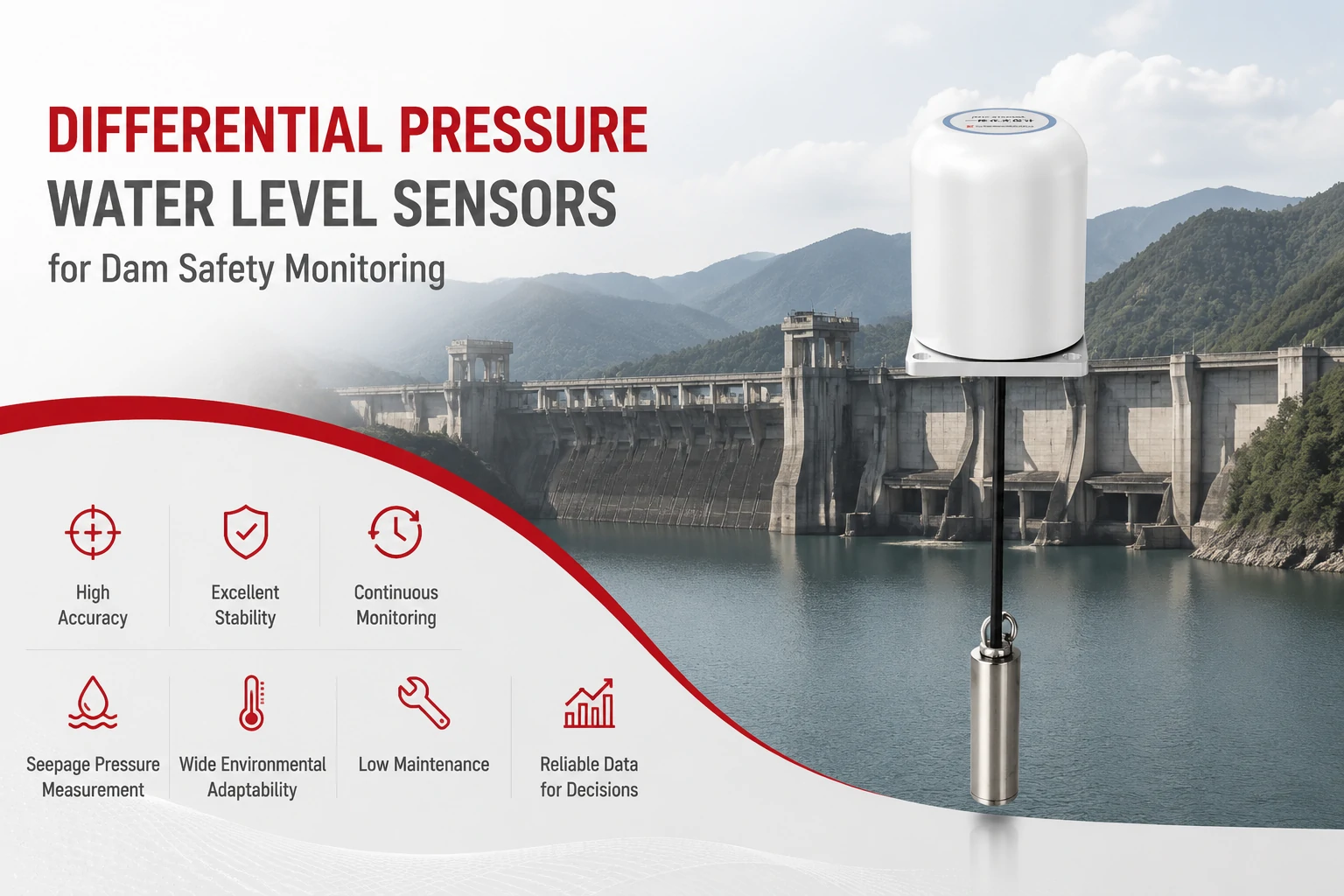
Key Takeaways The strongest fit is usually a confined, submerged, or s...
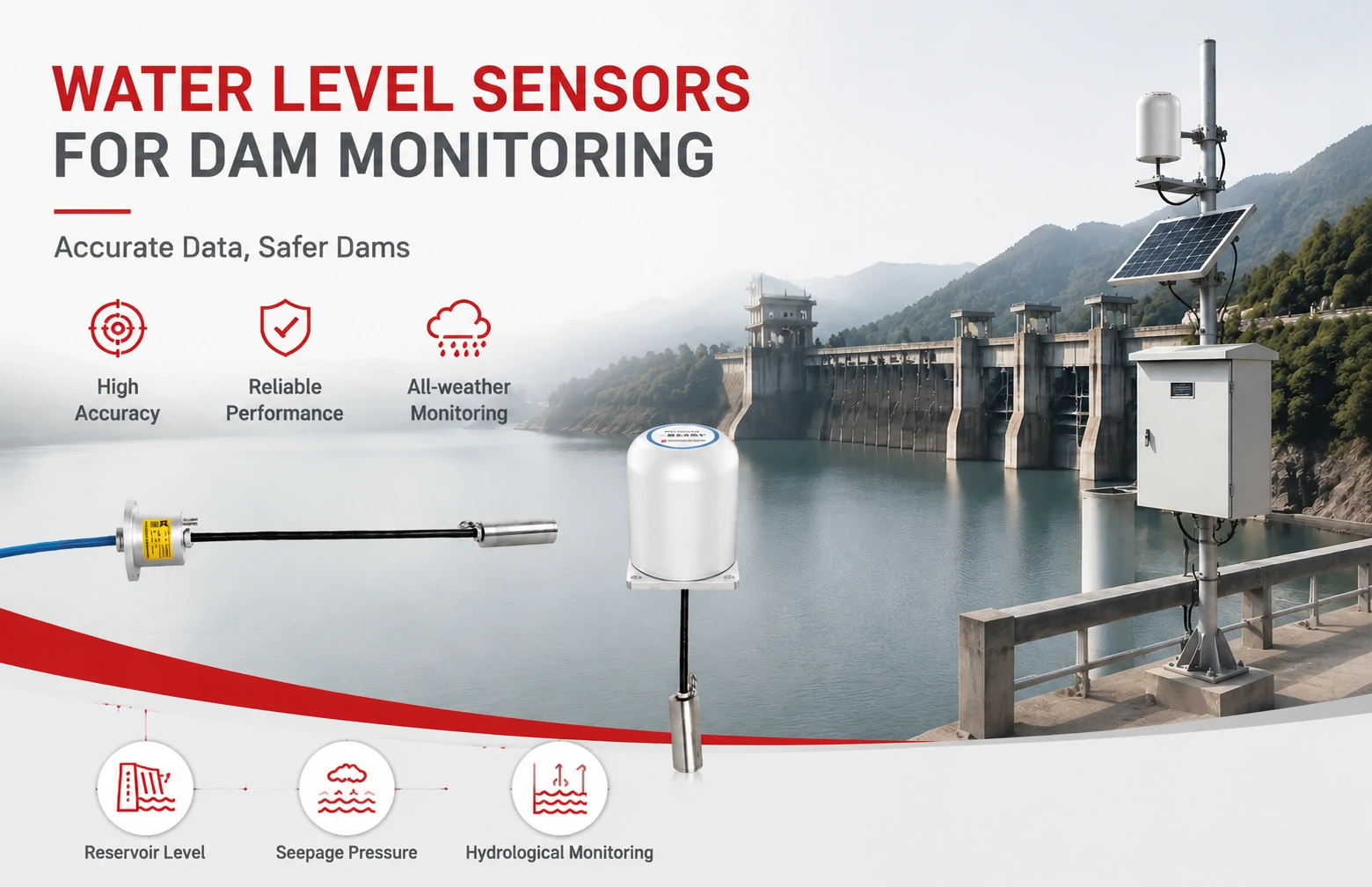
Kingmach Water Level Sensors for Dam Monitoring: A Buyer's Guide to Differential Pre...
Products
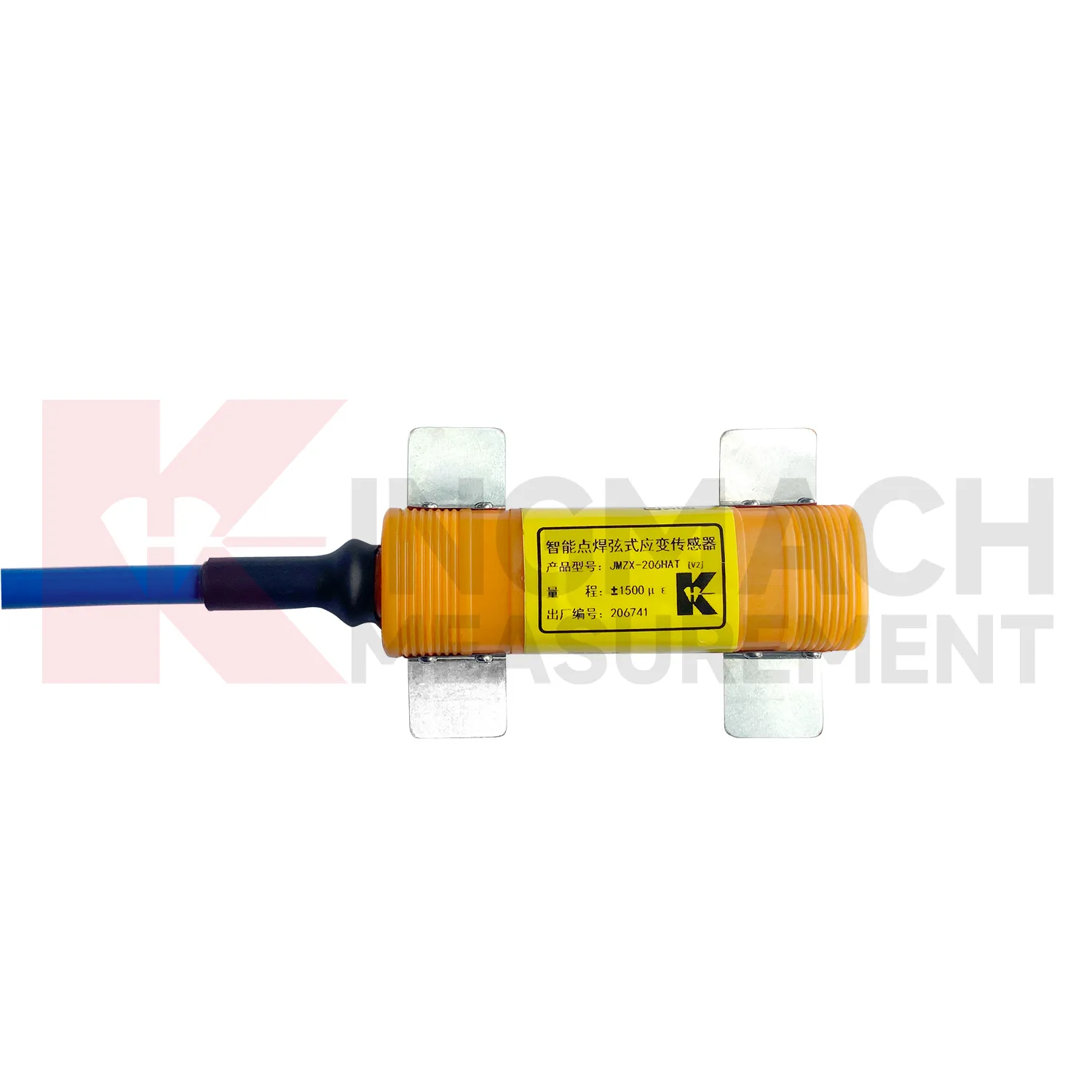
Smart vibrating wire strain gauge (surface welded model) JMZX-206HAT
View Details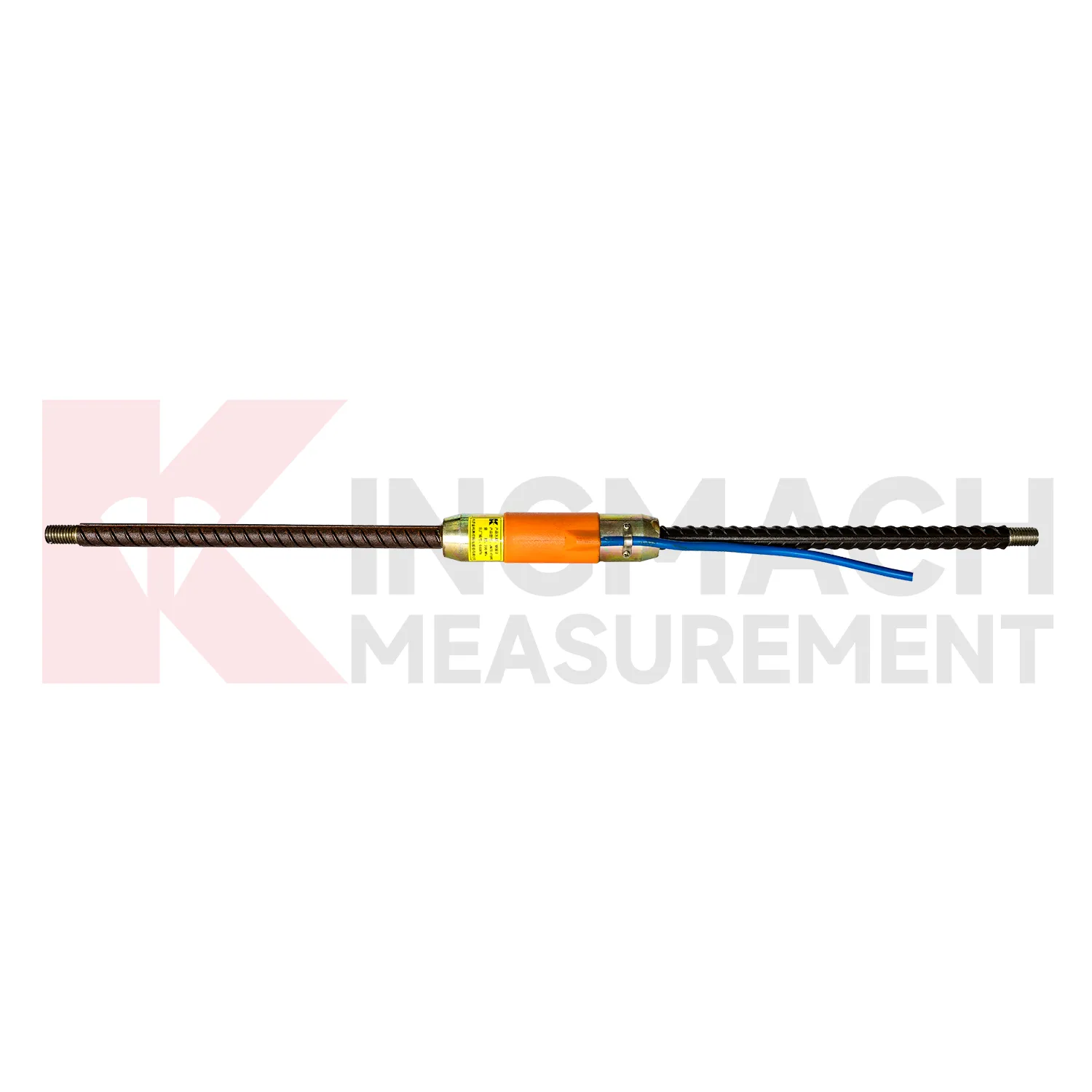
Rebar Strainmeters ( VW & Smart Type) JMZX-4XXHAT/HB
View Details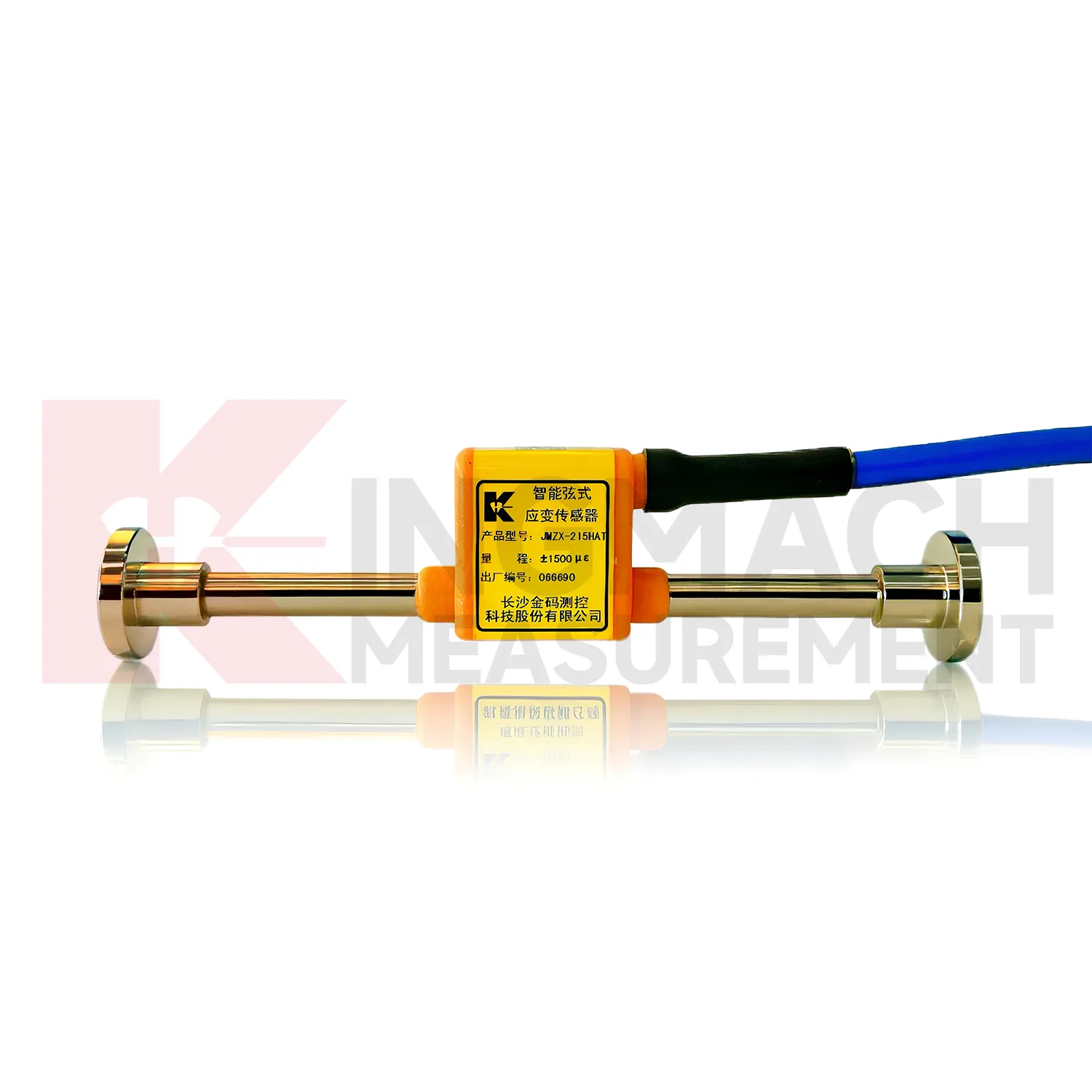
Smart vibrating wire strain gauge (embedment model) JMZX-215HA/215HAT/HB
View DetailsFAQ
When the load cell's elastic element deforms under force, the bonded strain gauge stretches or compresses, changing its electrical resistance. A Wheatstone bridge circuit converts this tiny resistance change into a voltage output proportional to the applied force. The output is then scaled to engineering units via calibration.
Most industrial-grade strain gauge load cells achieve 0.1% to 0.5% full-scale accuracy. Temperature effects are usually compensated to within ±0.02% of full scale per °C, but this varies by design. For critical monitoring, give the sensor time to acclimate on site before taking readings.
Some designs, like S-beam or column load cells, can measure both, but you need to check the manufacturer's specs. Bidirectional calibration is standard on Kingmach anchor load cells, so you can track both pull-out force and residual load.
Longevity depends on waterproofing and corrosion protection. With proper cable sealing, stainless steel housing, and backfill care, these sensors have remained functional for over a decade in many geotechnical projects. Routine surface inspection isn't possible once buried, so install redundancy if you can.
Most strain gauge sensors output low-level voltage or 4–20 mA signals. A data logger with stable excitation voltage and high input impedance works best. For simple spot checks, a handheld indicator matched to the sensor's calibration sheet is enough—just don't expect a $50 multimeter to give reliable readings.
Share your product type, target capacity, and application requirements. Our team can review the details and recommend a practical next step.
If you are interested in our products or want to become our partner.
Please leave your contact information, our team will contact you as soon as possible.
Mail: [email protected]
Contact Us: +8613808434127
Address: No. 188 Tongzipo West Rd, Changsha, Hunan, China