
 EN
EN
 ar
ar bg
bg hr
hr cs
cs da
da nl
nl fi
fi fr
fr de
de el
el hi
hi it
it ko
ko no
no pl
pl pt
pt ro
ro ru
ru es
es sv
sv tl
tl iw
iw id
id lv
lv lt
lt sr
sr sk
sk sl
sl uk
uk vi
vi et
et hu
hu th
th tr
tr fa
fa ms
ms hy
hy ka
ka ur
ur bn
bn mn
mn ta
ta kk
kk uz
uz ku
ku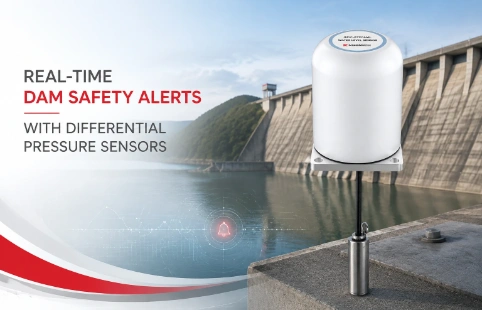
Real-Time Dam Safety Alerts with Differential Pressure Water Level Sensors
Key Takeaways An alert chain needs more than a sensor: define field in...

Digital Load Cells for Demanding Monitoring Projects
Getting stable, drift-free readings from a load cell on a construction site isn’t always straightforward. Moisture, temperature swings, and long cable runs can turn a simple weighing task into a headache. That’s where digital load cells start to make sense for monitoring work. Kingmach, a specialist in geotechnical instruments, offers digital load cells that help engineers track anchor forces, strut loads, or pile testing with less worry about signal degradation. Unlike analog sensors that send a tiny voltage down the line, these units convert the measurement right at the load point. The result is a cleaner digital signal that holds up better over distance and time. For projects that demand consistent data from load cells embedded in concrete, mounted on steel beams, or left outdoors for months, the digital approach can save hours of troubleshooting and recalibration.
Technical Detail
Kingmach Measurement & Monitoring Technology Co., Ltd. builds digital load cells for geotechnical and structural monitoring where reliability matters. The sensors use strain gauge technology with onboard digitization, so the signal leaving the sensor is already a robust digital stream—typically RS-485 or CAN bus—rather than a faint millivolt output. This reduces the impact of electrical noise on long cable runs common at construction sites, dams, or slope stabilization projects. The load cells include built-in diagnostics that report overload events, temperature inside the housing, and sensor health, which helps maintenance teams spot issues before they affect data. Some models incorporate Lightning Protection to withstand exposed outdoor installations. Calibration data, including linearity and temperature compensation coefficients, is stored directly in the sensor, so replacement or recalibration requires less effort on readout equipment. As a manufacturer focused on geotechnical instruments, Kingmach keeps the range broad: from low-profile compression-only cells for under bridge bearings to high-capacity center-hole versions that go around anchor rods. Customization is available for specific bolt patterns, connector types, or housing materials to match project requirements. The company’s global distribution network and technical support team assist with selection, installation, and troubleshooting, keeping field engineers productive even in remote locations. For any monitoring system where long-term stability and minimal signal interference are non-negotiable, digital load cells offer a dependable core component.
News
Key Takeaways An alert chain needs more than a sensor: define field in...
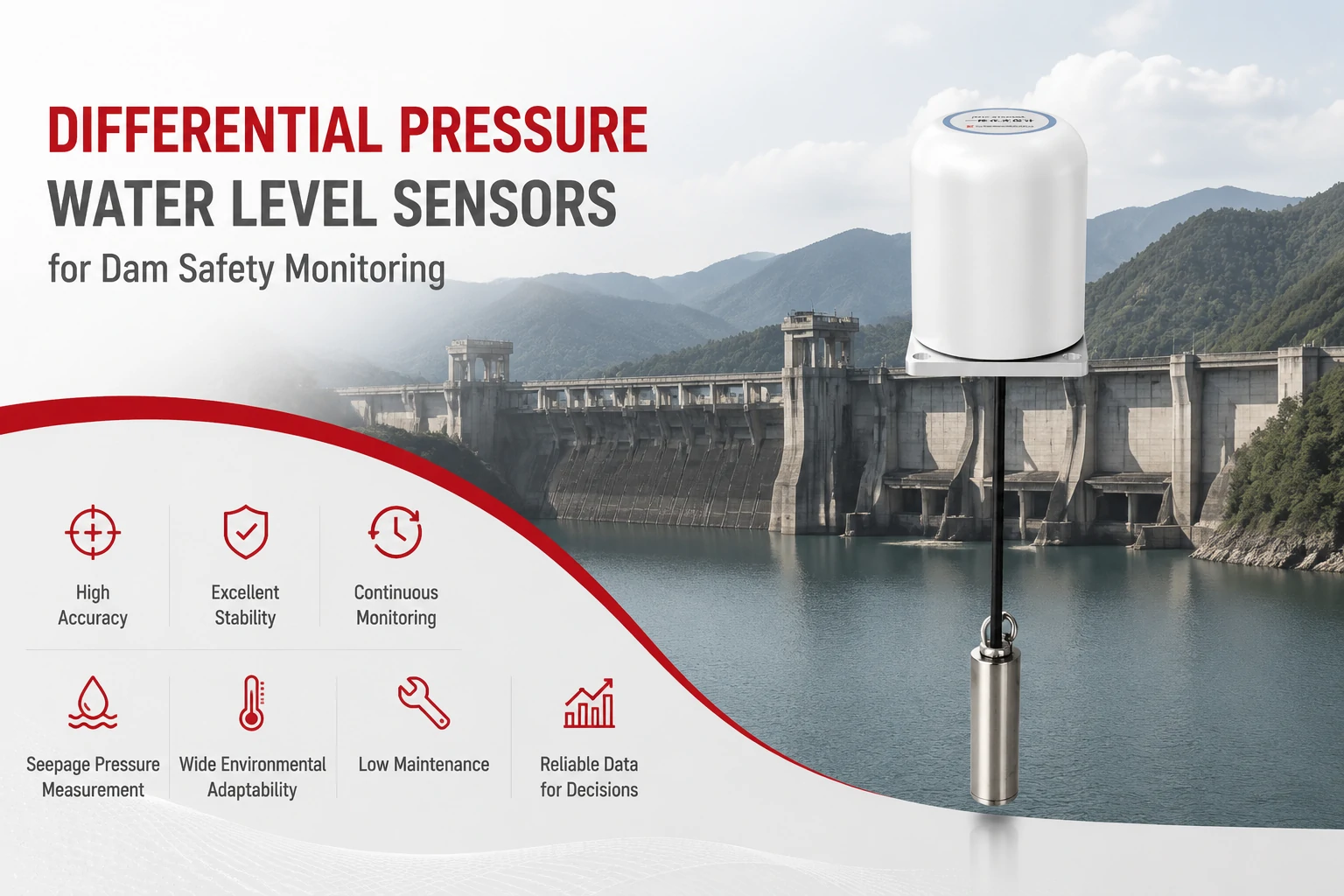
Key Takeaways The strongest fit is usually a confined, submerged, or s...
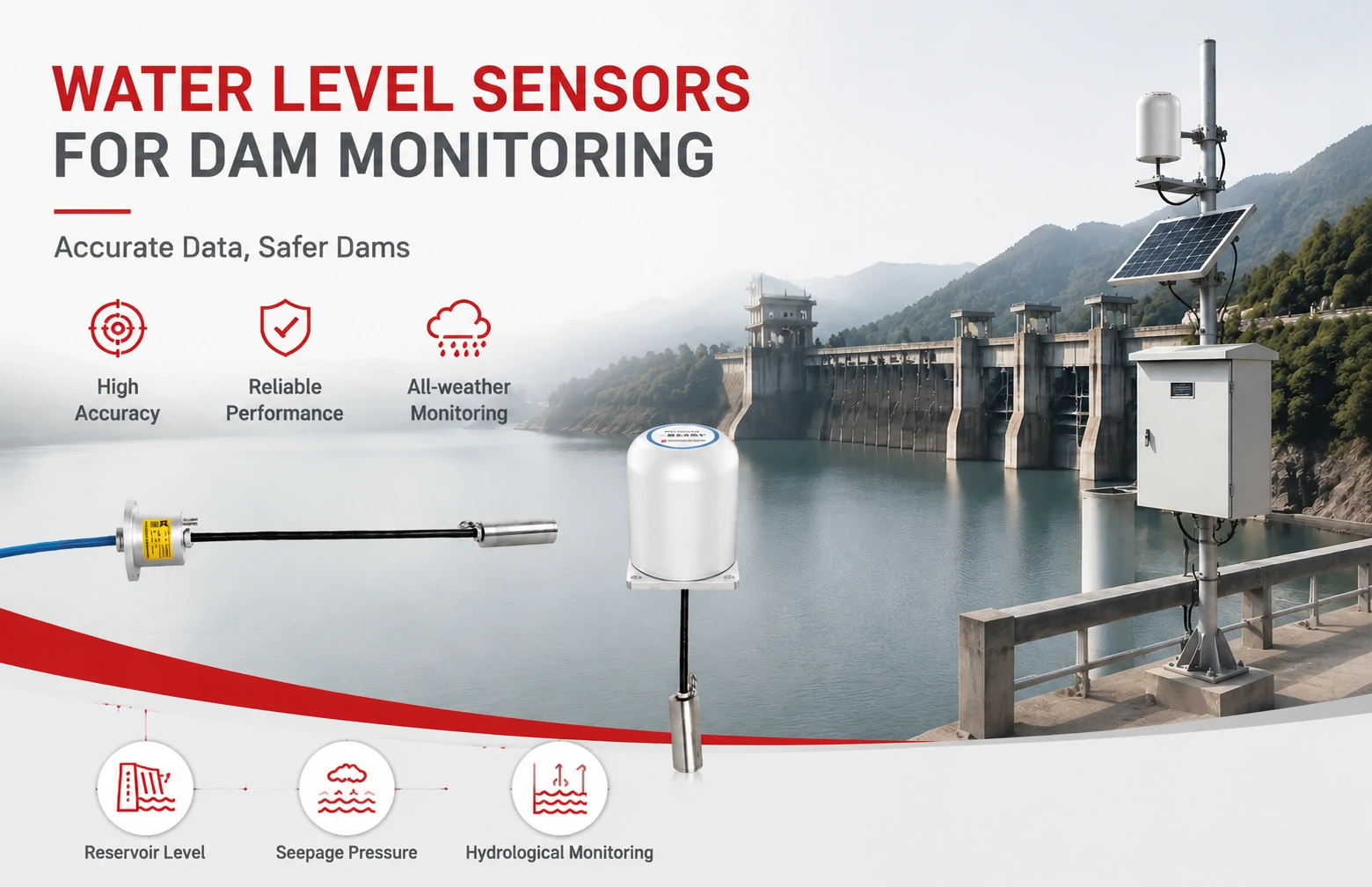
Kingmach Water Level Sensors for Dam Monitoring: A Buyer's Guide to Differential Pre...
Products
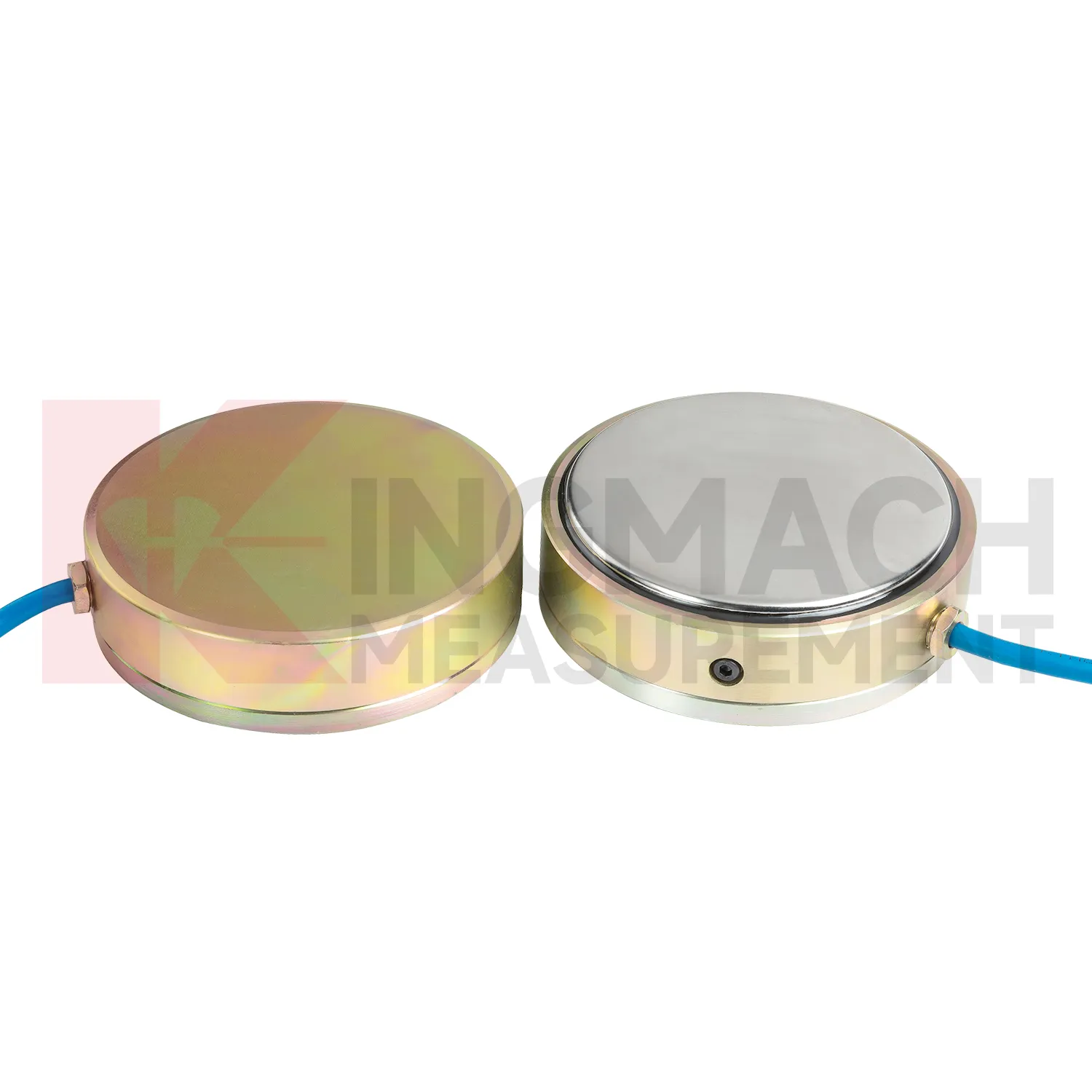
Earth Pressure Cell ( VW & Smart Type) JMZX-50XXAT/ ATM
View Details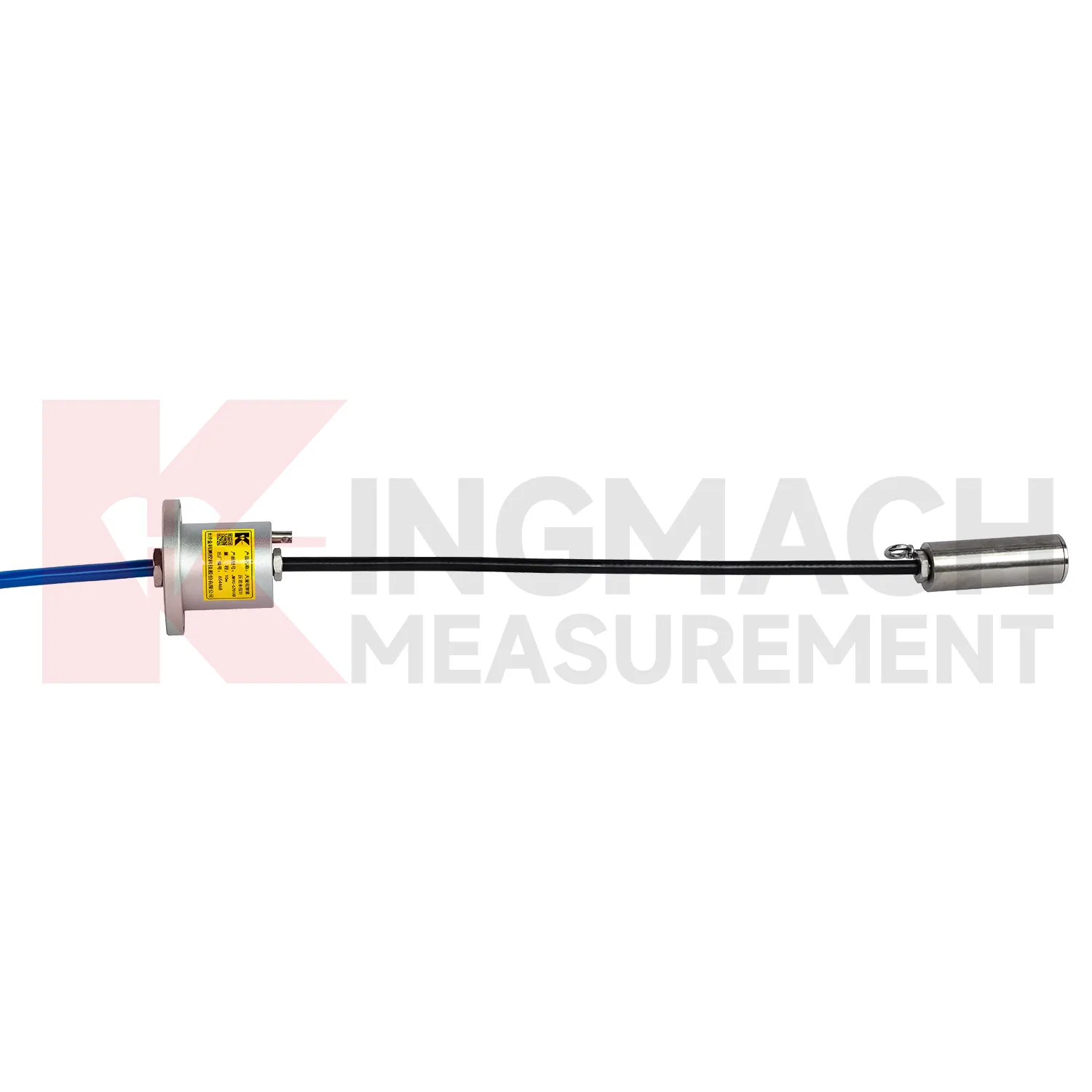
Wide-Range Smart Differential Pressure Water Level Meter JMYC-67XXAD
View Details
Smart Vibrating Wire PiezometerSmart Piezometers (VW) JMZX-55XXHAT
View DetailsFAQ
The main practical difference is where the signal gets digitized. An analog load cell sends a low-voltage signal that can pick up electrical interference along the cable, requiring careful shielding and short cable runs. A digital load cell turns the force reading into a digital stream right at the sensor, so the data traveling to your logger or PLC is already noise-resistant. You also get on-board diagnostics, stored calibration data, and often better long-term stability because the electronics can correct for temperature shifts internally.
Yes, the housing and sealing are designed for typical geotechnical environments—think moisture, dust, and temperature swings. Many models include surge protection and are sealed to IP67 or higher, but it’s best to confirm the exact protection class for your application. Because the digital signal doesn’t degrade over long cables, they’re often used on construction sites where the readout equipment might be 100 meters or more from the sensor.
Most Kingmach digital load cells output via RS-485 or CAN bus, which is common industrial protocol. If your logger has a serial or CAN input, integration is straightforward—we provide the communication protocol and register mapping. For systems that only accept analog inputs, you may need a separate converter module, but we can advise on the simplest way to bridge the gap.
Absolutely. Center-hole digital load cells are a standard part of our geotechnical range, used to measure tension in rock bolts and ground anchors. Customization options include different hole diameters, capacity ranges, and mounting accessories to fit your anchor head geometry. Just let us know the specifications and we’ll quote the right configuration.
Digital load cells generally hold calibration well because compensation data is stored onboard and applied in real time. However, in critical monitoring projects, an annual check is good practice. Because the calibration constants are inside the sensor, you can swap a load cell without re-tuning the whole channel—the new sensor tells the readout its own calibration. For major projects, Kingmach can provide traceable calibration certificates and recalibration services as needed.
Share your product type, target capacity, and application requirements. Our team can review the details and recommend a practical next step.
If you are interested in our products or want to become our partner.
Please leave your contact information, our team will contact you as soon as possible.
Mail: [email protected]
Contact Us: +8613808434127
Address: No. 188 Tongzipo West Rd, Changsha, Hunan, China