
 EN
EN
 ar
ar bg
bg hr
hr cs
cs da
da nl
nl fi
fi fr
fr de
de el
el hi
hi it
it ko
ko no
no pl
pl pt
pt ro
ro ru
ru es
es sv
sv tl
tl iw
iw id
id lv
lv lt
lt sr
sr sk
sk sl
sl uk
uk vi
vi et
et hu
hu th
th tr
tr fa
fa ms
ms hy
hy ka
ka ur
ur bn
bn mn
mn ta
ta kk
kk uz
uz ku
ku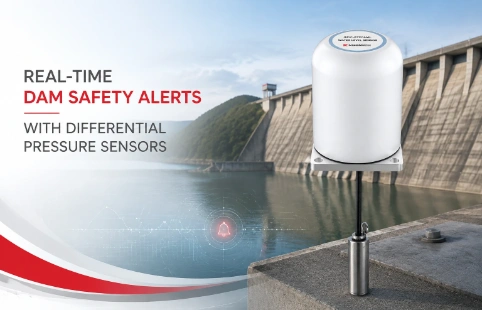
Real-Time Dam Safety Alerts with Differential Pressure Water Level Sensors
Key Takeaways An alert chain needs more than a sensor: define field in...

Accelerometer for Vibration Measurement in Practice
Most accelerometers for vibration measurement look solid on a spec sheet but fall short when you mount them on a real bridge pier. The data drifts after a few hot days, or the cable snaps in the first storm. Kingmach designs its sensors for those exact moments—when the monitoring system has to keep working without a second thought. Our team has spent years refining accelerometers that survive in damp tunnels and on wind-battered towers, not just in a lab. Instead of promising the impossible, we focus on what matters: a stable signal you can trust, easy integration with your data logger, and enough mounting options to fit your structure. This page walks through the typical choices and a few field notes from actual monitoring campaigns.
Technical Detail
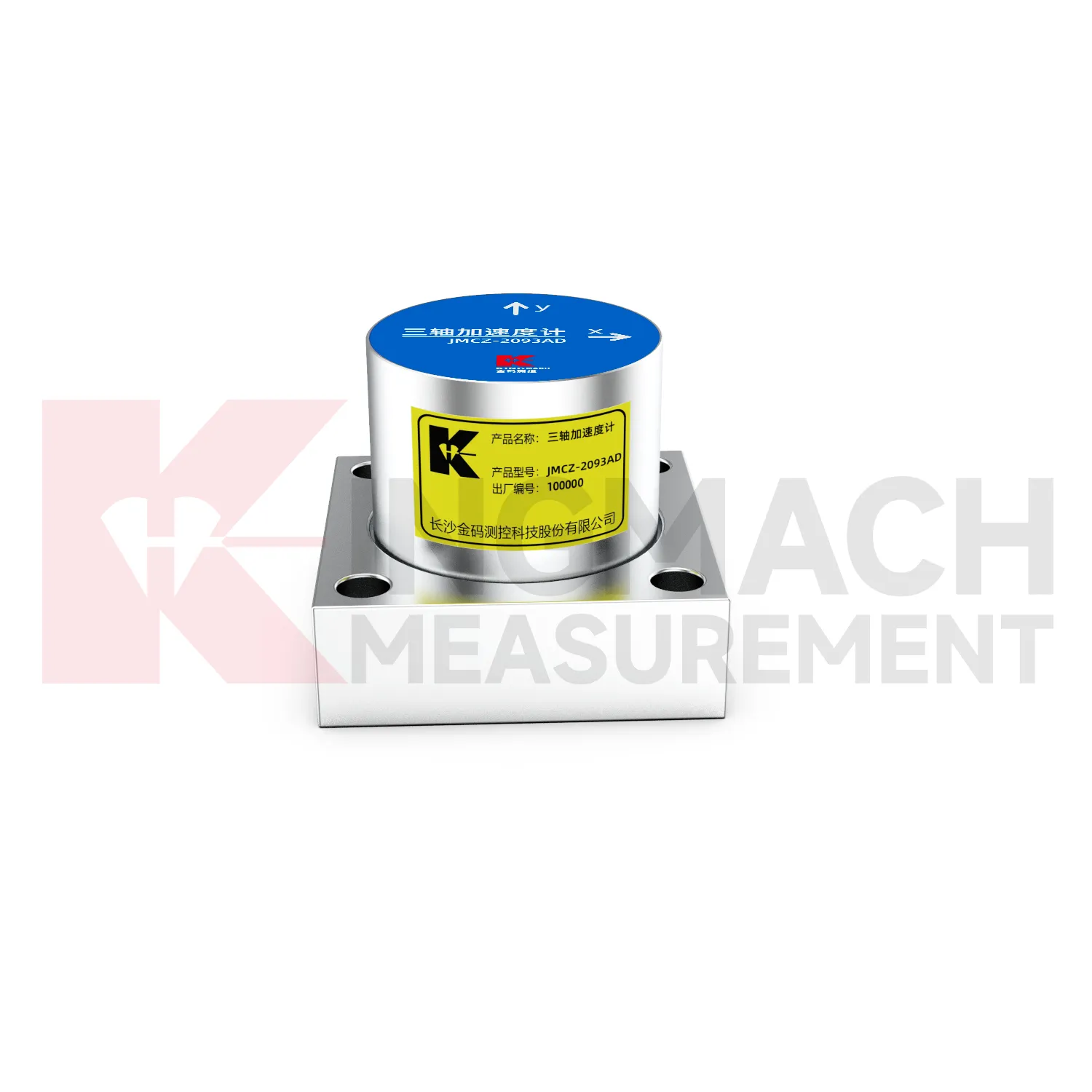
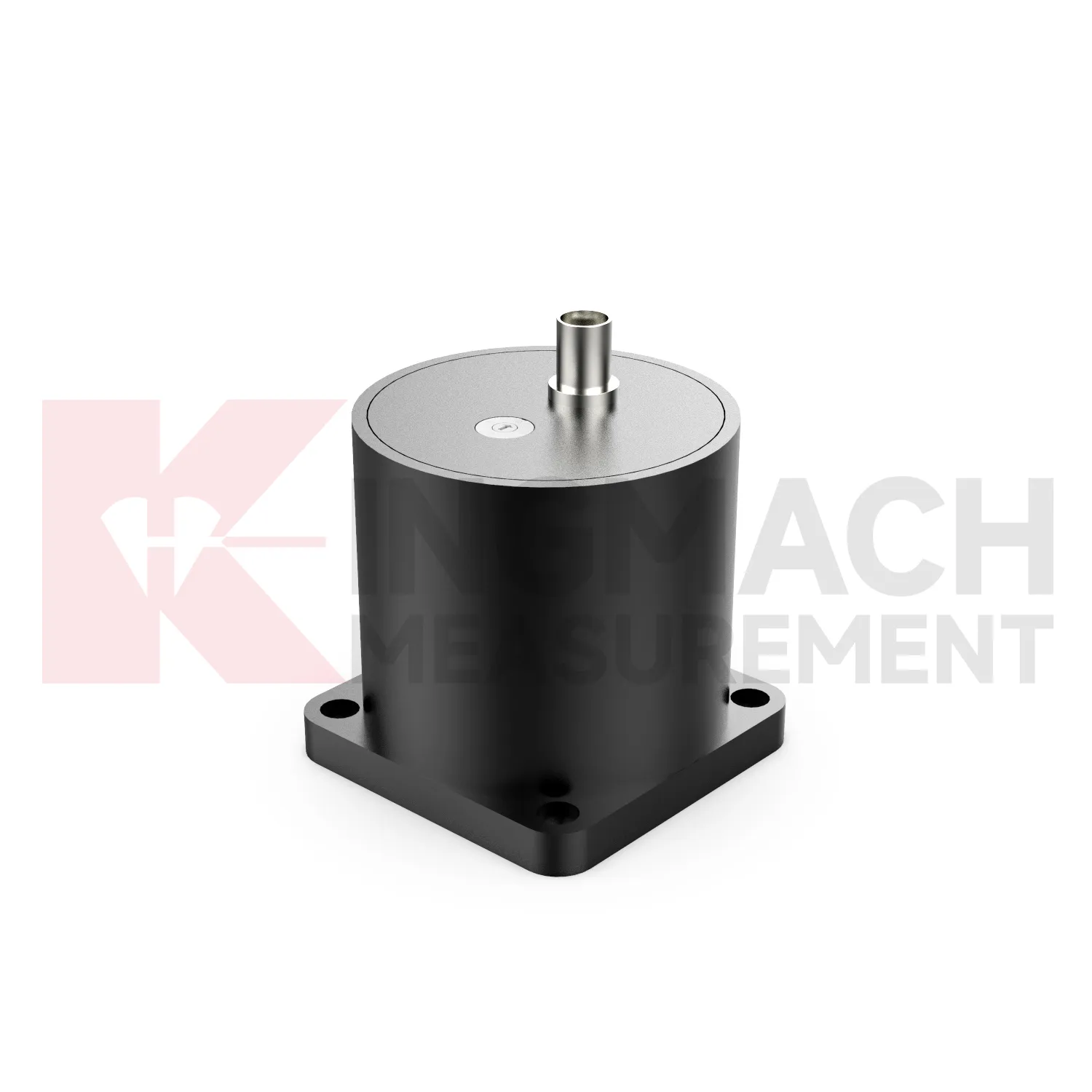
The challenge with any accelerometer for vibration measurement is balancing sensitivity, frequency range, and long-term reliability. Kingmach’s low-noise MEMS and IEPE models cover the spectrum most engineers need—from 0.1 Hz for large-scale civil structures up to several kHz for machinery. For concrete box girders or retaining walls, we frequently recommend units with a range of ±2g and a bandwidth that captures the first few modal frequencies. The extended low-frequency response makes a difference when you try to identify mode shapes from ambient excitation; you are not left guessing whether that peak at 0.3 Hz is real or just temperature drift. Kingmach also puts effort into user-friendly details that matter during installation. All sensors ship with a rugged anodized housing and IP67 protection as standard. The detachable cable with military-style bayonet connectors means you can replace a damaged cable in the field without sending the sensor back. For temporary measurements, magnetic or quick-set adhesive bases are available, and we often pre-wire breakout boxes for common loggers. The output is standardized as ±5V or 4-20 mA, so you do not need a custom signal conditioner. If your project demands a specific mounting pattern or a different cable length, we usually accommodate that with a short lead time—there is no point forcing a generic sensor onto a unique structure. Several consulting firms have used Kingmarch accelerometers on long-span footbridges to monitor pedestrian-induced vibrations after complaints from residents. By recording simultaneous data from midspan and quarter points, they could tune a TMD and verify its performance within a few weeks. Other applications include vibration monitoring during adjacent excavation and blasting close to historic masonry. In those cases, the pre-trigger recording helped capture transient events that peak-hold meters would miss. That practical experience has informed our default firmware settings, so the sensor arrives ready to use straight out of the box.
News
Key Takeaways An alert chain needs more than a sensor: define field in...
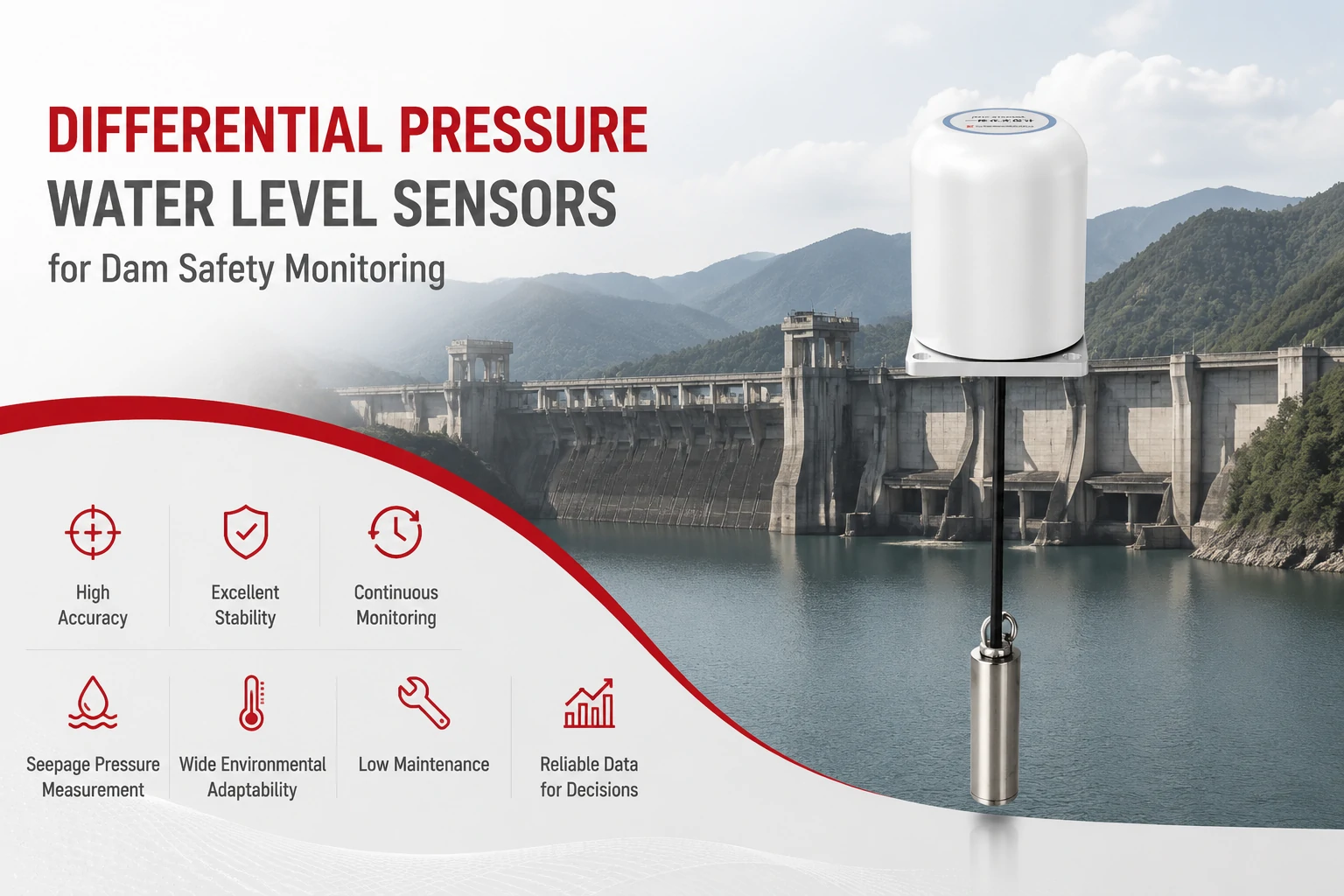
Key Takeaways The strongest fit is usually a confined, submerged, or s...
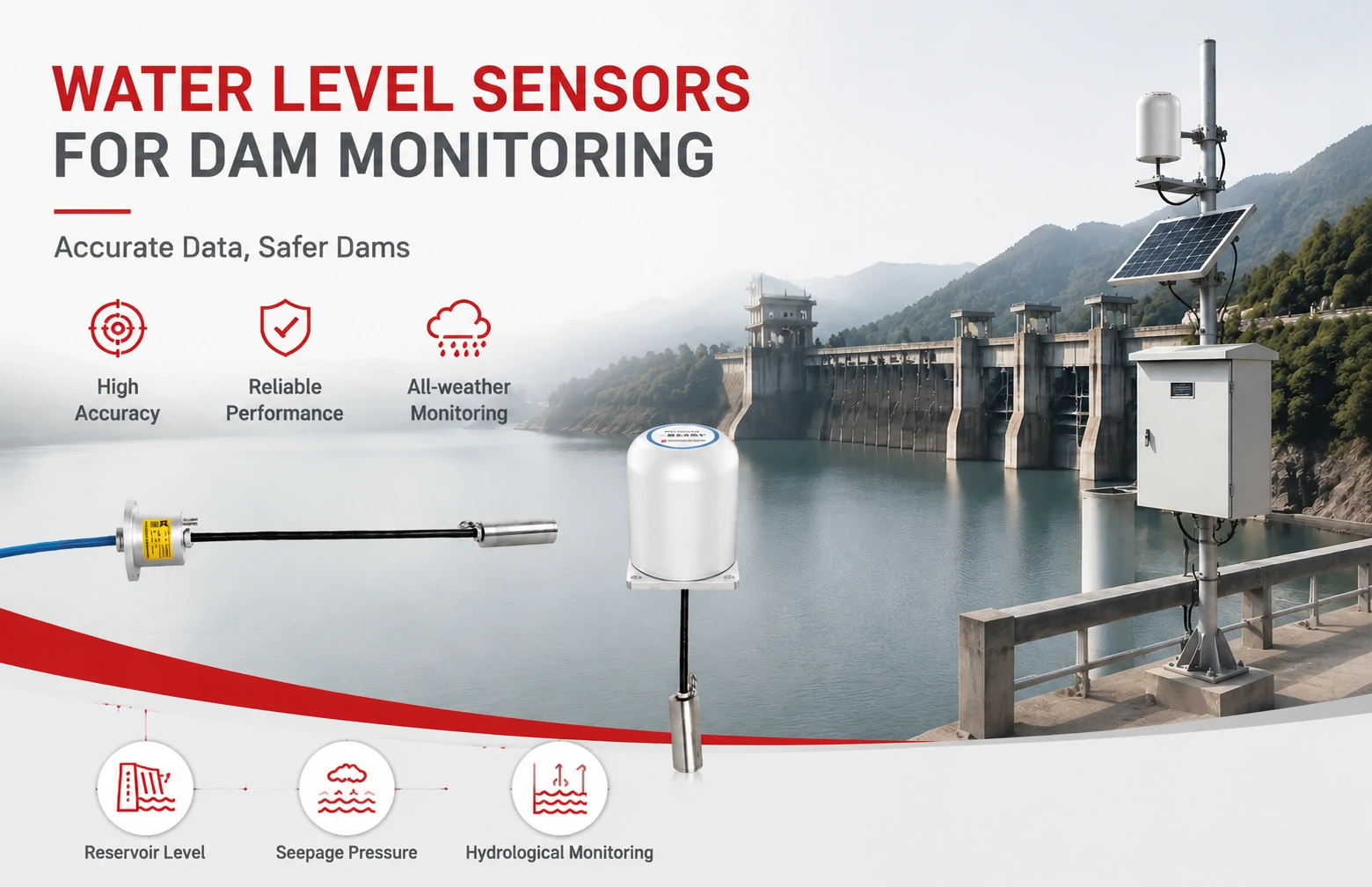
Kingmach Water Level Sensors for Dam Monitoring: A Buyer's Guide to Differential Pre...
Products
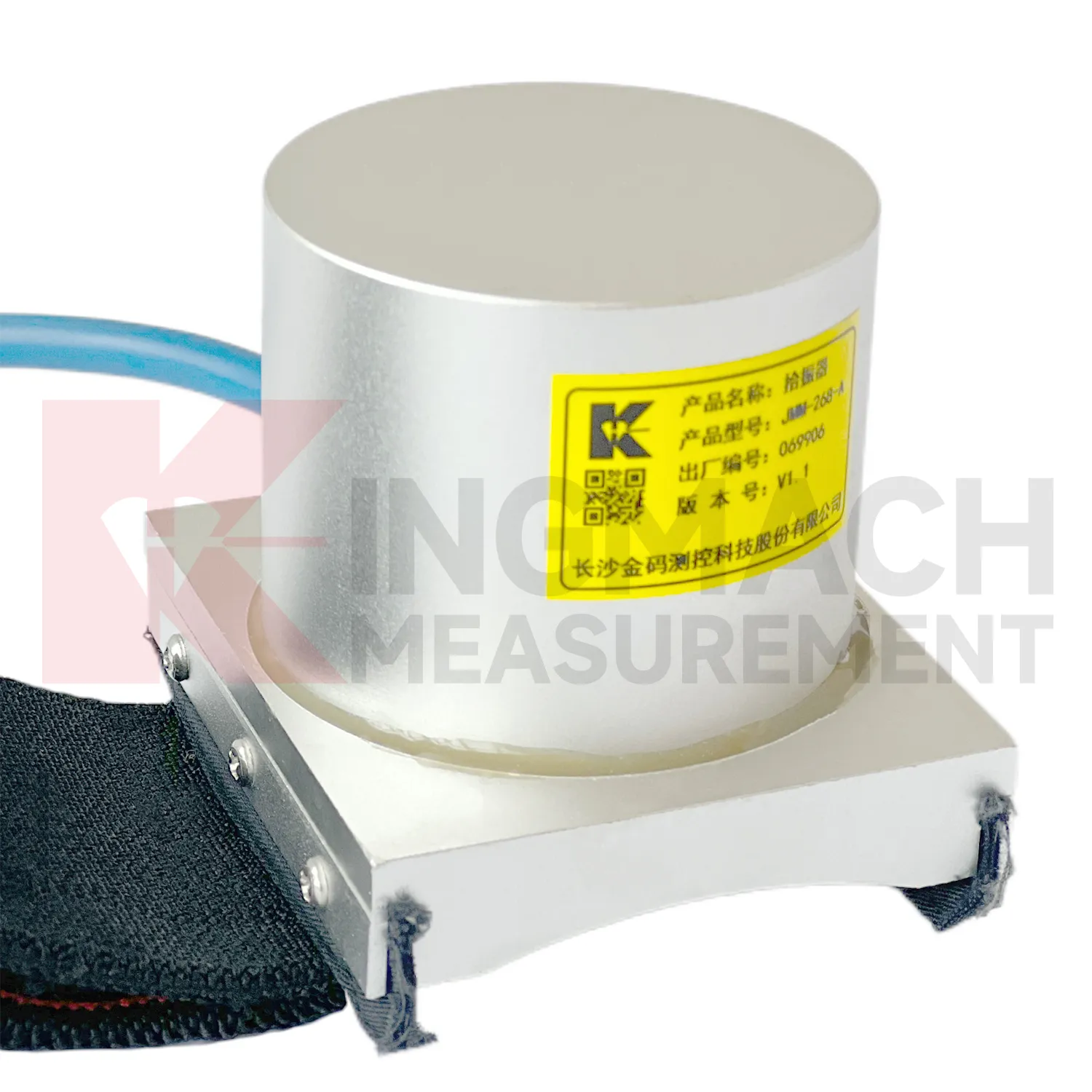
FAQ
For most bridge work, a MEMS DC accelerometer with a noise floor around 10 µg/√Hz works well. It gives you clean data from static tilt all the way up to typical traffic-induced frequencies. IEPE sensors are an option if you only need higher frequencies and have a data acquisition system that provides constant current.
We offer strong magnetic bases that hold well on embedded steel plates. If the surface is bare concrete, a two-part epoxy with a machined aluminum block works—just roughen the concrete and clean it thoroughly. Let the epoxy cure overnight before aligning the sensor.
Yes, all Kingmach accelerometers are sealed to IP67 and use a vented Gore-Tex membrane to equalize pressure without letting moisture in. They have been used in coastal environments and alpine tunnels. We still recommend a small sun shield for long-term direct sunlight exposure to reduce thermal effects.
With the low-impedance voltage output, you can run up to 100 meters of shielded twisted-pair cable without noticeable loss. For longer runs, we advise using a 4-20 mA current output version, which can easily extend to several hundred meters.
Every sensor comes with a free factory calibration certificate traceable to national standards. If your project requires ISO 17025 accredited calibration, we can arrange that through a partner lab for an additional fee.
Share your product type, target capacity, and application requirements. Our team can review the details and recommend a practical next step.
If you are interested in our products or want to become our partner.
Please leave your contact information, our team will contact you as soon as possible.
Mail: [email protected]
Contact Us: +8613808434127
Address: No. 188 Tongzipo West Rd, Changsha, Hunan, China