
 EN
EN
 ar
ar bg
bg hr
hr cs
cs da
da nl
nl fi
fi fr
fr de
de el
el hi
hi it
it ko
ko no
no pl
pl pt
pt ro
ro ru
ru es
es sv
sv tl
tl iw
iw id
id lv
lv lt
lt sr
sr sk
sk sl
sl uk
uk vi
vi et
et hu
hu th
th tr
tr fa
fa ms
ms hy
hy ka
ka ur
ur bn
bn mn
mn ta
ta kk
kk uz
uz ku
ku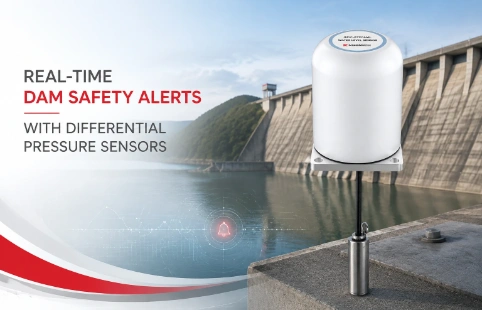
Real-Time Dam Safety Alerts with Differential Pressure Water Level Sensors
Key Takeaways An alert chain needs more than a sensor: define field in...

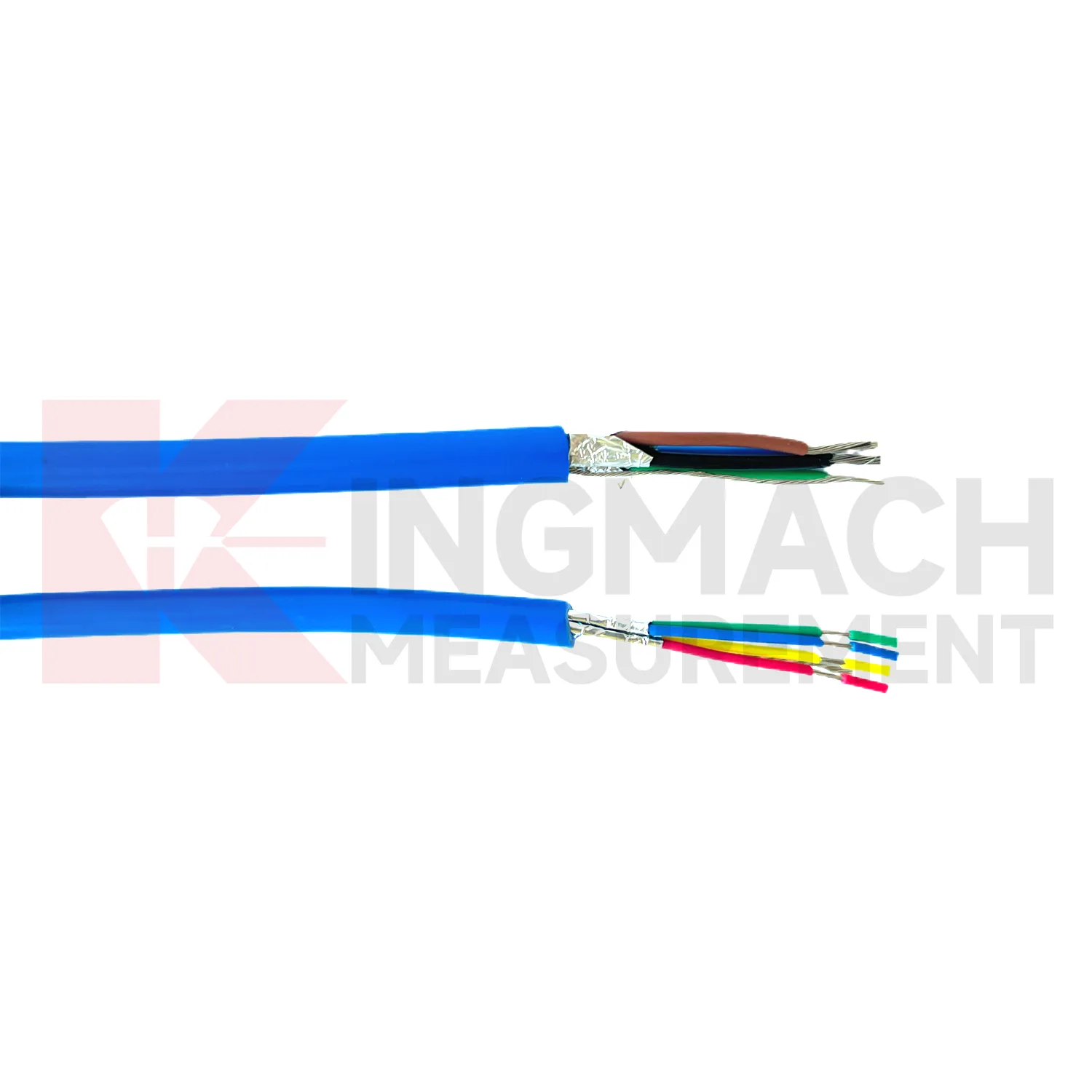
Multicore Shielded Test Cable That Handles Field Noise
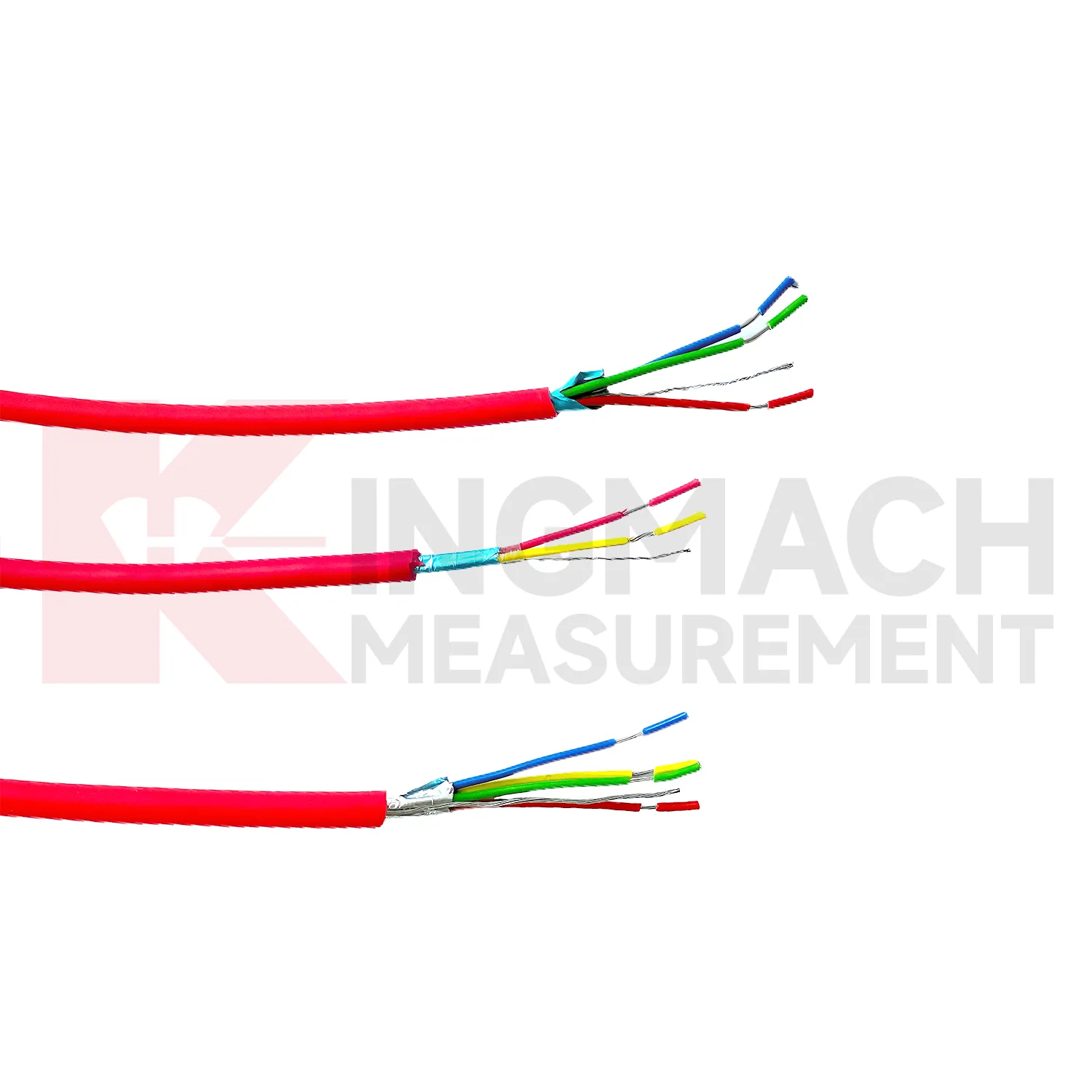
Sensor wiring rarely goes as planned on site. A multicore shielded test cable that just passes a bench check can still let noise swamp your signal once it’s laid out across a construction zone. Kingmach has spent years listening to what goes wrong in those setups. The result is a no-nonsense cable range that puts more effort into shielding consistency and jacket toughness than into glossy brochures. You can order exactly the core count, length, and termination you need, because standard off-the-shelf lengths rarely fit a real monitoring layout. These cables show up on projects where strain gauges, load cells, or displacement sensors need a clean path back to the data logger. And because Kingmach is a geotechnical instrument manufacturer, the support team understands what a loose drain wire or a brittle jacket does to your measurement campaign.
Technical Detail
Kingmach builds multicore shielded test cables around the assumption that they’ll be dragged through conduits, stepped on, and left in the sun. The conductors are stranded copper, available in counts from 4 to 24 as standard, with more on request. Each pair or individual conductor gets its own foil shield with a drain wire, and an overall braid shield deals with EMI across the full cable run. That layered shielding keeps crosstalk between channels low—important when you’re pushing excitation voltages alongside low-level sensor signals. The jacket material is normally PVC or polyurethane; the latter holds up better against oil, cutting fluids, and UV. Typical continuous temperature range is -20°C to 80°C, though that shifts a bit depending on jacket choice. Every cable is checked for continuity and insulation resistance before it leaves the factory. Since Kingmach works with monitoring system integrators, labeling and color-coding can be matched to your wiring diagram instead of sticking with stock numbers. Custom lengths, connector pinouts, and breakout fan-outs are routine, which means less splicing in the field and fewer gremlins later.
News
Key Takeaways An alert chain needs more than a sensor: define field in...
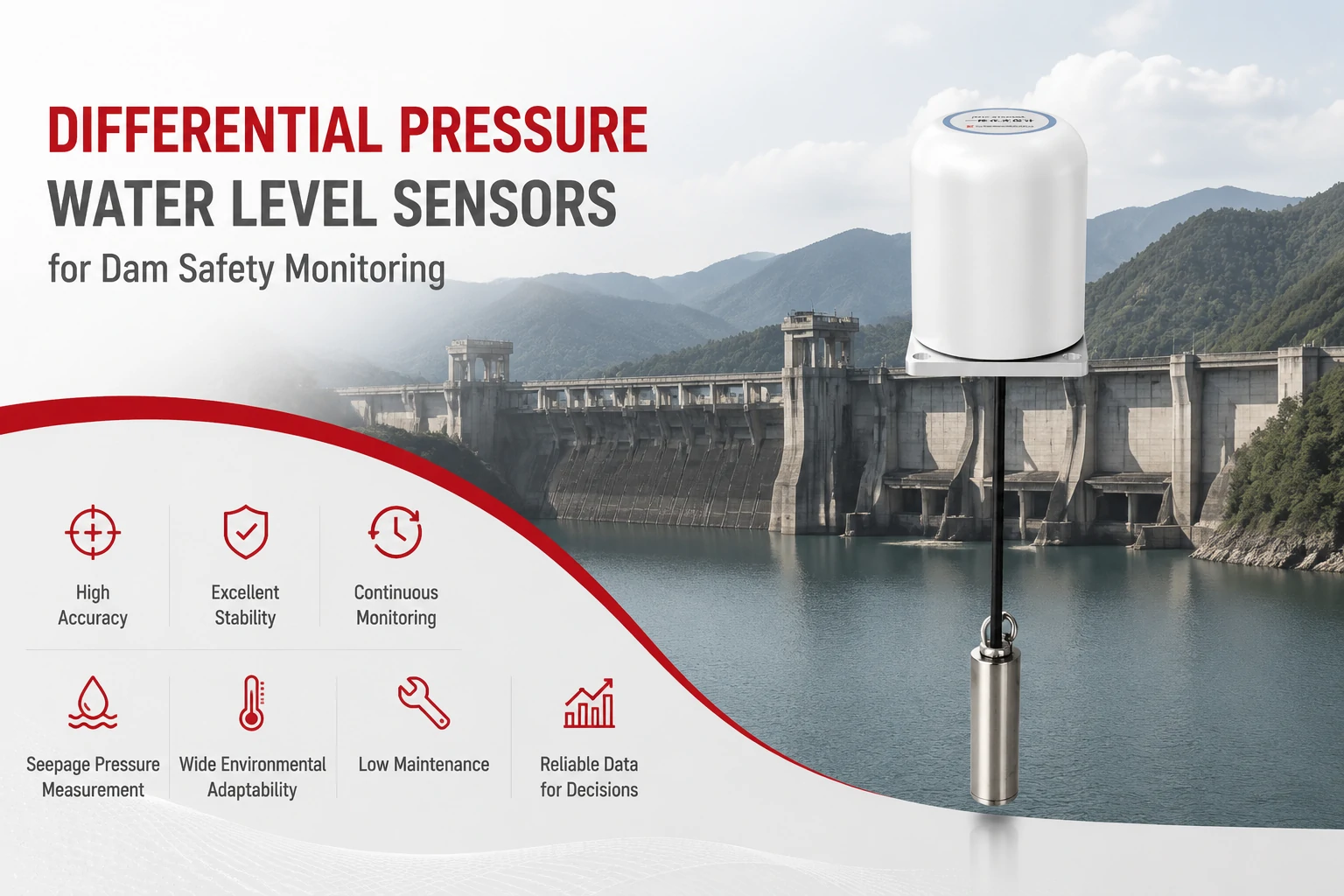
Key Takeaways The strongest fit is usually a confined, submerged, or s...
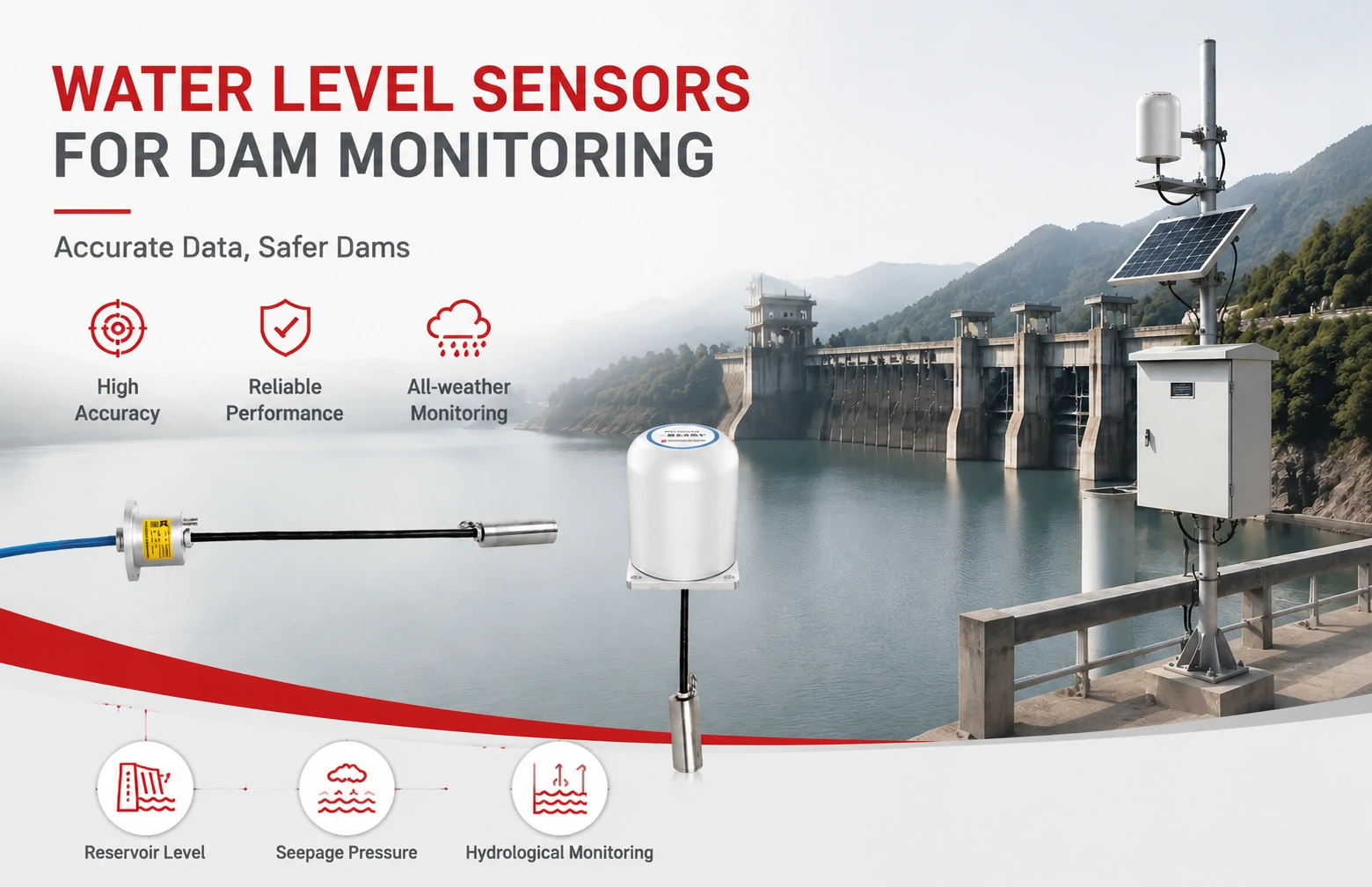
Kingmach Water Level Sensors for Dam Monitoring: A Buyer's Guide to Differential Pre...
Products
FAQ
We stock 4, 8, 12, and 24-core configurations. If your project needs a different count, we can build it—larger counts may require a small minimum order quantity.
Each conductor or twisted pair has an aluminum-polyester foil shield with its own drain wire. An overall tinned copper braid adds one more layer against EMI. The exact construction depends on your signal routing requirements.
Yes. We regularly terminate cables with LEMO, Fischer, Binder, or generic circular connectors. Provide a pinout drawing, and we’ll match it. Overmolded strain reliefs are available too.
With standard PVC jackets, -20°C to 80°C is typical. Polyurethane jackets perform better at cold temperatures and resist embrittlement. If you need something rated for higher heat, we can source alternative jacket compounds.
Contact our sales team via the website or email us with the cable length, core count, jacket material preference, and any connector specs. We usually reply within one business day with a lead time and price.
Share your product type, target capacity, and application requirements. Our team can review the details and recommend a practical next step.
If you are interested in our products or want to become our partner.
Please leave your contact information, our team will contact you as soon as possible.
Mail: [email protected]
Contact Us: +8613808434127
Address: No. 188 Tongzipo West Rd, Changsha, Hunan, China