
 EN
EN
 ar
ar bg
bg hr
hr cs
cs da
da nl
nl fi
fi fr
fr de
de el
el hi
hi it
it ko
ko no
no pl
pl pt
pt ro
ro ru
ru es
es sv
sv tl
tl iw
iw id
id lv
lv lt
lt sr
sr sk
sk sl
sl uk
uk vi
vi et
et hu
hu th
th tr
tr fa
fa ms
ms hy
hy ka
ka ur
ur bn
bn mn
mn ta
ta kk
kk uz
uz ku
ku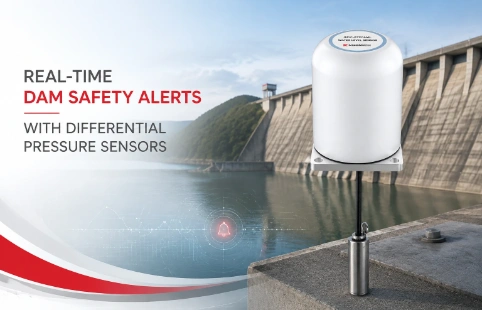
Real-Time Dam Safety Alerts with Differential Pressure Water Level Sensors
Key Takeaways An alert chain needs more than a sensor: define field in...

Multichannel Dynamic Signal Acquisition Module
When a slope needs to be monitored for vibration, strain, and displacement all at once, the number of sensors grows quickly. Keeping dozens of channels perfectly synchronized is where many setups hit a wall. A multichannel dynamic signal acquisition module steps in to collect these high-frequency signals in parallel, avoiding the drift and lag that can creep into sequential scanning. Kingmach has built its version with field conditions in mind—rugged enough for construction sites, yet flexible in how it handles different sensor types. Whether you are tracking pile driving impacts or long-term settlement, the ability to configure channels for IEPE, voltage, or full-bridge inputs on the fly saves hours of rewiring. Engineers sometimes ask about anti-aliasing filters or real-time FFT capabilities; these are baked directly into the hardware, so the data stream you see is already clean. In practice, that means fewer second guesses about whether a spike is real or just noise. The module does not require a lab environment to deliver lab-like consistency.
Technical Detail
Kingmach produces geotechnical instruments for a broad range of monitoring tasks, and its multichannel dynamic signal acquisition module is a reflection of that range. Rather than a single-purpose logger, this module accepts mixed sensor types—IEPE accelerometers, strain gauges, LVDTs, load cells—on the same unit. Each channel can be set independently, so one device can simultaneously handle dynamic events like blasting and slower processes like creep deformation. Synchronization across channels is handled at the hardware level. A common sampling clock and dedicated analog-to-digital converters per channel eliminate the time skew that undermines multi-channel measurements. Onboard digital signal processing, such as decimation and anti-aliasing filtering, ensures that the output is ready for analysis without heavy post-processing. Engineers working in tunneling or dam safety often need real-time access to FFT spectra or RMS values; the module can stream these processed results directly, cutting down the computation load on the central system. Kingmach offers customization that goes beyond channel count. Input ranges, filter settings, and triggering modes can be adapted to specific project requirements. The global distribution network means spare parts and technical assistance are never far away, whether the site is in Southeast Asia or South America. For monitoring firms that integrate many different sensor types into a single data platform, the module’s communication protocols—often including TCP/IP, RS-485, or CAN bus—simplify system architecture. The result is a less cluttered junction box, fewer wiring mistakes, and a faster path from installation to actionable data.
News
Key Takeaways An alert chain needs more than a sensor: define field in...
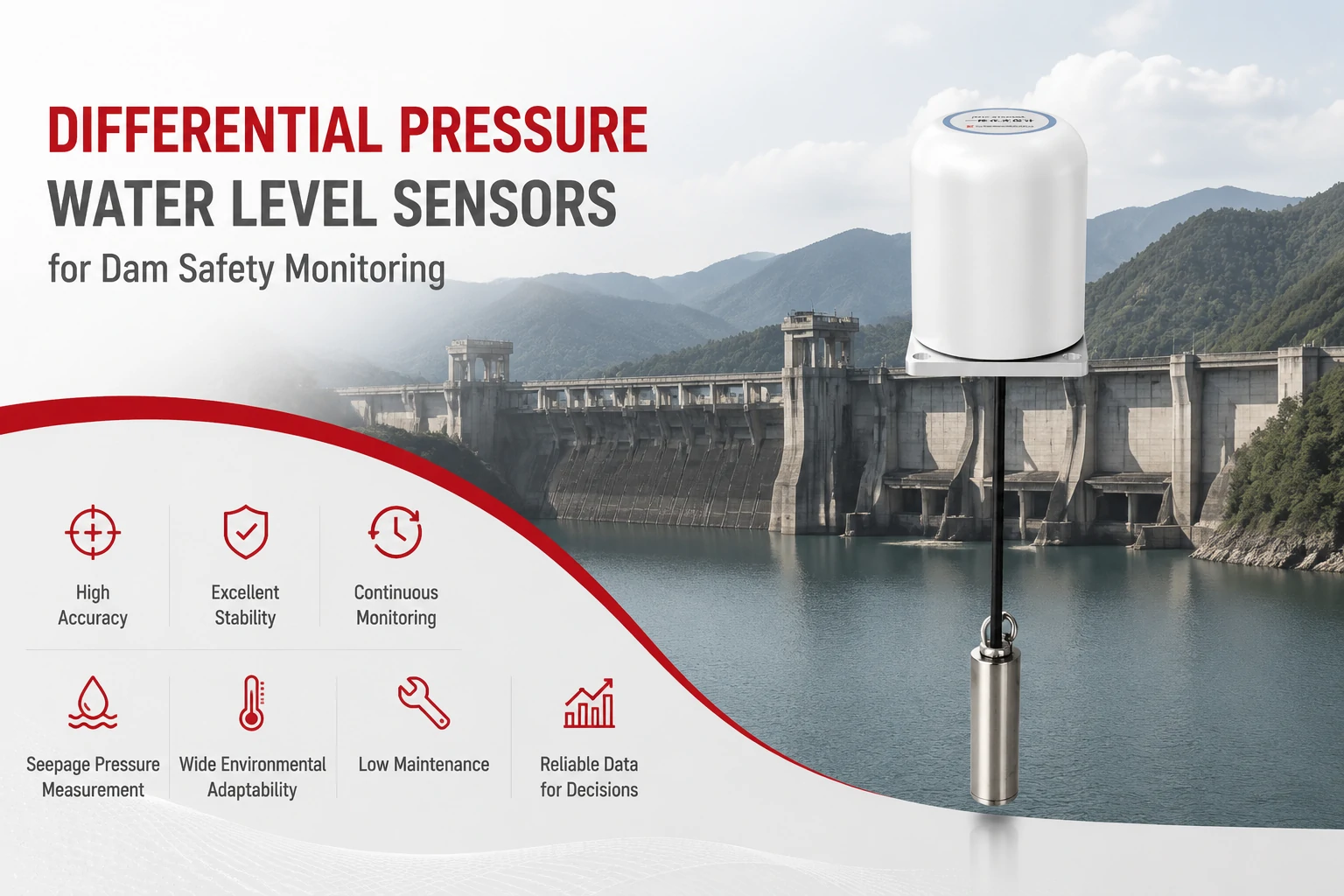
Key Takeaways The strongest fit is usually a confined, submerged, or s...
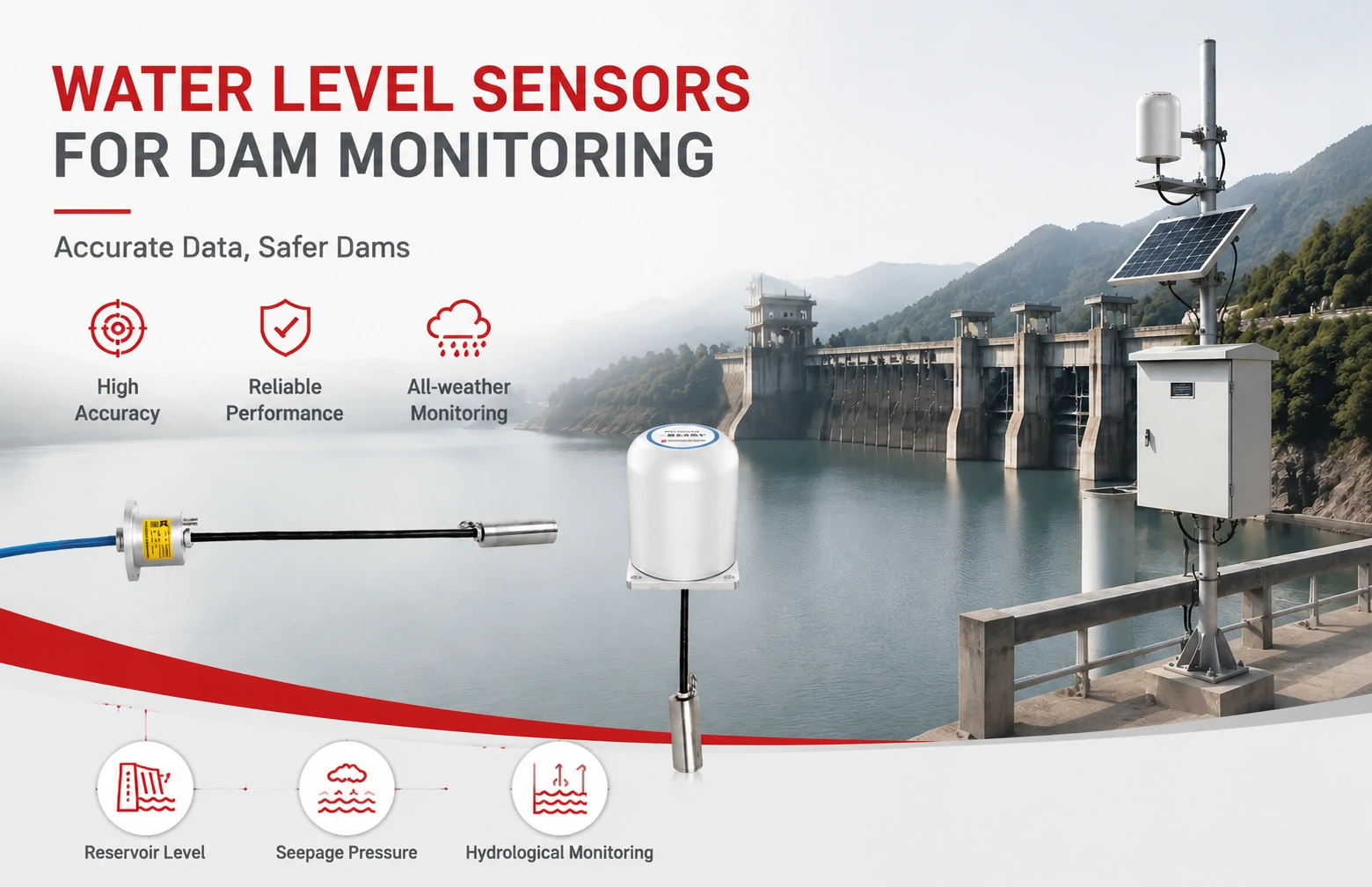
Kingmach Water Level Sensors for Dam Monitoring: A Buyer's Guide to Differential Pre...
Products
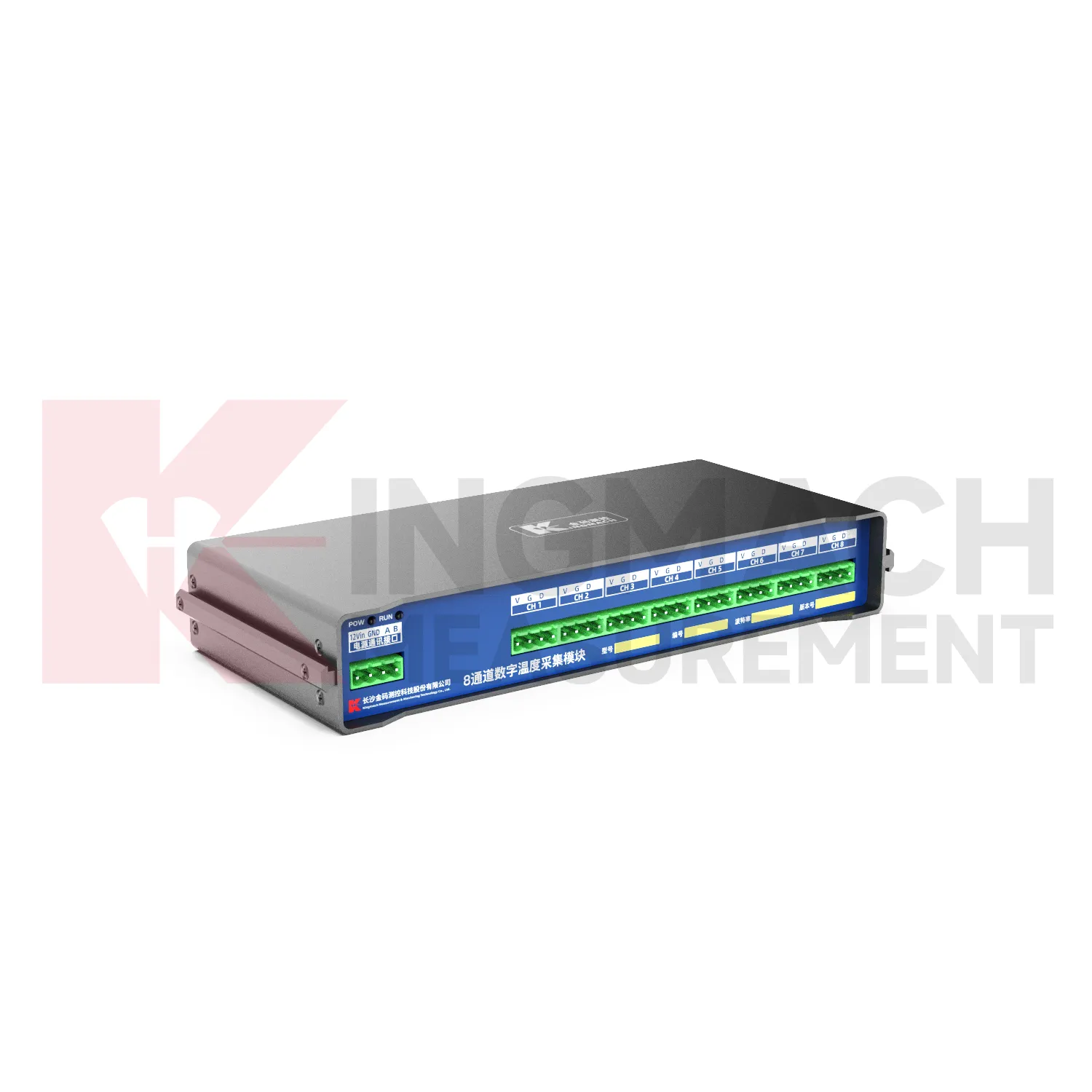
8-Channel Digital Temperature Acquisition ModuleJMWT-8DTH
View Details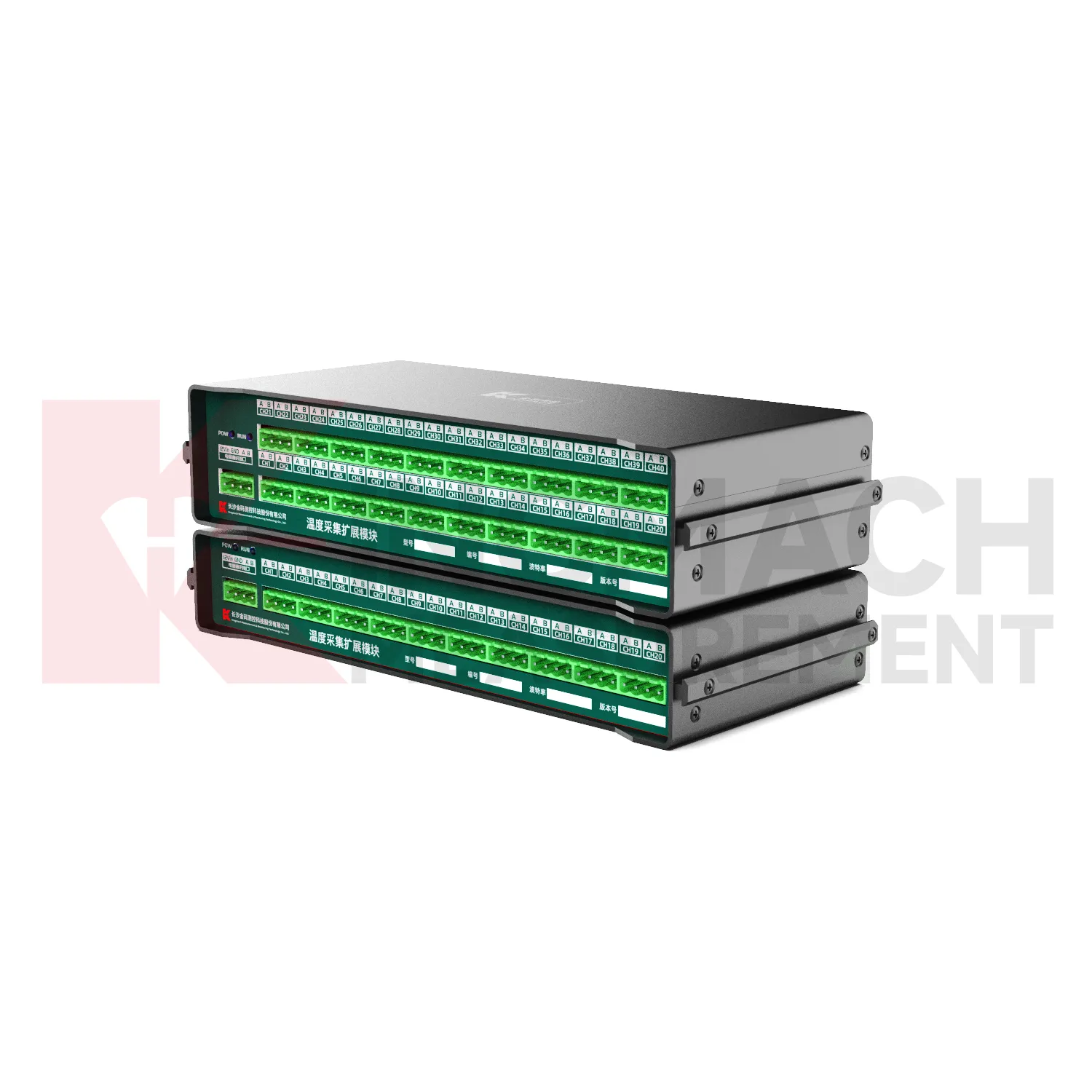
Temperature Acquisition Expansion Module JMWT-XXRTH
View Details
FAQ
The exact channel count depends on the configuration you order. Kingmach can build modules with a few channels for pilot projects or scale up to higher counts for full-site monitoring. Adding channels after installation usually means ordering an additional module and synchronizing them via a master clock, which is a standard feature.
Yes, that is one of its design priorities. Each channel can be individually configured for IEPE, voltage, or bridge-type inputs through the software, without changing hardware jumpers. This saves a lot of time if your monitoring plan changes during a project.
Each channel includes a hardware anti-aliasing filter that automatically adjusts to the selected sampling rate. Typically, it is a linear-phase filter to preserve signal shape, which matters when you are analyzing transient events like rockfalls or impact loads.
Many users run the module connected to a local PC or embedded controller for real-time FFT display. Since the module can perform on-board averaging and RMS calculation, the results can be fed to a dashboard with minimal delay. Some setups even allow spectrum streaming to a mobile device for quick field checks.
Kingmach provides remote setup assistance, training on software configuration, and calibration support through its distribution partners. Most issues are resolved within one business day. For complex integrations, an engineer from the technical team can join your project calls to help design the data flow and sensor network.
Share your product type, target capacity, and application requirements. Our team can review the details and recommend a practical next step.
If you are interested in our products or want to become our partner.
Please leave your contact information, our team will contact you as soon as possible.
Mail: [email protected]
Contact Us: +8613808434127
Address: No. 188 Tongzipo West Rd, Changsha, Hunan, China