
 EN
EN
 ar
ar bg
bg hr
hr cs
cs da
da nl
nl fi
fi fr
fr de
de el
el hi
hi it
it ko
ko no
no pl
pl pt
pt ro
ro ru
ru es
es sv
sv tl
tl iw
iw id
id lv
lv lt
lt sr
sr sk
sk sl
sl uk
uk vi
vi et
et hu
hu th
th tr
tr fa
fa ms
ms hy
hy ka
ka ur
ur bn
bn mn
mn ta
ta kk
kk uz
uz ku
ku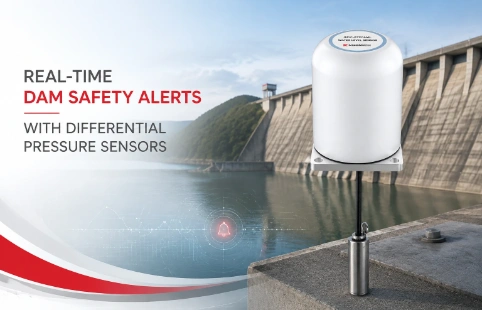
Real-Time Dam Safety Alerts with Differential Pressure Water Level Sensors
Key Takeaways An alert chain needs more than a sensor: define field in...

Hollow Load Cells That Fit into Your Monitoring Setup
Monitoring anchor forces in tunnels, dams, or deep excavations often comes down to one challenge: finding a sensor that stays accurate under load for years while fitting around a tensioned bar or strand. That’s where a hollow load cell fills the gap. Kingmach has been supplying these donut-shaped force sensors to geotechnical teams who need a straightforward way to track prestress or service loads without introducing alignment errors. The center hole lets the anchor pass right through, so the cell sits where the force is, not somewhere along a linkage. Over time, we’ve seen projects move away from external load measurement setups because the direct, in-line configuration of a hollow load cell often simplifies installation and gives cleaner long-term data. At Kingmach, we keep the design simple—stainless steel body, welded construction, and temperature compensation—so the readings stay stable whether the sensor is buried in a dam gallery or bolted to a bridge abutment. If your monitoring plan calls for a specific diameter, nonstandard cable length, or a certain output, we build to match what the site actually needs.
Technical Detail
A Kingmach hollow load cell is built around a central hole that accommodates anchor bolts, rock bolts, cable stays, or tiebacks—any application where a tension member needs to pass through the sensor. The sensing element is a set of strain gauges bonded inside a robust stainless steel ring, sealed against moisture and dust to typical IP67 or IP68 levels depending on the model. This direct force path means the sensor reads the load right at the bearing plate, without dealing with offset or bending effects that can creep into hydraulic or external systems. Available in capacities from 100 kN up to a few thousand kilonewtons, with custom ranges always an option. Output choices include standard mV/V for data loggers, 4-20 mA for industrial PLCs, or RS485 digital output when you need to daisy-chain multiple cells along a tunnel lining or viaduct. Temperature compensation keeps the zero shift small across the typical -20°C to +70°C operating range, which matters when the sensor sits in a concrete structure that heats up during curing or cools overnight. Many of these cells are used in pairs or arrays to monitor distributed anchor forces, and Kingmach can match the outputs so you get a consistent reading across all sensors. For monitoring companies and consulting engineers, we provide calibration certificates traceable to national standards, and our technical team walks you through wiring, mounting, and data interpretation—especially helpful when a cell gets embedded in a pile test or a permanent dam monitoring scheme. Global shipping and after-sales support are part of how we work, and we hold stock of common sizes to cut down lead times if you’re running against a construction schedule.
News
Key Takeaways An alert chain needs more than a sensor: define field in...
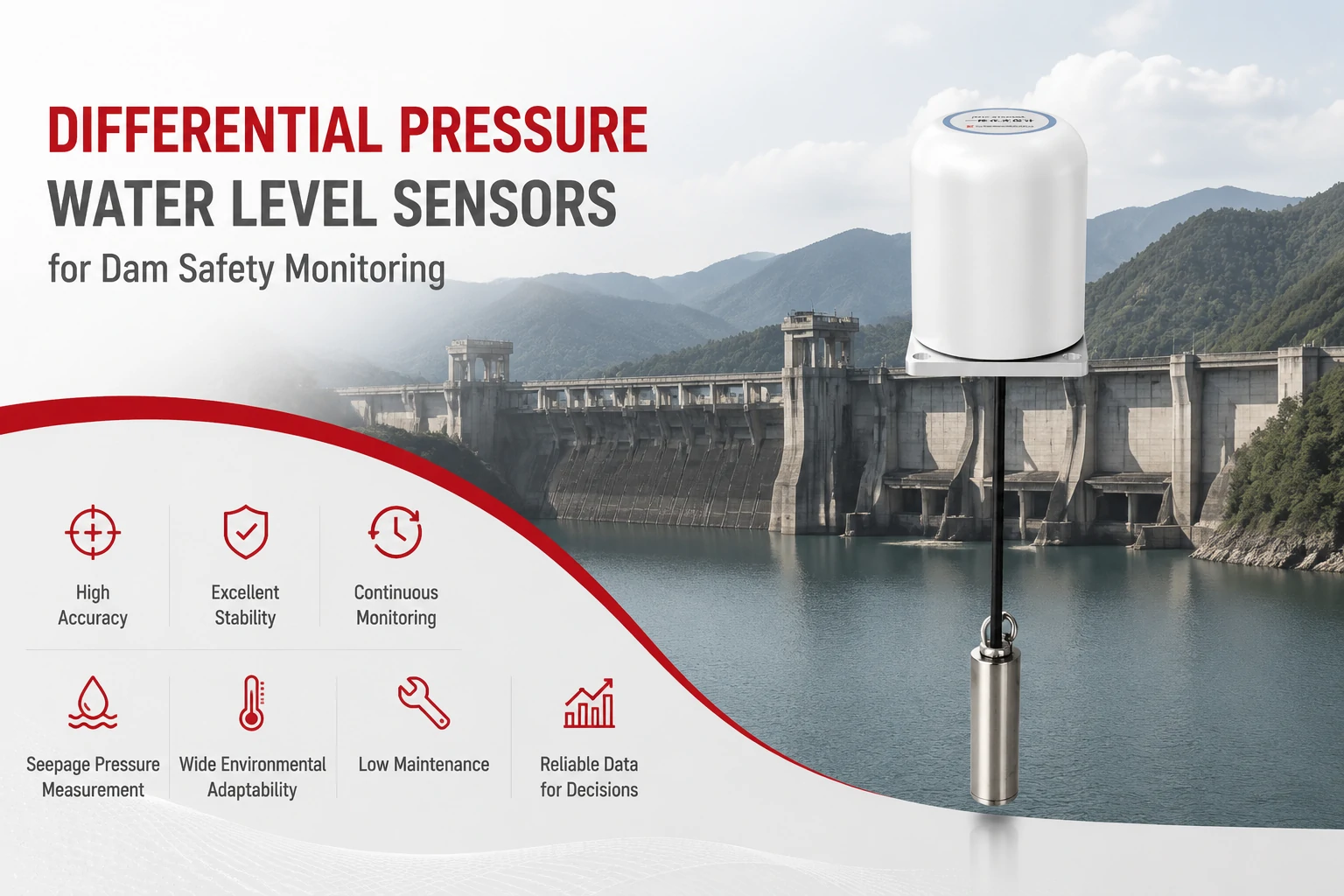
Key Takeaways The strongest fit is usually a confined, submerged, or s...
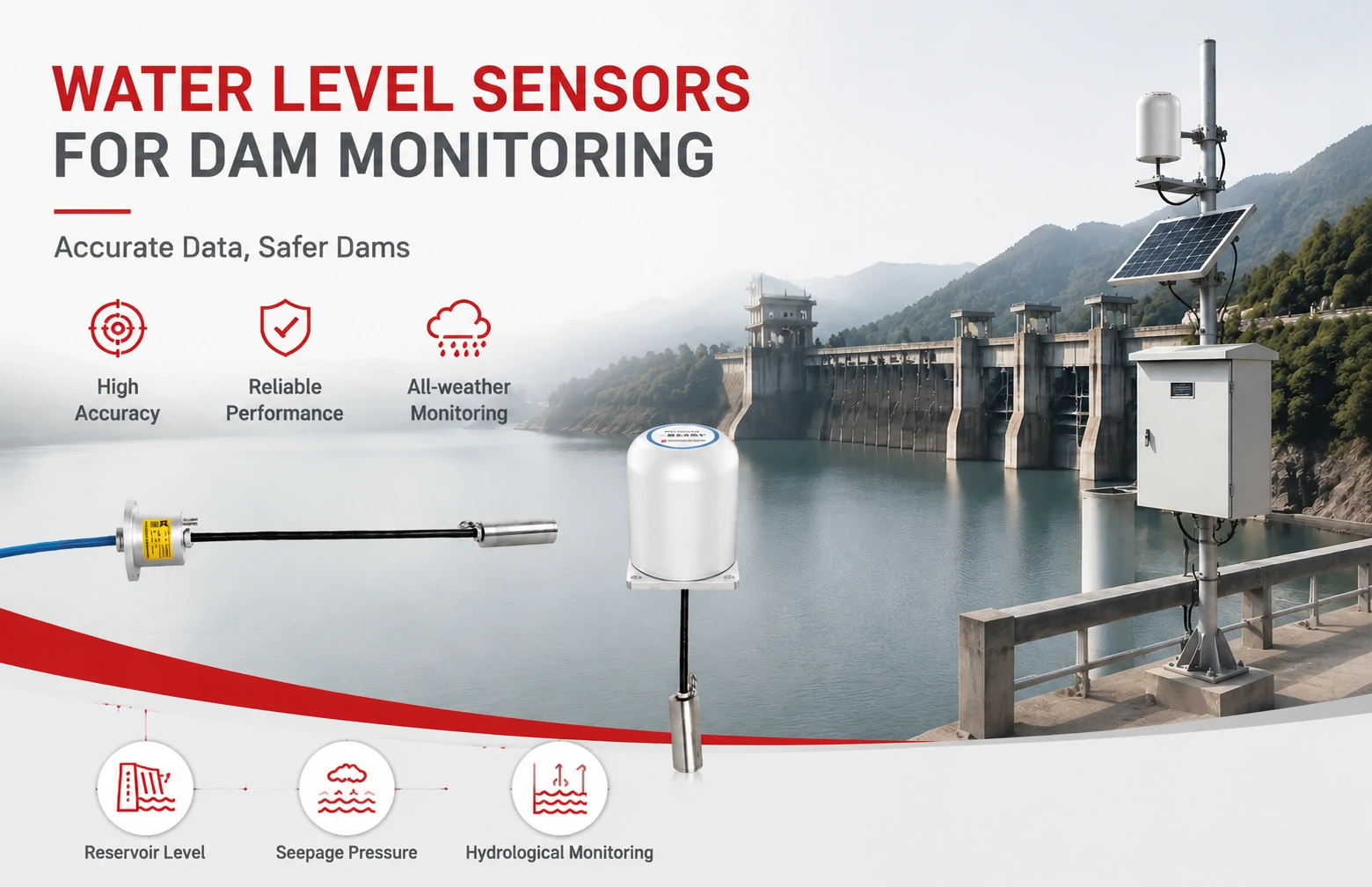
Kingmach Water Level Sensors for Dam Monitoring: A Buyer's Guide to Differential Pre...
Products
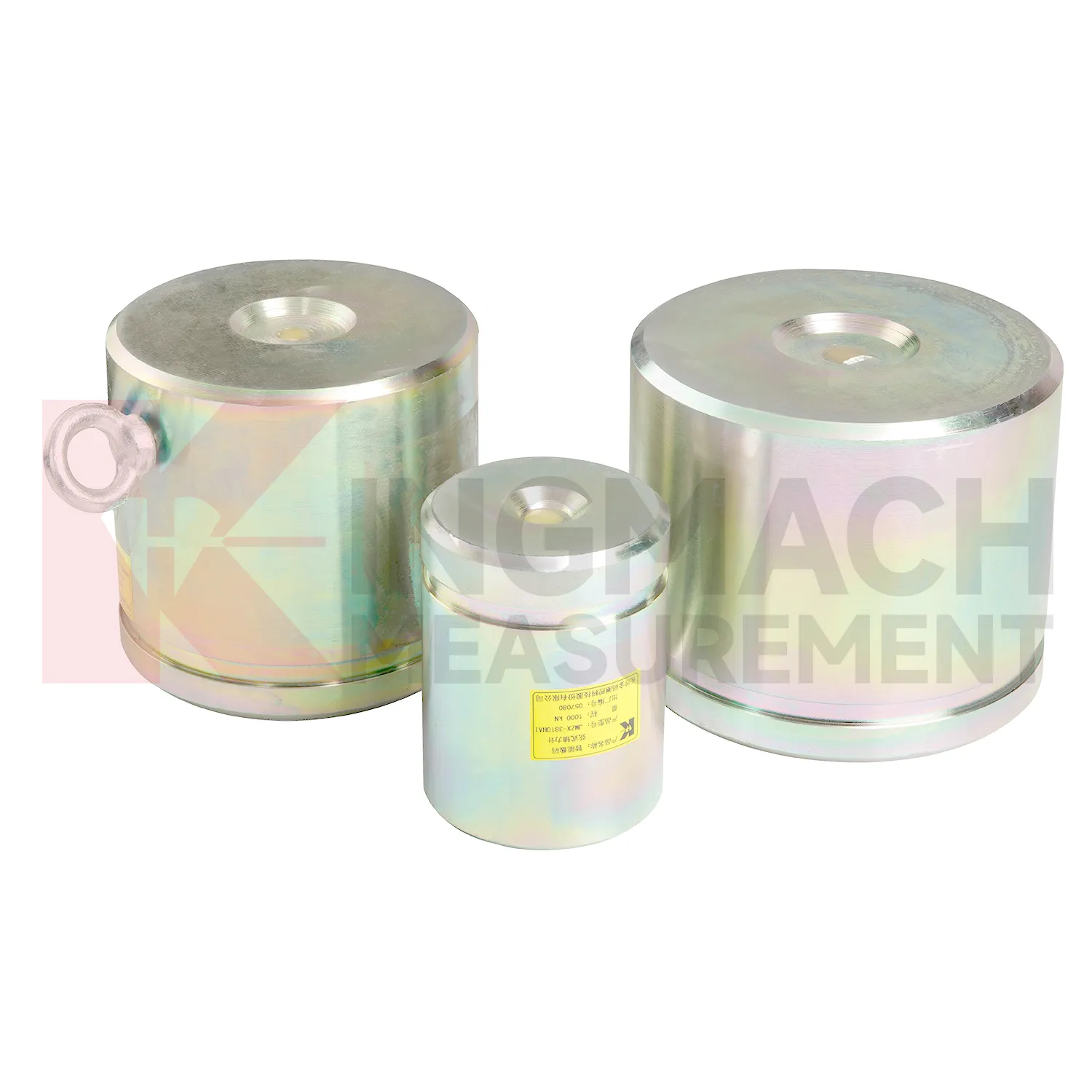
Axial Force Load Meter ( VW & Smart Type)JMZX-38XXHAT
View Details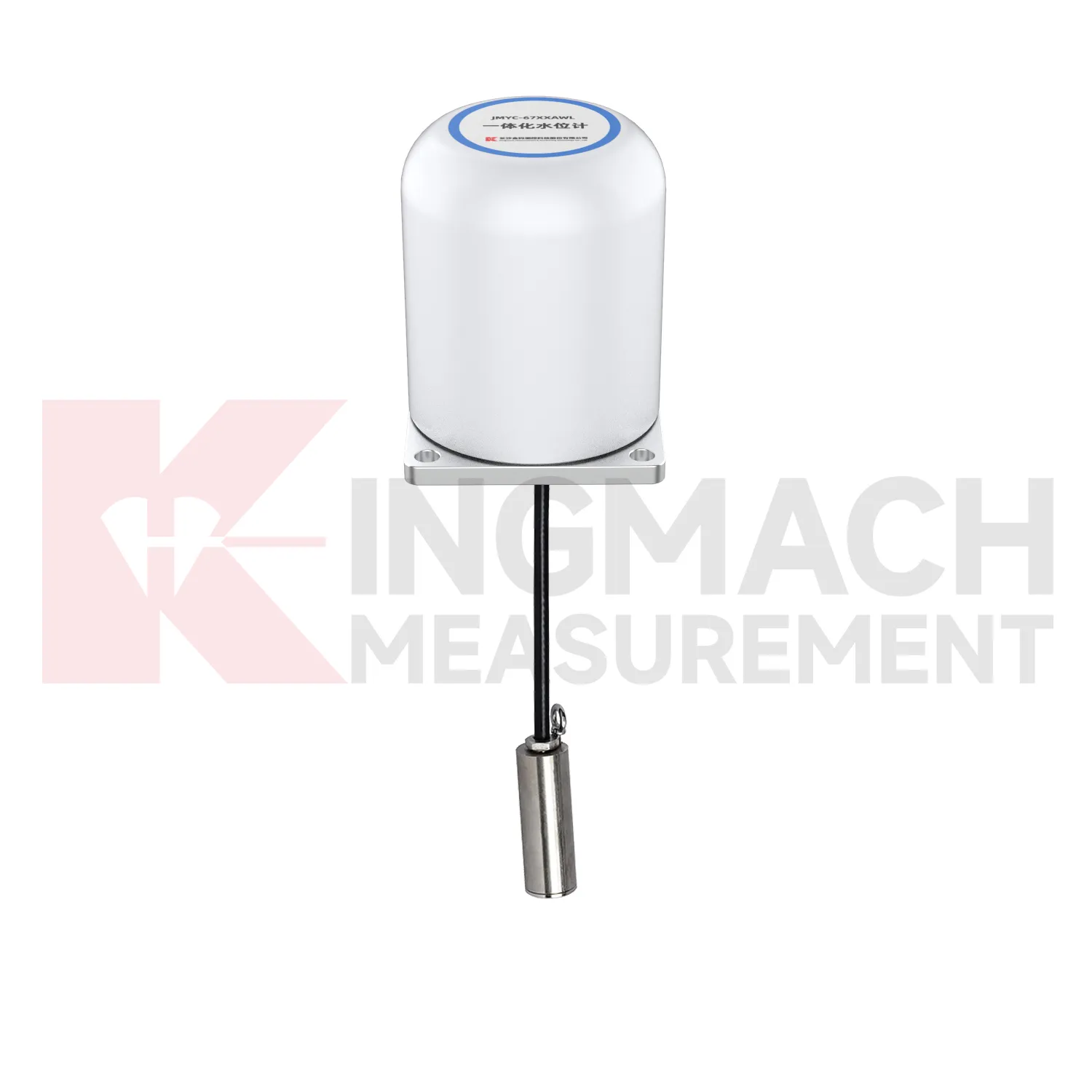
Integrated Wide-Range Differential Pressure Water Level Meter JMYC-67XXAWL
View Details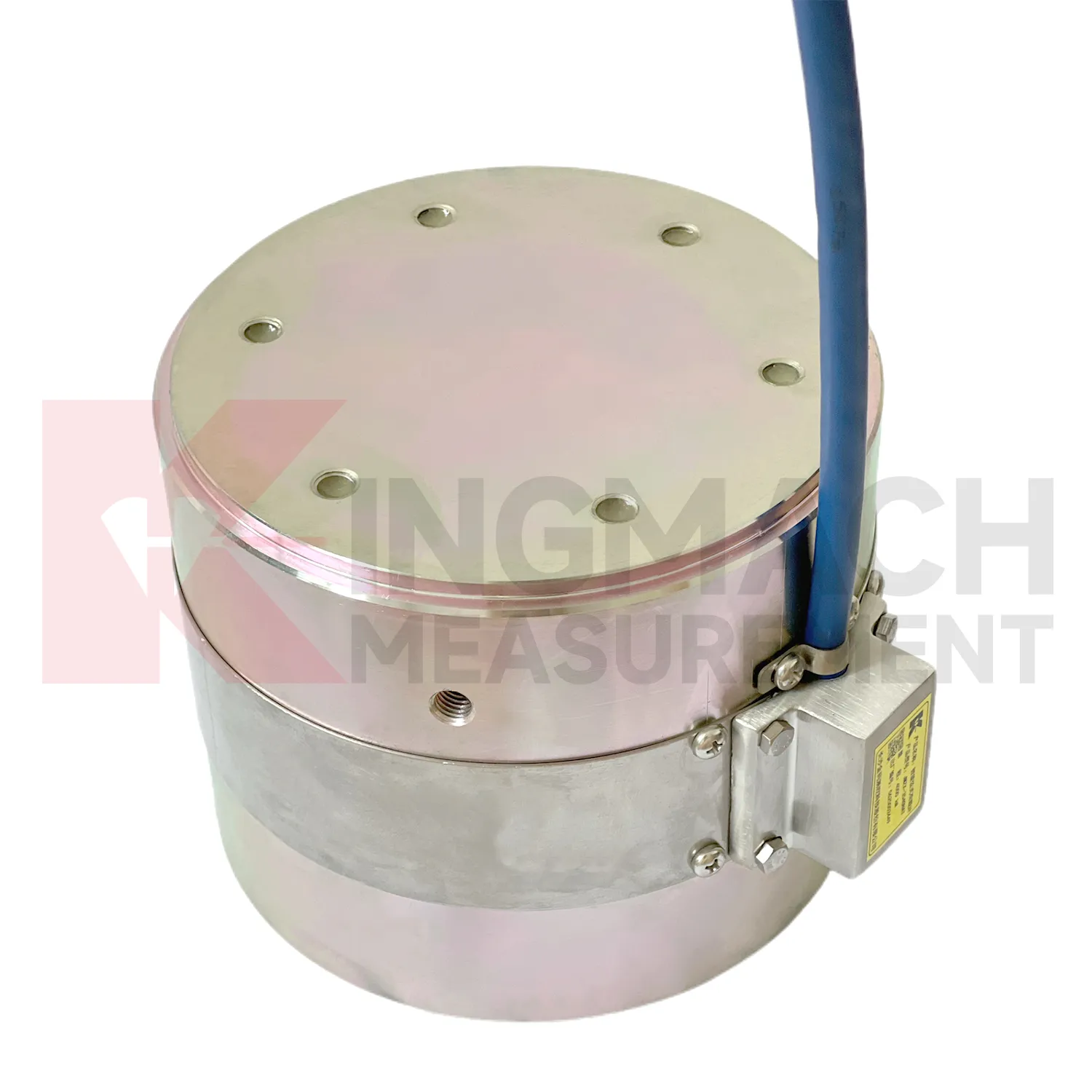
Solid load cell JMZX-34XXHAT、35XXHAT、36XXHAT
View DetailsFAQ
Any tensioned bar, strand, or cable that fits through the center hole. Common examples include ground anchors, rock bolts, tiebacks, cable stays, and prestressing tendons. The cell goes between the bearing plate and the anchor head, so it directly measures the force transmitted to the structure.
Base it on the working load of the anchor plus a safety margin. If the anchor is designed for 500 kN, a 750 kN or 1000 kN cell gives enough headroom without moving too far from the calibration range. Kingmach can help you with the selection if you share the anchor design load and any expected overload conditions.
Yes. The stainless steel body and sealing meet IP68 on most models, so they handle immersion, high humidity, or grouting without drift. The cable entry is also potted, and we can supply longer cable lengths with protective conduits if the monitoring point is deep inside a dam or tunnel.
4-20 mA current loop is less affected by cable resistance over hundreds of meters compared to mV/V. For even longer distances or networked monitoring, RS485 digital output with Modbus protocol allows multiple cells on a single bus, which cuts down wiring in large projects.
Absolutely. The standard hole sizes cover typical anchor diameters, but if you have a nonstandard bar or need a larger bore to fit a grease tube or sleeve, we machine the cell to match. Send us the dimensions, and we’ll confirm what’s feasible without compromising the sensor’s structural integrity.
Share your product type, target capacity, and application requirements. Our team can review the details and recommend a practical next step.
If you are interested in our products or want to become our partner.
Please leave your contact information, our team will contact you as soon as possible.
Mail: [email protected]
Contact Us: +8613808434127
Address: No. 188 Tongzipo West Rd, Changsha, Hunan, China