
 EN
EN
 ar
ar bg
bg hr
hr cs
cs da
da nl
nl fi
fi fr
fr de
de el
el hi
hi it
it ko
ko no
no pl
pl pt
pt ro
ro ru
ru es
es sv
sv tl
tl iw
iw id
id lv
lv lt
lt sr
sr sk
sk sl
sl uk
uk vi
vi et
et hu
hu th
th tr
tr fa
fa ms
ms hy
hy ka
ka ur
ur bn
bn mn
mn ta
ta kk
kk uz
uz ku
ku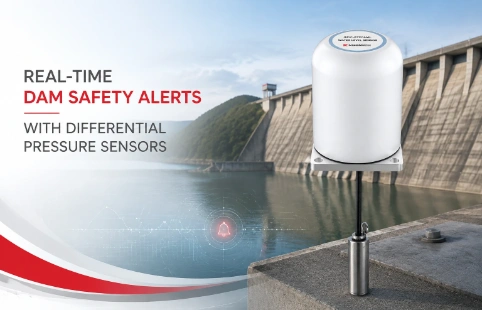
Real-Time Dam Safety Alerts with Differential Pressure Water Level Sensors
Key Takeaways An alert chain needs more than a sensor: define field in...

Fiber Optic Strain Gauges: Precision Structural Monitoring
When monitoring a bridge for fatigue, a single electrical storm can fry conventional strain gauges and wipe out weeks of data. Fiber optic strain gauges sidestep that problem entirely. They use light instead of electricity, so they don’t just survive harsh environments—they deliver readable signals with practically no electromagnetic interference. That reliability is why more civil and geotechnical engineers are shifting toward optical technology for long-term asset monitoring. At Kingmach, we’ve supplied fiber optic strain gauges for tunnels, dams, and high-rise structures across a wide range of soil and weather conditions. Our gauges integrate with most types of optical interrogators, and we customize the sensor length, coating material, and connector style to match the physical constraints of your site. No need to shoehorn a standard sensor into a tricky installation. Our technical team also helps you plan the fiber routing and data flow so you’re not left guessing what the strain values actually mean months later. What sets our approach apart is how we connect the dots between the sensor, the data logger, and the final report. We don’t just ship you parts—we ship the know-how to turn raw optical readings into actionable structural health information.
Technical Detail
Fiber optic strain gauges operate on a simple principle: a change in strain alters the wavelength of light reflected within a fiber segment. That shift gets decoded by an interrogator, giving you a direct strain measurement at a point without any electrical components near the sensing zone. This makes the sensors immune to electromagnetic interference, lightning strikes, and conductive corrosion—practical concerns when you’re embedding gauges inside a concrete dam or bolting them to a steel bridge girder for a decade. Kingmach supplies a wide range of these optical strain sensors, with options that can be chained along a single fiber over distances exceeding several kilometers. That cuts down cabling clutter and data acquisition costs compared to running dozens of individual twisted-pair wires back to a logger. The gauges are typically available in standard gauge lengths from a few centimeters to several decimeters, but we frequently adjust the active length, coating material, and termination style to match a project’s specific installation method and chemical exposure. We’ve delivered sensors armored for direct embedment in concrete, with rugged jacket materials for surface-mount outdoor use on bridges, and in stainless steel housings for underwater or high-humidity environments. Installation doesn’t have to be a headache. The sensors bond similarly to resistive strain gauges using industrial adhesives, but without the worry of moisture degrading electrical connections. For large arrays, our team can help you design a fiber routing plan that minimizes in-field splicing and optical loss—an issue that becomes critical on remote sites without easy access to fiber specialists. Data integration is another area where we fill the gap. While Kingmach doesn’t force you to buy a specific interrogator, our application engineers can recommend third-party units that match your strain range, resolution, and sampling rate. We also provide calibration sheets that link the optical wavelength shift to strain in straightforward µε values, so your structural engineering team can plug the numbers directly into their finite element models. This blend of customizable hardware and straight-talking support makes optical strain monitoring practical for firms that previously found it too complex or expensive to adopt.
News
Key Takeaways An alert chain needs more than a sensor: define field in...
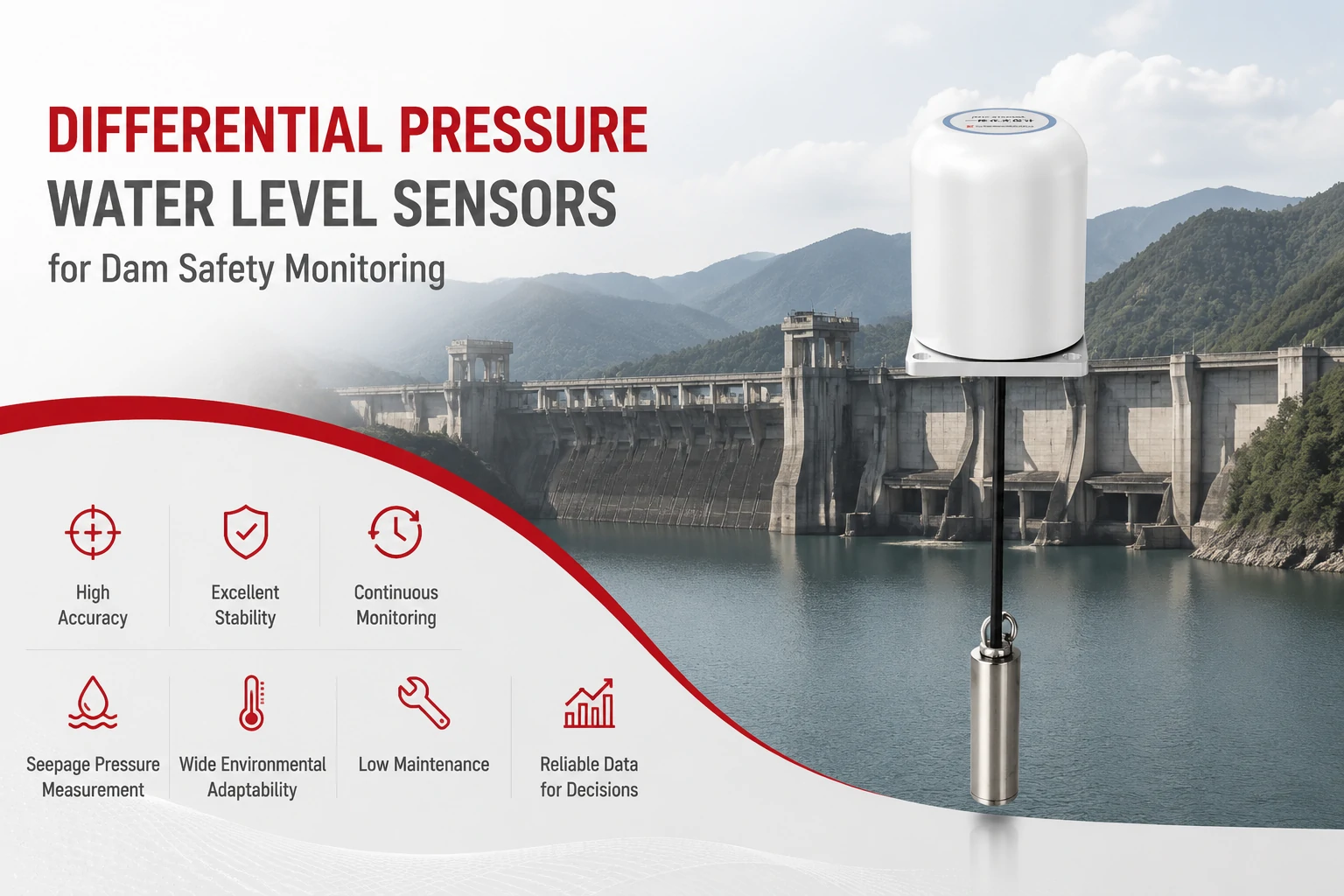
Key Takeaways The strongest fit is usually a confined, submerged, or s...
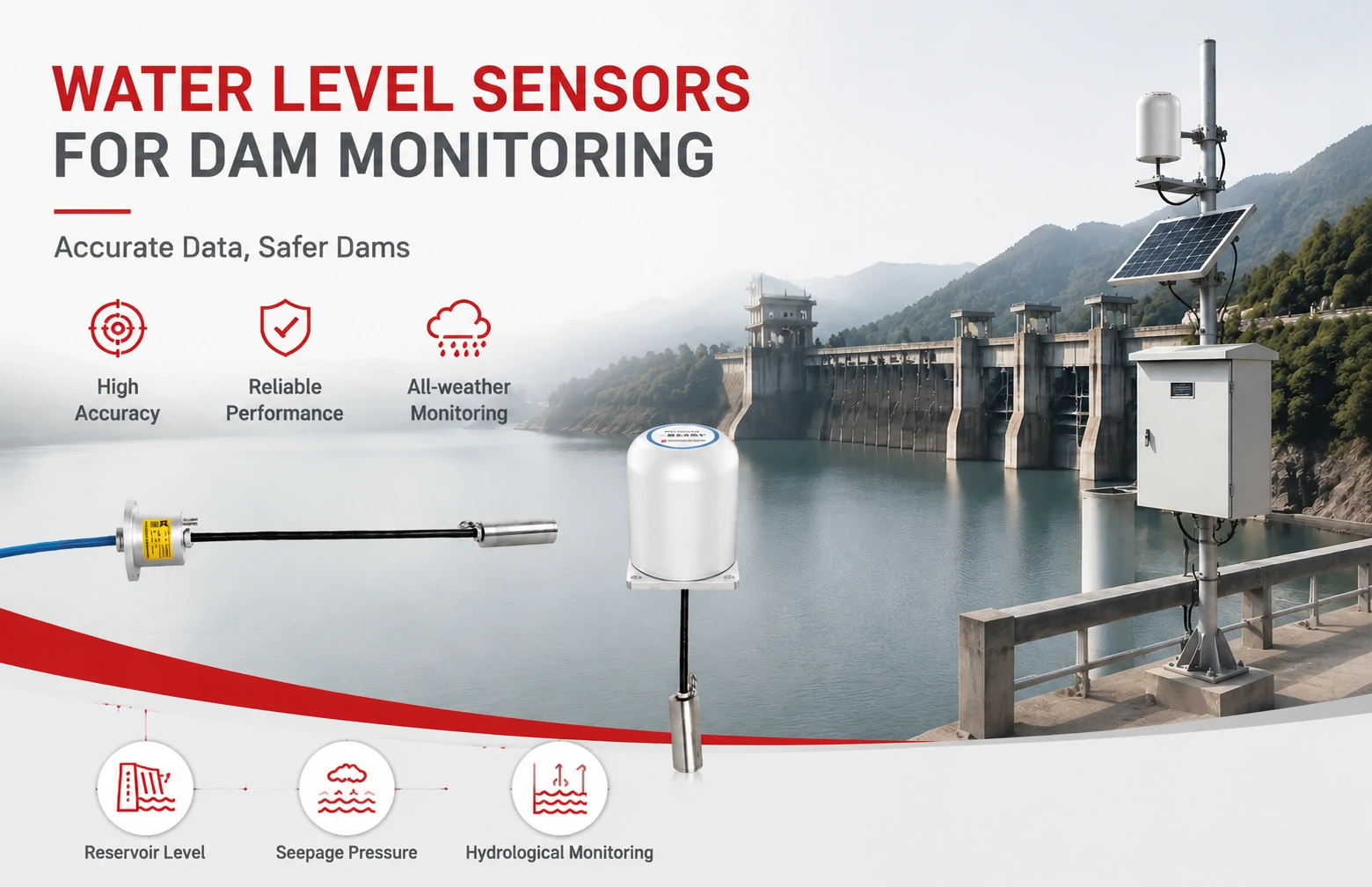
Kingmach Water Level Sensors for Dam Monitoring: A Buyer's Guide to Differential Pre...
Products
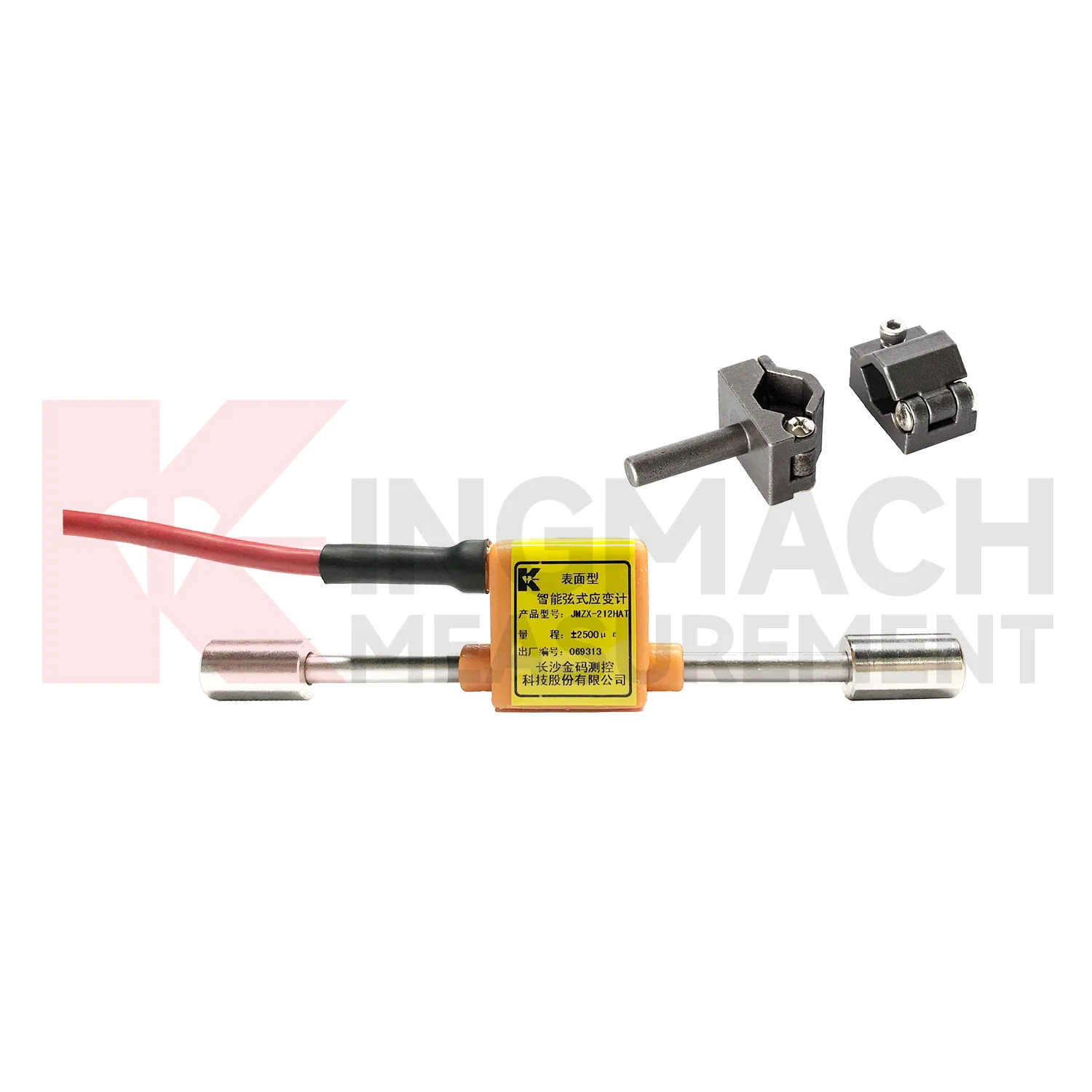
Smart vibrating wire strain gauge (surface model) JMZX-212HAT/HB
View Details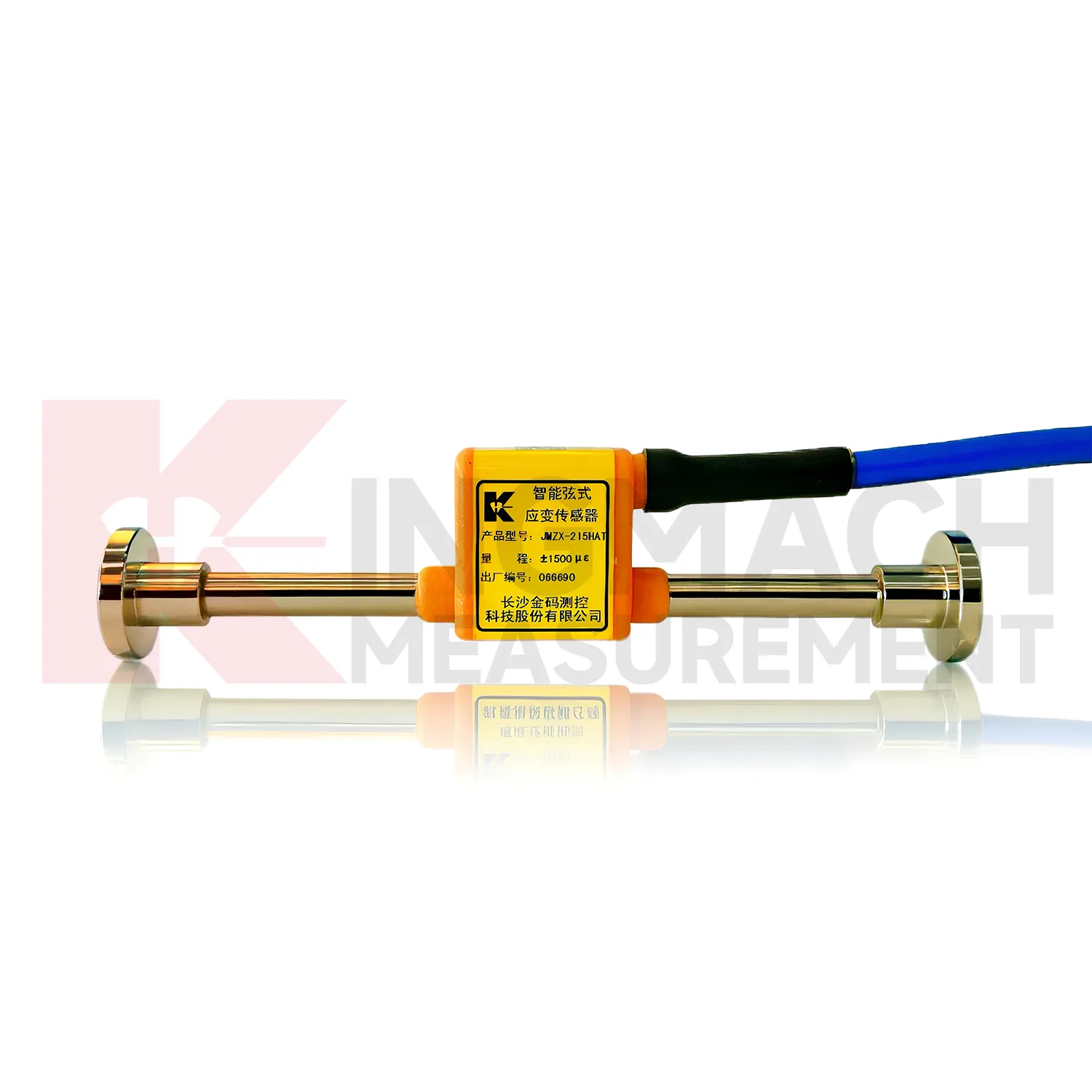
Smart vibrating wire strain gauge (embedment model) JMZX-215HA/215HAT/HB
View Details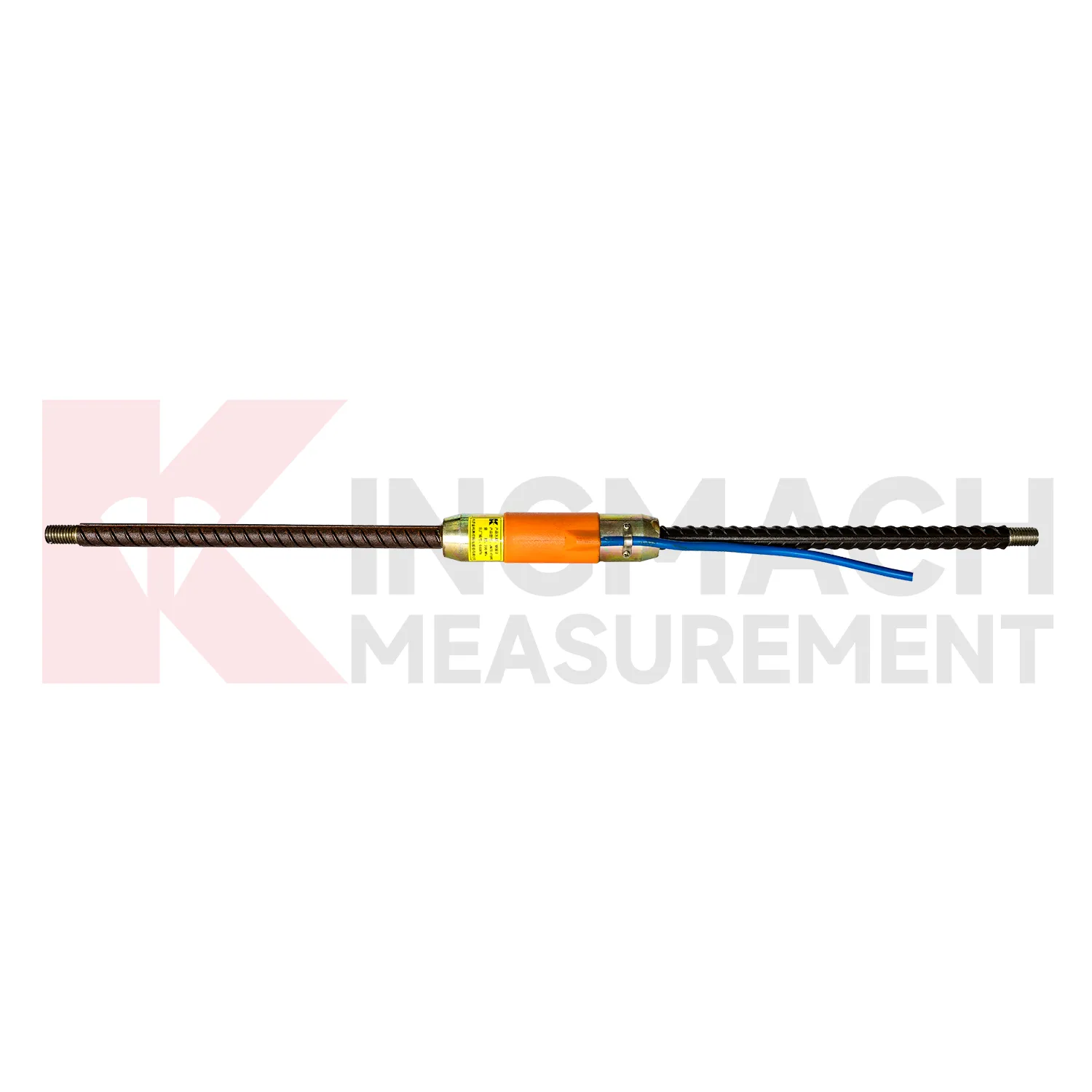
Rebar Strainmeters ( VW & Smart Type) JMZX-4XXHAT/HB
View DetailsFAQ
They use fiber Bragg gratings that reflect a specific wavelength of light. When the fiber is strained, the grating period changes, causing a measurable wavelength shift. This shift is decoded by an interrogator to give precise strain readings, without any electrical parts at the sensing point.
They are immune to electromagnetic interference and lightning, do not corrode electrically, can be multiplexed in series over kilometers on a single fiber, and are ideal for long-term monitoring in harsh environments like dams, bridges, and tunnels.
Yes. We tailor gauge length, coating material, connector type, and housing to your installation method and environmental conditions. Our team also helps with fiber routing and data integration plans.
We offer application engineering support to match interrogators, provide calibration sheets that convert wavelength shift to strain in microstrain, and assist with installation planning to ensure reliable long-term data.
Absolutely. We supply sensors with rugged coatings and stainless steel housings designed for direct embedment in concrete, as well as surface-mount options for steel structures and underwater use.
Share your product type, target capacity, and application requirements. Our team can review the details and recommend a practical next step.
If you are interested in our products or want to become our partner.
Please leave your contact information, our team will contact you as soon as possible.
Mail: [email protected]
Contact Us: +8613808434127
Address: No. 188 Tongzipo West Rd, Changsha, Hunan, China