
 EN
EN
 ar
ar bg
bg hr
hr cs
cs da
da nl
nl fi
fi fr
fr de
de el
el hi
hi it
it ko
ko no
no pl
pl pt
pt ro
ro ru
ru es
es sv
sv tl
tl iw
iw id
id lv
lv lt
lt sr
sr sk
sk sl
sl uk
uk vi
vi et
et hu
hu th
th tr
tr fa
fa ms
ms hy
hy ka
ka ur
ur bn
bn mn
mn ta
ta kk
kk uz
uz ku
ku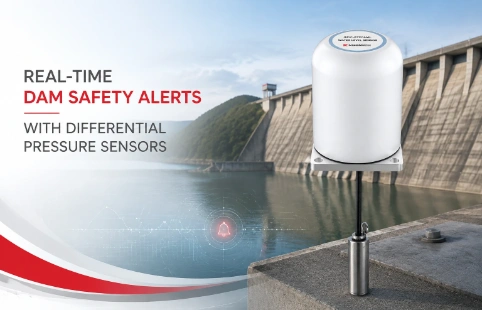
Real-Time Dam Safety Alerts with Differential Pressure Water Level Sensors
Key Takeaways An alert chain needs more than a sensor: define field in...

Digital Traversing Inclinometer: Real Data for Ground Movement
A slope that shifts half a millimeter can spell trouble weeks before a failure. Catching that movement early depends on instruments that don’t drift or lie. Digital traversing inclinometers have become the go‑to for engineers who need continuous, repeatable profiles of subsurface deformation. Kingmach sits in the middle of the market—professional enough to handle demanding geotechnical jobs, without the inflated price tags that come with boutique sensor brands. Rather than pushing a single product line, the company maintains a wide range of geotechnical instruments, so the inclinometer you get isn’t a one‑size‑fits‑all afterthought. Customizations are possible when project specs call for unusual casing diameters or communication protocols. The point isn’t just buying a probe; it’s getting a system that aligns with how you actually inspect and report.
Technical Detail
Kingmach manufactures geotechnical instruments for monitoring deformation, pressure, and water levels. The digital traversing inclinometer lineup fits into that broader ecosystem. Most probes on the market now rely on MEMS accelerometers; Kingmach’s versions are no exception, but the internal calibration and signal processing are tuned to reduce long‑term zero drift—one of the main headaches with older analog units. Probes typically measure in two orthogonal axes simultaneously, so one pass down the casing gives you both A‑axis and B‑axis displacement. Readings from ±30° from vertical are standard; some projects require ±60°, and Kingmach can supply wider‑range sensors on request. Wireless data transmission has become almost mandatory on large sites. Bluetooth‑enabled readout units let the field crew sync data to a tablet without tangled cables. From a durability standpoint, the stainless‑steel bodies are sealed against water ingress—routine in this class, but Kingmach adds a double o‑ring design at the connector points that service crews appreciate after a few hundred deployments in muddy boreholes. The factory also supplies compatible PVC inclinometer casing and wheel assemblies, which means one less vendor to coordinate with. After‑sales support from regional distributors includes calibration checks and firmware updates, so the instrument stays traceable year after year. Because the company works with a global distribution network, local stock and repair turnaround can be faster than ordering from a single overseas headquarters.
News
Key Takeaways An alert chain needs more than a sensor: define field in...
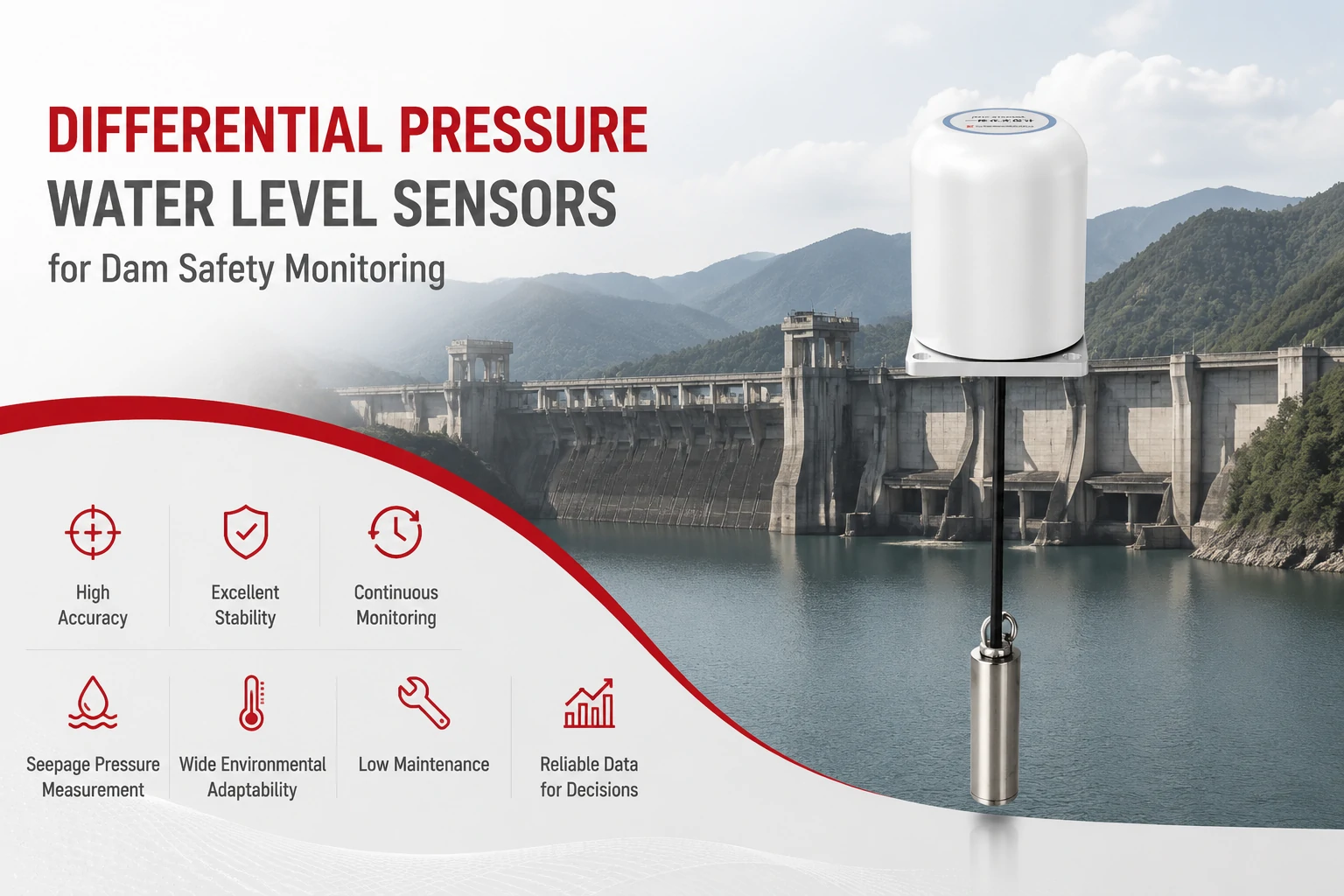
Key Takeaways The strongest fit is usually a confined, submerged, or s...
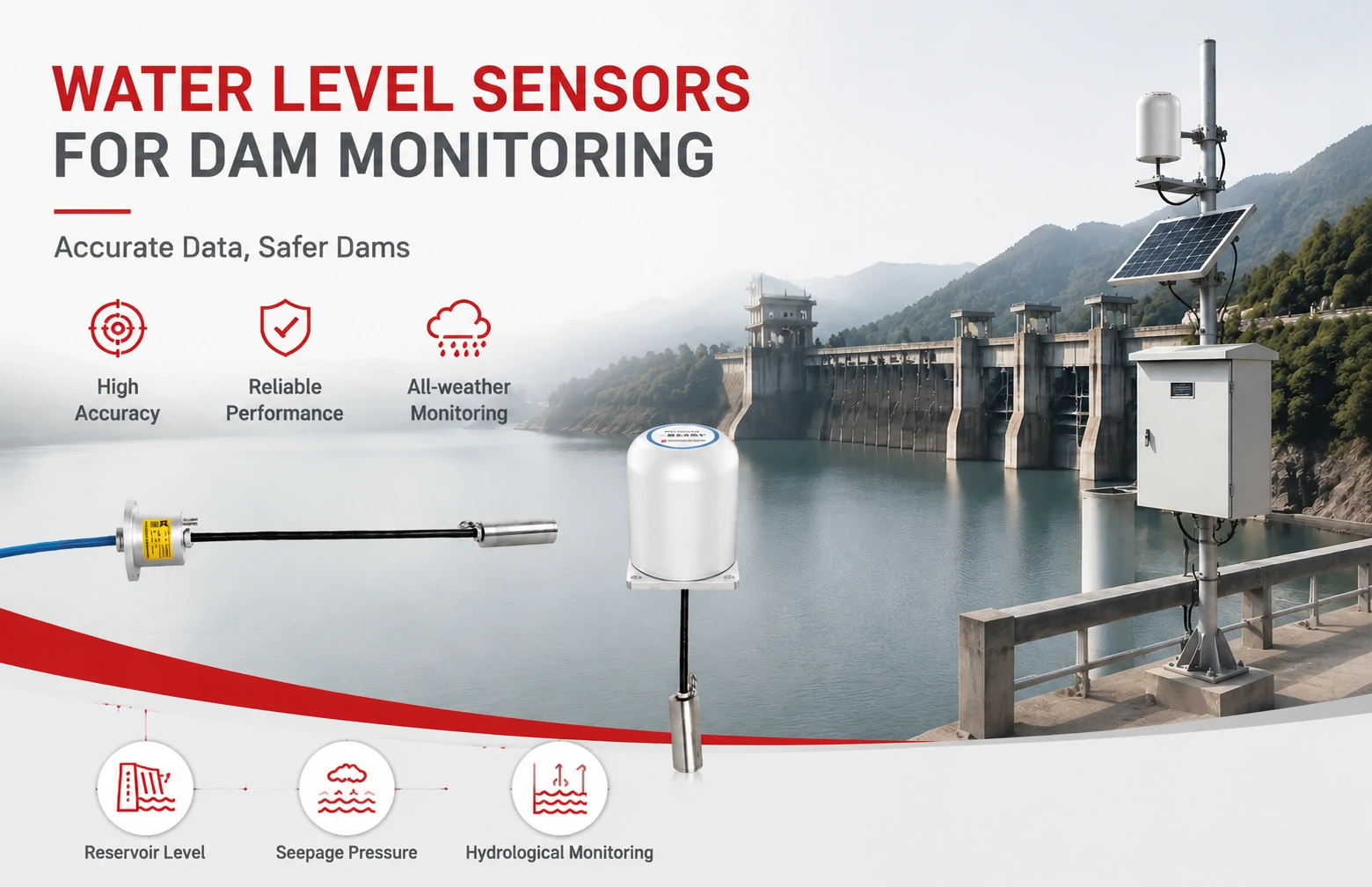
Kingmach Water Level Sensors for Dam Monitoring: A Buyer's Guide to Differential Pre...
Products
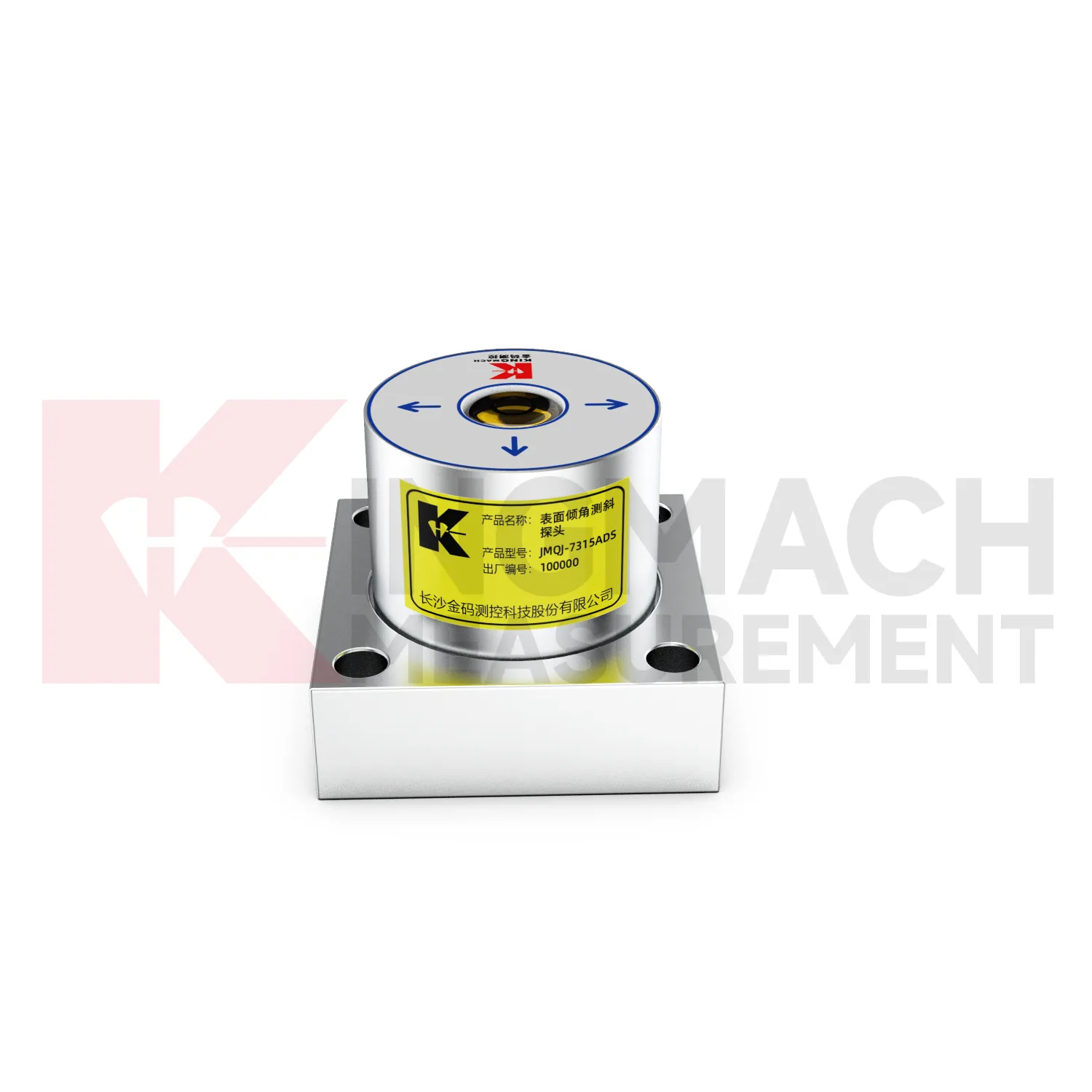
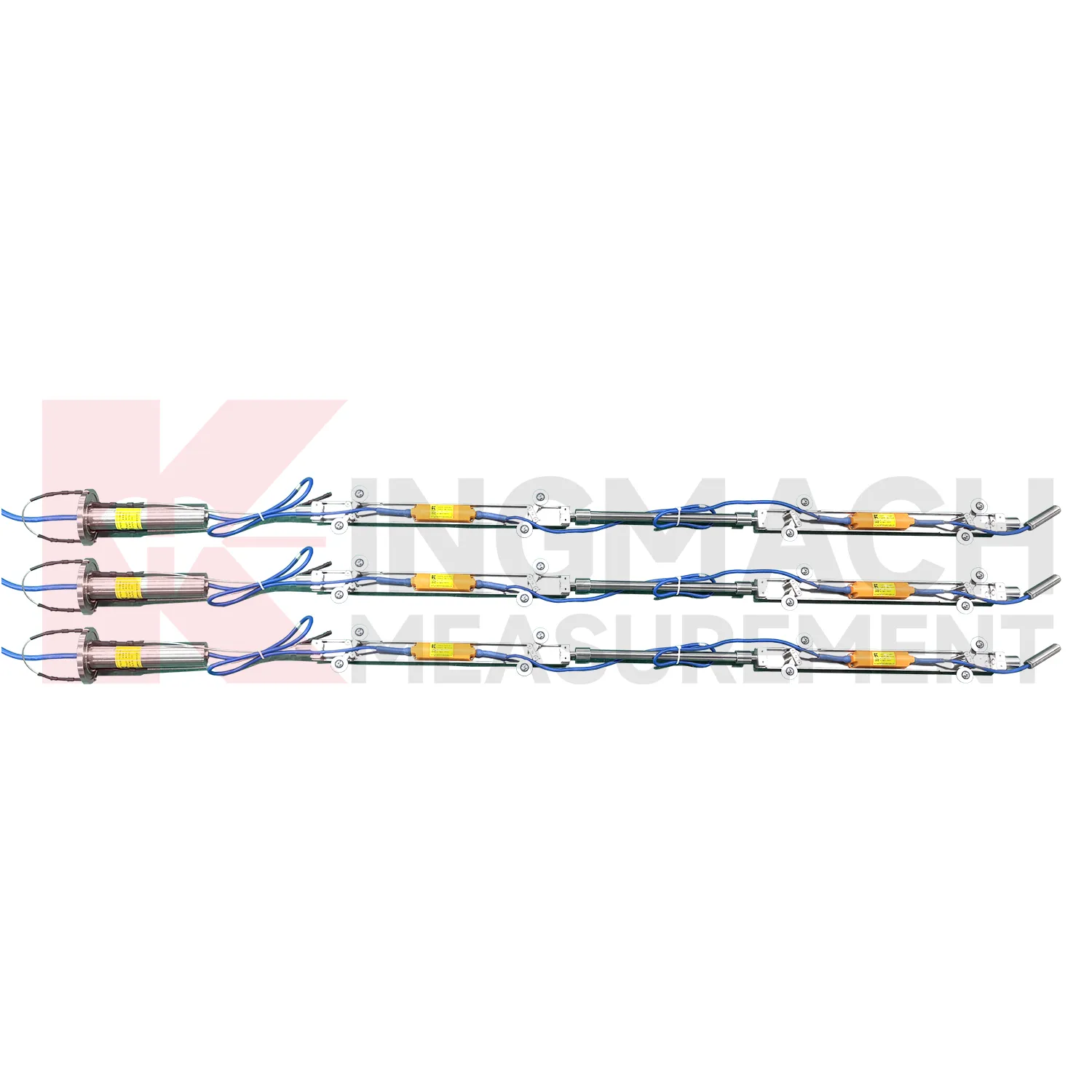
Vertical In-Place Inclinometer System JMQJ-7915ATS
View Details
FAQ
There isn’t a fixed limit in the probe itself, but practical depth is set by the casing installation. Most projects use 50 m to 100 m boreholes. Kingmach’s probes interface with standard 70 mm or 85 mm inclinometer casings. If you need to go deeper, you’ll want to check the cumulative friction in the groove and possibly use a heavier wheel carriage.
A traversing probe is lowered manually each time you take a survey—you get a profile from bottom to top, usually at regular intervals. An in‑place system has sensors fixed at multiple depths, reading continuously. Traversing is cheaper per hole and lets you re‑use one probe across many boreholes. In‑place is better when you need real‑time alarms. Kingmach carries both types, so you aren’t forced into one approach.
It will if the casing dimensions and groove geometry match industry standards. However, using Kingmach’s own casing eliminates tolerance guesses. The probe diameter and wheel spacing are designed around their casing product, which reduces wobble and improves repeatability.
Most manufacturers recommend annual calibration. Field checks with a calibration stand help catch drift early. If the probe sees heavy use or gets knocked around during transport, a mid‑year verification is wise. Kingmach’s service partners handle recalibration and provide a certificate.
Yes, but the casing has to survive the rough backfill and high compressive loads. PVC casing isn’t always sufficient. Kingmach can advise on reinforced casing options and installation methods that protect the access tube in coarse rockfill environments.
Share your product type, target capacity, and application requirements. Our team can review the details and recommend a practical next step.
If you are interested in our products or want to become our partner.
Please leave your contact information, our team will contact you as soon as possible.
Mail: [email protected]
Contact Us: +8613808434127
Address: No. 188 Tongzipo West Rd, Changsha, Hunan, China