
 EN
EN
 ar
ar bg
bg hr
hr cs
cs da
da nl
nl fi
fi fr
fr de
de el
el hi
hi it
it ko
ko no
no pl
pl pt
pt ro
ro ru
ru es
es sv
sv tl
tl iw
iw id
id lv
lv lt
lt sr
sr sk
sk sl
sl uk
uk vi
vi et
et hu
hu th
th tr
tr fa
fa ms
ms hy
hy ka
ka ur
ur bn
bn mn
mn ta
ta kk
kk uz
uz ku
ku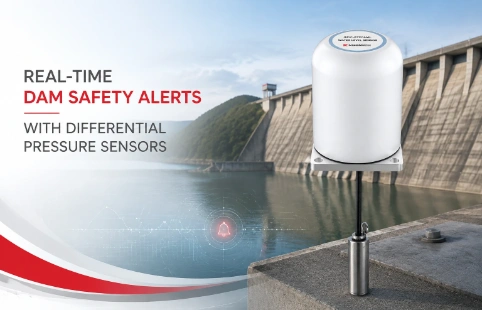
Real-Time Dam Safety Alerts with Differential Pressure Water Level Sensors
Key Takeaways An alert chain needs more than a sensor: define field in...

Concrete Strain Gauges for Structural Health Monitoring
Measuring strain in concrete isn’t about checking a box—it’s about spotting trouble before it turns costly. When a bridge deck starts to crack or a dam shows unexpected stress, the right concrete strain gauge gives you numbers you can act on. Kingmach, a manufacturer focused on geotechnical instruments, supplies these gauges to projects where accuracy matters and years of exposure to weather, water, and load can’t be ignored. Our range covers surface‑mount and embedment types, so you can match the gauge to the pour schedule and the structure’s shape. And because every site has its quirks, we offer customization when off‑the‑shelf isn’t quite right. From tunnel linings to high‑rise cores, these gauges turn invisible deformation into a record you can trust.
Technical Detail
Concrete strain gauges monitor how a structure behaves under load—thermal expansion, bending, creep—and they do it over decades. The demands are straightforward: the gauge must stay bonded, the signal must stay clean, and the reading must stay meaningful. Kingmach builds on that by offering a range that fits different installation methods and environment conditions. For cast‑in‑place concrete, embedment strain gauges with robust cable exits survive the vibrator and the pour. For existing structures, surface‑mount gauges with a low profile avoid damage from traffic or formwork. Temperature compensation is standard—most models include a built‑in thermistor—because concrete expands and contracts, and you need to separate thermal effect from real stress. Long‑term stability comes from the sensing element and the waterproofing details; we design for submersion, high humidity, and freeze‑thaw cycles. Kingmach’s production line includes different gauge lengths, resistance values, and mounting accessories, and we can adjust those to your project’s specifications. We also provide calibration data and installation guidance through our technical team and distributor network, so even first‑time users get the gauge working right. What you end up with is a sensor that just runs, feeding data to your logger for years without drift that would make you lose sleep.
News
Key Takeaways An alert chain needs more than a sensor: define field in...
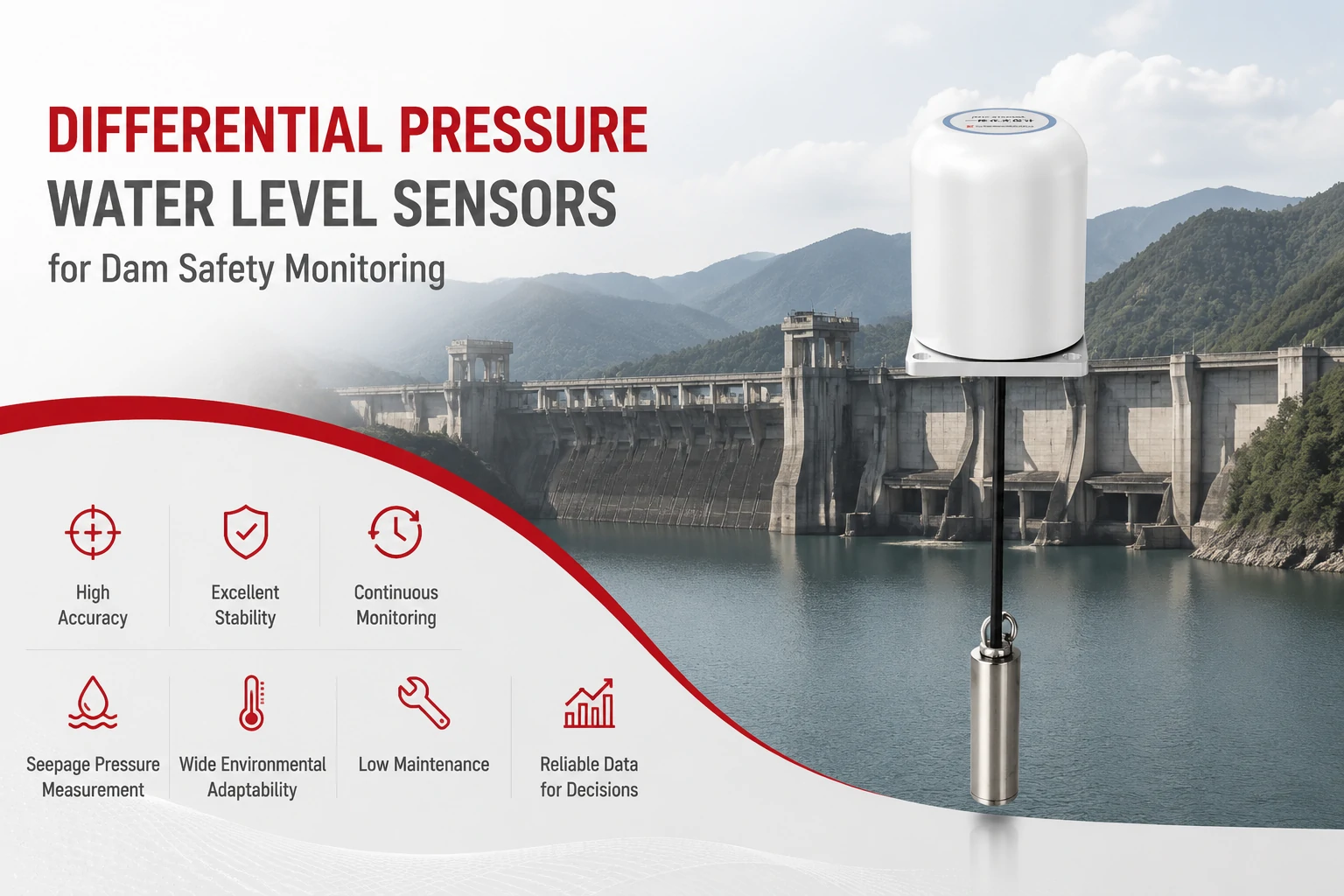
Key Takeaways The strongest fit is usually a confined, submerged, or s...
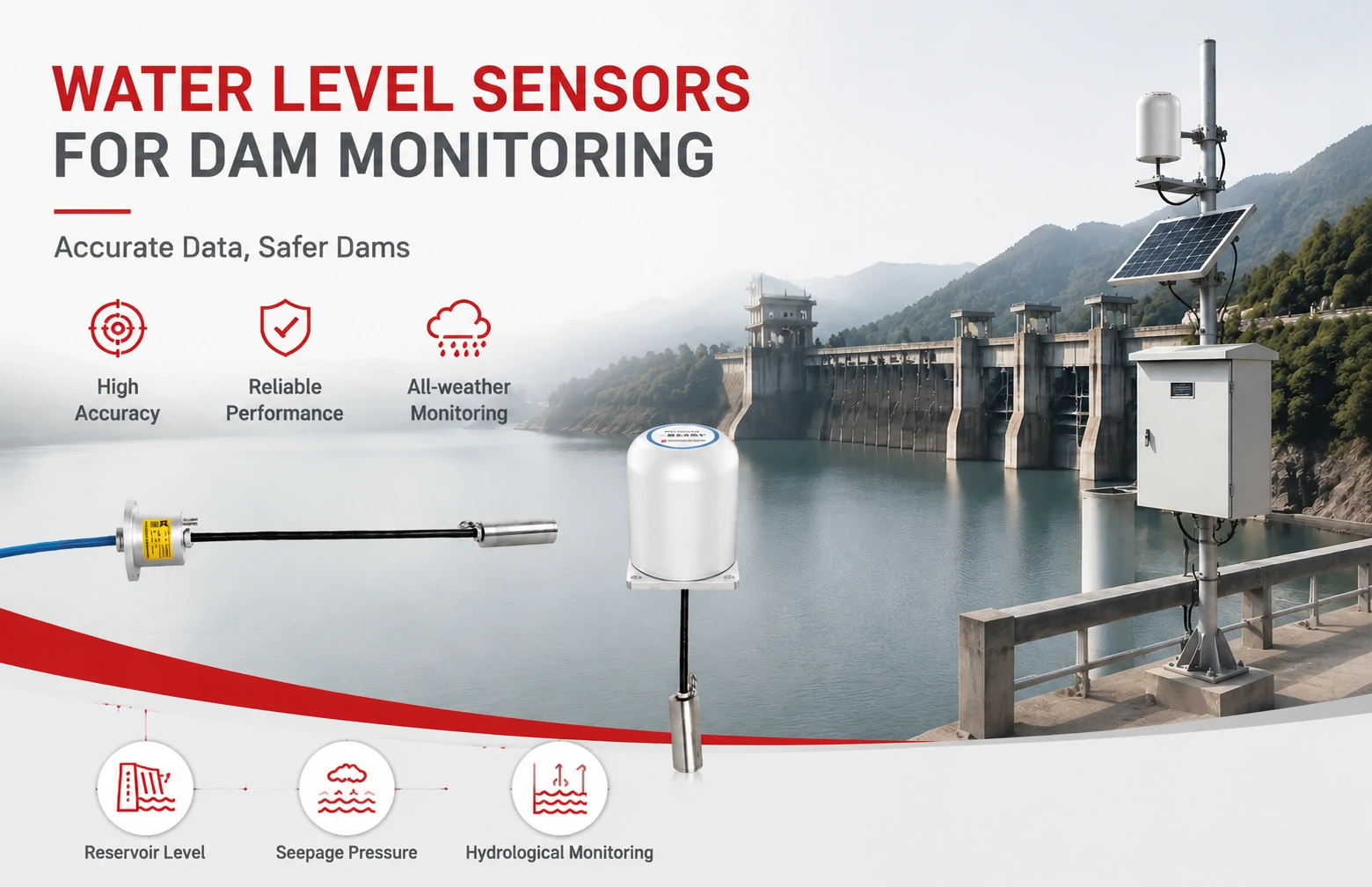
Kingmach Water Level Sensors for Dam Monitoring: A Buyer's Guide to Differential Pre...
Products
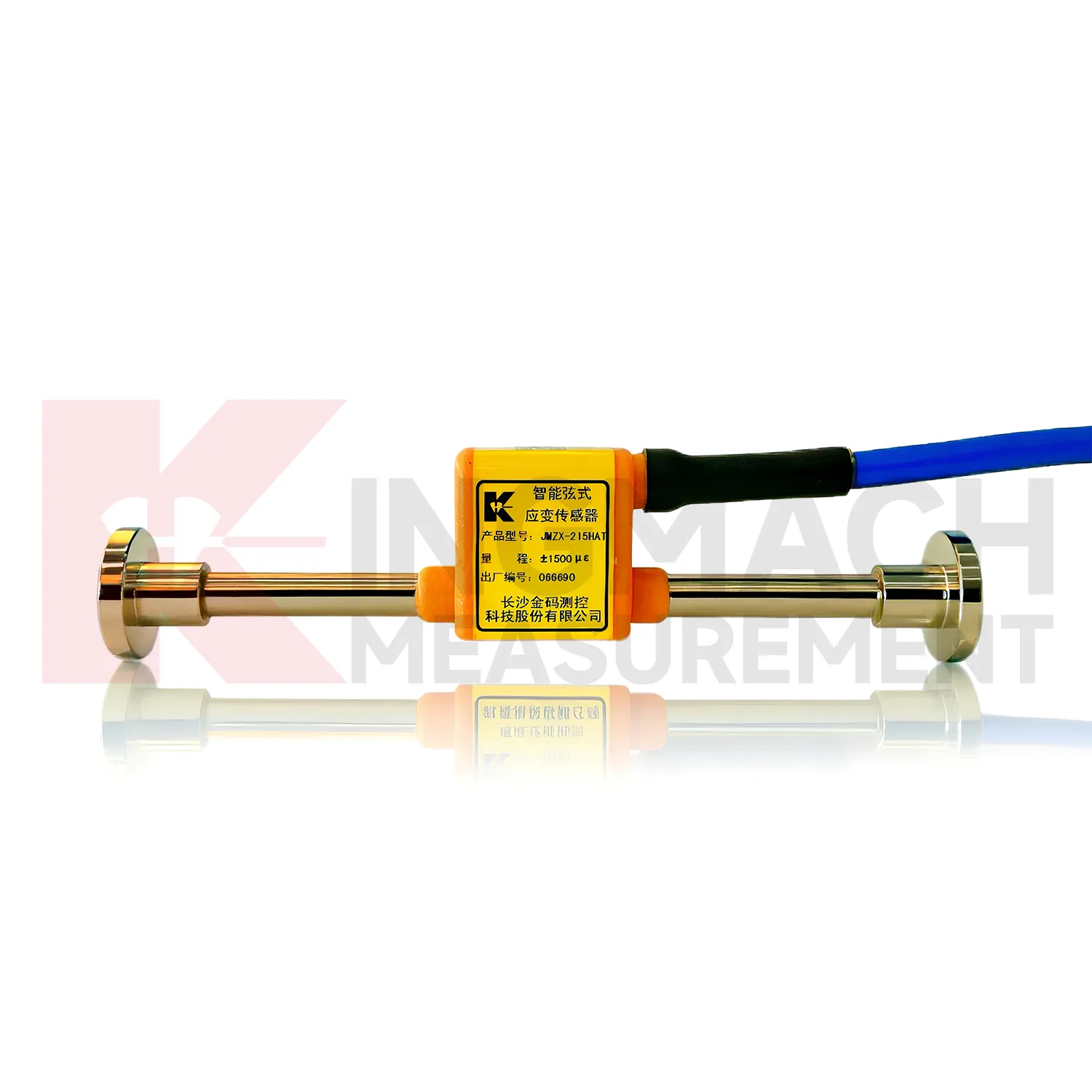
Smart vibrating wire strain gauge (embedment model) JMZX-215HA/215HAT/HB
View Details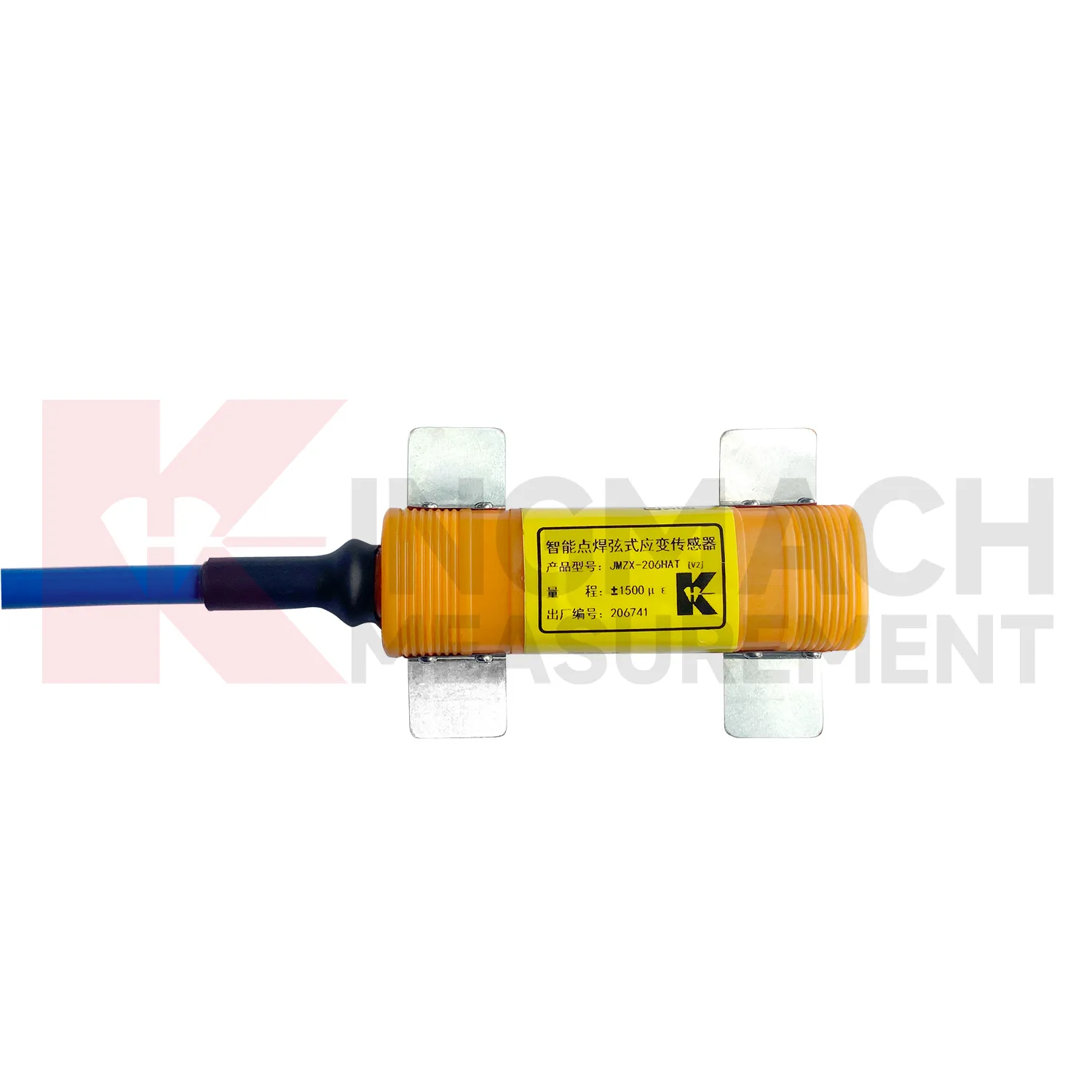
Smart vibrating wire strain gauge (surface welded model) JMZX-206HAT
View Details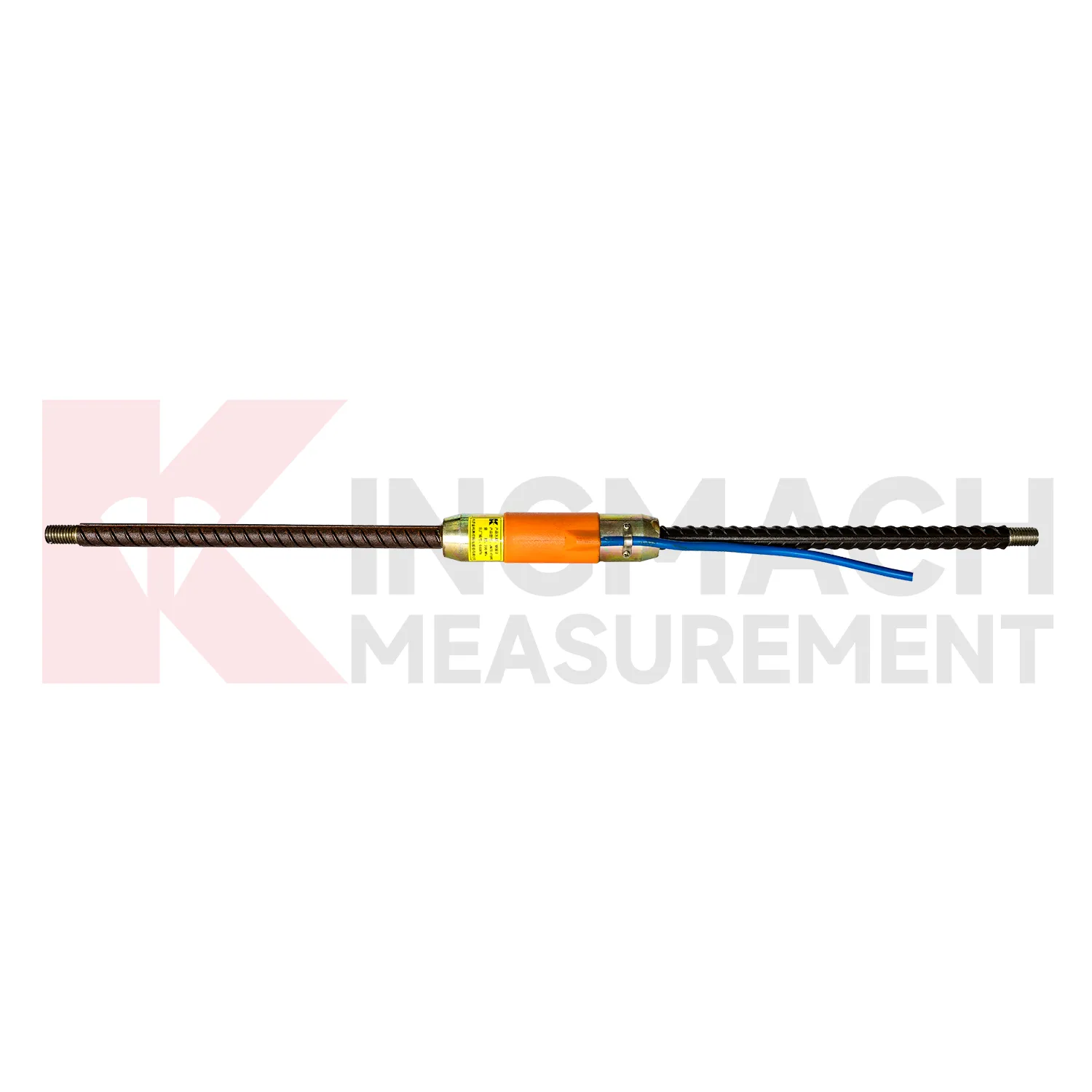
Rebar Strainmeters ( VW & Smart Type) JMZX-4XXHAT/HB
View DetailsFAQ
We stock two main families: embedment gauges for fresh concrete and surface‑mount gauges for hardened structures. Embedment types have flanges or anchor blocks to lock into the concrete; surface types come with mounting tabs for bolting, spot‑welding, or adhesive bonding. Both are available in various gauge lengths and resistance values. If you need a different configuration—say a custom length or a specific lead‑wire material—we typically can adjust it.
The weak point is usually the cable exit. We reinforce ours with a rugged boot and use a splice location away from the sensor body. Before casting, secure the gauge to the rebar with tie wire so it doesn’t float or rotate. After pouring, the vibrator shouldn’t touch the gauge directly. If you follow those steps, survival rate is high even in mass pours.
Concrete expands and contracts with temperature, so the gauge will pick up both stress and thermal strain. Most of our strain gauges include a thermistor so you can measure temperature at the same point and correct the strain data. For outdoor jobs with big temperature swings, this correction is essential to get the real mechanical strain.
We’ve seen installations still reading well after 20 years. The limiting factors are usually corrosion of the lead‑wire or physical damage—not the gauge element itself. Our waterproofing and cable jacket materials are chosen to handle high‑alkaline concrete and water exposure. With proper installation, there’s no reason an embedment gauge shouldn’t outlast the structure’s design life.
Yes. Each gauge leaves our factory with a calibration sheet that shows the gauge factor, zero reading, and thermistor resistance‑temperature table. That data is specific to the serial number. If you need an independent calibration certificate for QA, we can arrange it through our technical support team.
Share your product type, target capacity, and application requirements. Our team can review the details and recommend a practical next step.
If you are interested in our products or want to become our partner.
Please leave your contact information, our team will contact you as soon as possible.
Mail: [email protected]
Contact Us: +8613808434127
Address: No. 188 Tongzipo West Rd, Changsha, Hunan, China