
 EN
EN
 ar
ar bg
bg hr
hr cs
cs da
da nl
nl fi
fi fr
fr de
de el
el hi
hi it
it ko
ko no
no pl
pl pt
pt ro
ro ru
ru es
es sv
sv tl
tl iw
iw id
id lv
lv lt
lt sr
sr sk
sk sl
sl uk
uk vi
vi et
et hu
hu th
th tr
tr fa
fa ms
ms hy
hy ka
ka ur
ur bn
bn mn
mn ta
ta kk
kk uz
uz ku
ku
Smart Weir Flow Meter
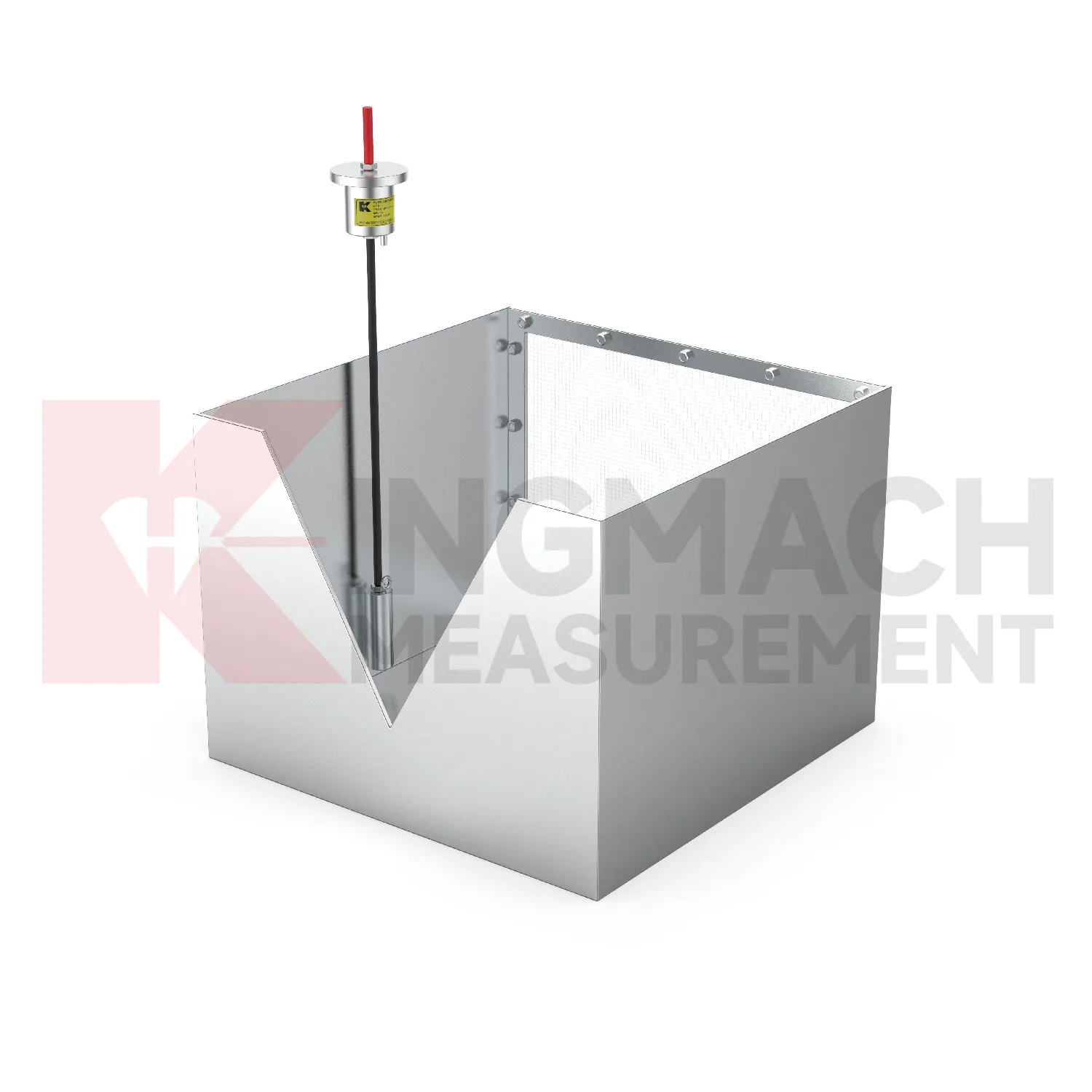
Kingmach Smart Weir Flow Meter turns a small water level change into a usable flow trend. Many water projects do not need only a single discharge value; they need to know whether flow is rising, falling, delayed after rainfall, reduced after sediment build-up, or affected by upstream operation. The weir point gives a control section, while the water head record gives the time-based signal. Engineers can then compare flow with rainfall, gate operation, pump status, drainage reports, seepage observation, or field inspection. This makes the record useful for operation and diagnosis. A flow increase during rain may be expected, but a flow increase during dry conditions may need attention. A slow decline may point to blockage or changed channel conditions. The product information can make these review paths clear without presenting the meter as a standalone device. The field record should explain the water path, the condition before the reading changed, the inspection access, and whether nearby operations or weather events affected the channel. This keeps the flow curve connected to real site behavior rather than leaving it as an isolated number. A practical review also checks whether the measuring section remained clean and hydraulically stable. Sediment, debris, vegetation, downstream backwater, or a disturbed approach can change the meaning of the same water-head reading, so those conditions belong in the project notes.
Application of Smart Weir Flow Meter
Integrated monitoring platforms use Kingmach Smart Weir Flow Meter as the flow layer beside rainfall, water level, seepage, settlement, displacement, and environmental records. The platform should not treat flow as an isolated number. Each flow point should be linked to the water path it represents and the engineering question it supports. For a slope, flow may relate to drainage and groundwater. For a tunnel, it may relate to seepage collection. For irrigation, it may relate to delivery. For construction, it may relate to runoff control. During an abnormal event, the reviewer should see flow timing, related conditions, inspection notes, and any maintenance action in one place. This makes the record useful for operation and decision-making. A practical review also checks whether the measuring section remained clean and hydraulically stable. Sediment, debris, vegetation, downstream backwater, or a disturbed approach can change the meaning of the same water-head reading, so those conditions belong in the project notes. For long-term operation, the point name, flow direction, channel purpose, cleaning history, and first stable value should remain visible. Those details help a new operator understand why the point exists and how the data should be used after handover. During abnormal events, the team should compare the flow record with rainfall, upstream control, pumping, seepage, inspection findings, and maintenance work. That comparison helps separate normal water response from blockage, measurement disturbance, or a change in the water system.
The future of Smart Weir Flow Meter
Future Kingmach Smart Weir Flow Meter will support better water resource management by turning small-channel measurements into comparable long-term records. Owners can compare seasonal flow, storm response, maintenance effects, and dry-period behavior across multiple sites. That comparison is only useful if each point is installed and maintained consistently. Future reports should show not only the flow value but also the site condition that shaped it. A flow record from a clean channel should not be compared blindly with one affected by sediment or vegetation. Better context will make water allocation, drainage planning, and maintenance budgeting more defensible. Multi-site review will matter more as projects connect canals, drains, reservoirs, pumping stations, and industrial discharge points into one operating view. The strongest records will keep location history, cleaning events, rainfall context, and channel changes visible beside the trend. That context lets managers compare stations fairly instead of treating every difference as a measurement problem. Clearly.
Care & Maintenance of Smart Weir Flow Meter
Data review is part of maintaining Kingmach Smart Weir Flow Meter. Look for flatlines, impossible jumps, gradual drift, repeated storm response, missing intervals, and flow changes that do not match rainfall or operation. If a flow curve changes, check channel condition, cleaning history, upstream activity, downstream backwater, and enclosure health. A good review does not treat every abnormal curve as a water event. It first asks whether the measuring point remained physically healthy. This habit reduces false concern and helps the team respond faster when the flow change is real. Review work should be scheduled, not left only for emergencies. A weekly or monthly check can find small data gaps, weak communication, or gradual hydraulic change before they become reporting problems. When a reviewer marks a period as doubtful, the reason should be written clearly so later users know how to treat that section of history. without guessing later. in future reports.
Kingmach Smart Weir Flow Meter
On site, Kingmach Smart Weir Flow Meter needs careful hydraulic placement. The approach water should reach the weir smoothly, without unnecessary turbulence or local obstruction. The crest should remain clean and stable. The water head reading should represent the control section rather than a disturbed pocket of water. Cable routes, enclosures, and communication points should be protected from flooding and service work. These field details decide whether the record can be trusted after the first installation day. A good installation note should include channel condition, weir geometry, reference location, flow direction, cleaning access, and the first stable record. The point should also be easy for maintenance staff to recognize months later. Durable labels, simple access notes, and photographs from fixed viewpoints reduce confusion after handover. If the channel is later repaired, cleaned, or reshaped, the note should be updated so future reviewers know why the trend changed. That record protects long-term data quality.
FAQ
Q: What should buyers define before ordering?
A: Define the water path, measuring purpose, channel condition, access, data review method, maintenance plan, and related site records.
Q: Can one flow point answer every water question?
A: No. Each point should represent a defined channel or discharge path and should be linked to the engineering question it supports.
Q: Why avoid product and parameter lists in the page?
A: Readers need to understand how the flow point works in the channel, how it is maintained, and how the data supports decisions.
Q: What makes long-term flow data reliable?
A: Stable installation, clean hydraulic control, consistent maintenance, clear units, point photos, and visible repair history make long-term data reliable.
Q: How should flow data be reported?
A: Reports should show the measured channel, time period, flow trend, related site conditions, inspection notes, and any action taken. For water accounting or resource management, the same section, reference point, and maintenance discipline make seasonal and operational comparison reliable.
Reviews
Andrew Lee
The visualization software is intuitive and powerful. It helps us analyze monitoring data efficiently.
Joshua Clark
We ordered a full monitoring solution including sensors and data loggers. Everything works seamlessly together. Great supplier!
Latest Inquiries
To protect the privacy of our buyers, only public service email domains like Gmail, Yahoo, and MSN will be displayed. Additionally, only a limited portion of the inquiry content will be shown.
Emma***@gmail.comCanada
Dear Sir/Madam, we are interested in displacement transducers and settlement sensors for a geotechni...
Harper***@gmail.comIndia
Dear Sir, we are planning to procure a complete monitoring system including strain gauges, tiltmeter...
Related product categories
- Intelligent Weir Flow Meter
- Smart Weir Flow Meter
- weir flow meter
- weir type flow meter
- weir flow meter Price
- weir flow meter Manufacturer
- weir flow meter Supplier
- weir flow meter Solution
- weir flow meter System Integration
- weir flow meter Localization
- weir flow meter Domestic Manufacturing
- weir flow meter China