
 EN
EN
 ar
ar bg
bg hr
hr cs
cs da
da nl
nl fi
fi fr
fr de
de el
el hi
hi it
it ko
ko no
no pl
pl pt
pt ro
ro ru
ru es
es sv
sv tl
tl iw
iw id
id lv
lv lt
lt sr
sr sk
sk sl
sl uk
uk vi
vi et
et hu
hu th
th tr
tr fa
fa ms
ms hy
hy ka
ka ur
ur bn
bn mn
mn ta
ta kk
kk uz
uz ku
ku
Hydraulic cable
The JMZX-XSX hydraulic cable is intended for wet engineering environments where cable sealing and mechanical strength are part of data reliability. Its multi-layer sealing and water-resistant insulation help the cable transmit power or signal lines in underwater, humid, or splash-prone locations. The product also offers stronger waterproof and tensile properties than standard test wiring, making it suitable for hydraulic structures, galleries, water-level monitoring areas, and other damp routes. Core options mirror the shielded test cable family, allowing the wiring plan to stay organized when several channels must pass through one cable route.
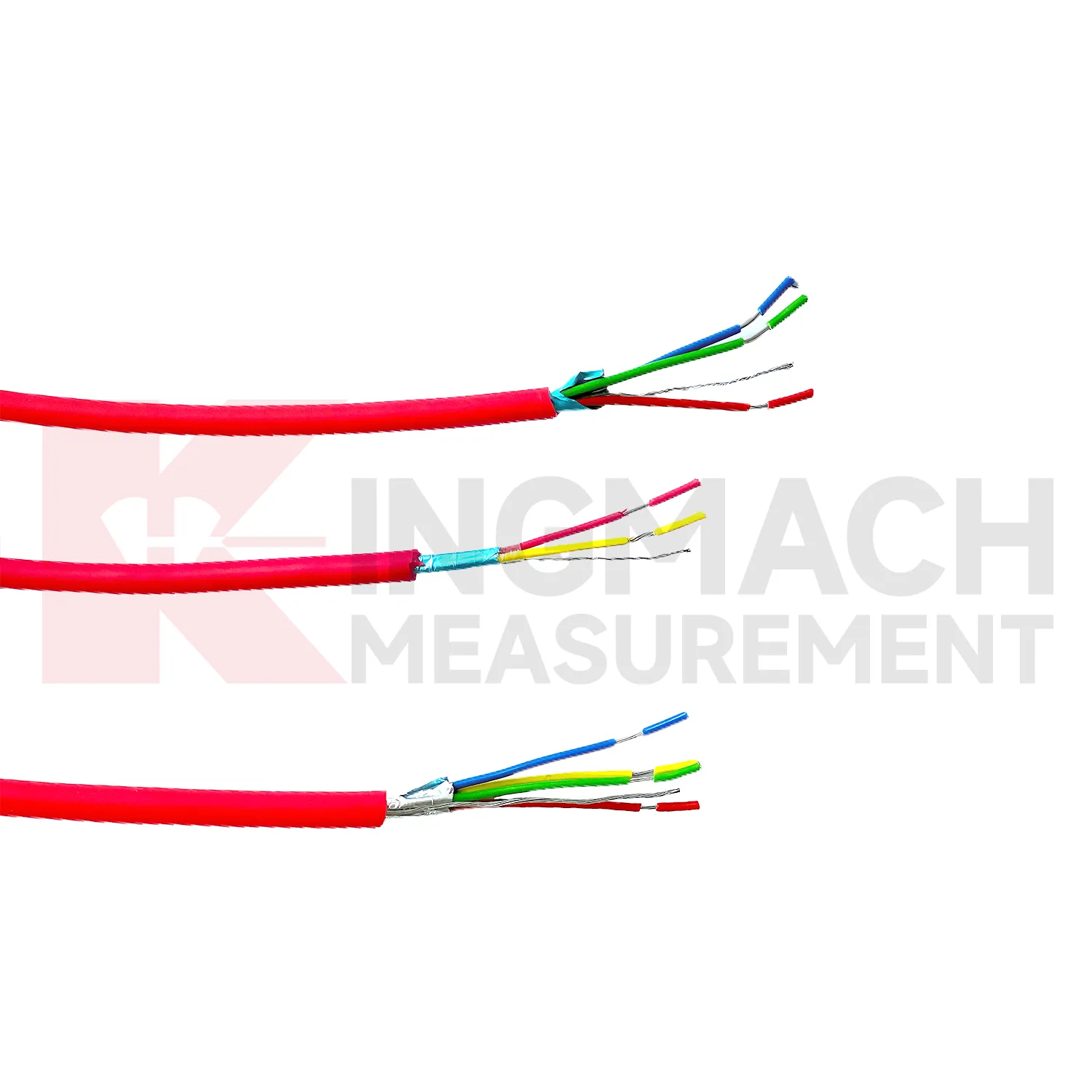
Application of Hydraulic cable
Building and foundation pit monitoring uses Kingmach Hydraulic cable to keep sensor signals stable in busy construction environments. Cable routes may pass near cranes, temporary power boxes, welding zones, pumps, and moving workers. Shielded test cable helps reduce noise pickup from equipment, while durable cable sheathing helps protect against abrasion and accidental contact. For foundation pits, damp soil, groundwater control, and frequent layout changes make cable protection especially important. A tidy route with tags, conduit, and cabinet records prevents later confusion when settlement, tilt, strain, or support force data needs review.
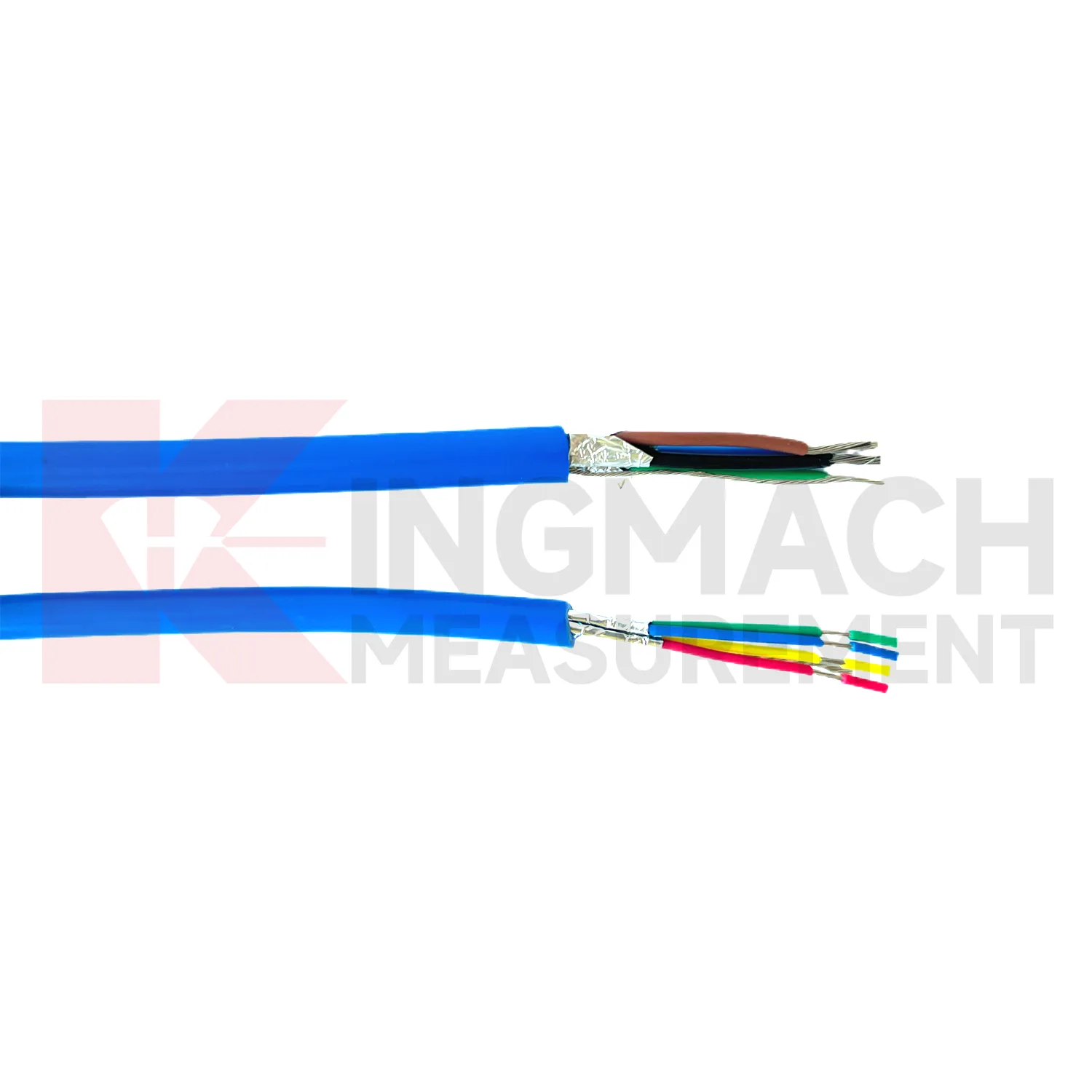
The future of Hydraulic cable
Digital twin projects will use Kingmach Hydraulic cable as part of the physical link between a real structure and its virtual record. A twin needs sensor data that can be traced back to known points, known channels, and known installation routes. Cable documentation will therefore become part of the model history, not merely a maintenance note. When a bridge, dam, tunnel, or building record changes, reviewers can check both structural behavior and cable condition before updating risk status or maintenance plans.
Care & Maintenance of Hydraulic cable
Labeling is a maintenance task for Kingmach Hydraulic cable, not just a neatness habit. Each cable should show instrument point, cable model, core assignment, cabinet location, and recorder channel. The same information should appear in the handover file. When a channel later reports noise, flatline data, or sudden jumps, technicians can inspect the correct route without disturbing neighboring sensors. Clear labels are especially important on multi-core cable, where a single sheath may carry several conductors that must remain traceable.
Kingmach Hydraulic cable
Kingmach Hydraulic cable support the part of a monitoring system that is easy to overlook until a signal becomes unstable. A sensor may be accurate, and a data logger may be working, yet a weak cable route can still introduce noise, moisture risk, or intermittent connection. Instrumentation cable planning therefore belongs near the start of bridge, tunnel, slope, building, dam, foundation pit, and railway monitoring work. The cable has to carry small sensor signals through dust, water, vibration, cabinet bends, and repeated site activity without turning field conditions into false readings. Kingmach supplies test dedicated shielded wire JMZX-XPX and hydraulic cable JMZX-XSX for these duties, giving engineers a practical path for stable connection between sensor points and acquisition equipment.
FAQ
Q: Which core counts are available?
A: The listed options include two-core, three-core, four-core, six-core, seven-core, nine-core, and ten-core versions.
Q: What delivery lengths are shown in the local product data?
A: Two-core to four-core versions are listed as 2 m per piece, while six-core to ten-core versions are listed as 6 m per piece.
Q: Why does shielding matter?
A: Shielding helps reduce electrical interference so weak sensor signals can reach the recorder with less noise.
Q: Why does water resistance matter?
A: Wet cable sections can cause unstable readings or equipment faults if insulation, sealing, and terminations are not handled correctly.
Q: Can the cables be used with different Kingmach instruments?
A: Yes. The category is described as compatible with various monitoring instruments and supports installation, maintenance, and upgrades.
Reviews
Christopher Martinez
Very satisfied with the readouts & data loggers. User-friendly interface and supports multiple sensor inputs.
Matthew Garcia
Instrumentation cables are durable and perform well even in harsh environments. Will definitely order again.
Latest Inquiries
To protect the privacy of our buyers, only public service email domains like Gmail, Yahoo, and MSN will be displayed. Additionally, only a limited portion of the inquiry content will be shown.
Evelyn***@gmail.comSouth Africa
Hi, we are a contractor working on tunnel construction and need settlement sensors and displacement ...
Harper***@gmail.comIndia
Dear Sir, we are planning to procure a complete monitoring system including strain gauges, tiltmeter...
Related product categories
- Hydraulic cable
- Instrumentation Cables
- Sensor Cables
- Twisted Pair Shielded Test Cable
- Doublelayer Shielded Test Cable
- Triplelayer Shielded Test Cable
- Singlelayer Shielded Test Cable
- Multicore Shielded Test Cable
- 2core / 4core / 6core / 8core Hydrological Cable
- Corrosionresistant Hydrological Cable
- Shielded Hydrological Cable
- Multicore Hydrological Cable