
 EN
EN
 ar
ar bg
bg hr
hr cs
cs da
da nl
nl fi
fi fr
fr de
de el
el hi
hi it
it ko
ko no
no pl
pl pt
pt ro
ro ru
ru es
es sv
sv tl
tl iw
iw id
id lv
lv lt
lt sr
sr sk
sk sl
sl uk
uk vi
vi et
et hu
hu th
th tr
tr fa
fa ms
ms hy
hy ka
ka ur
ur bn
bn mn
mn ta
ta kk
kk uz
uz ku
ku
Automated Equipment Test Cable
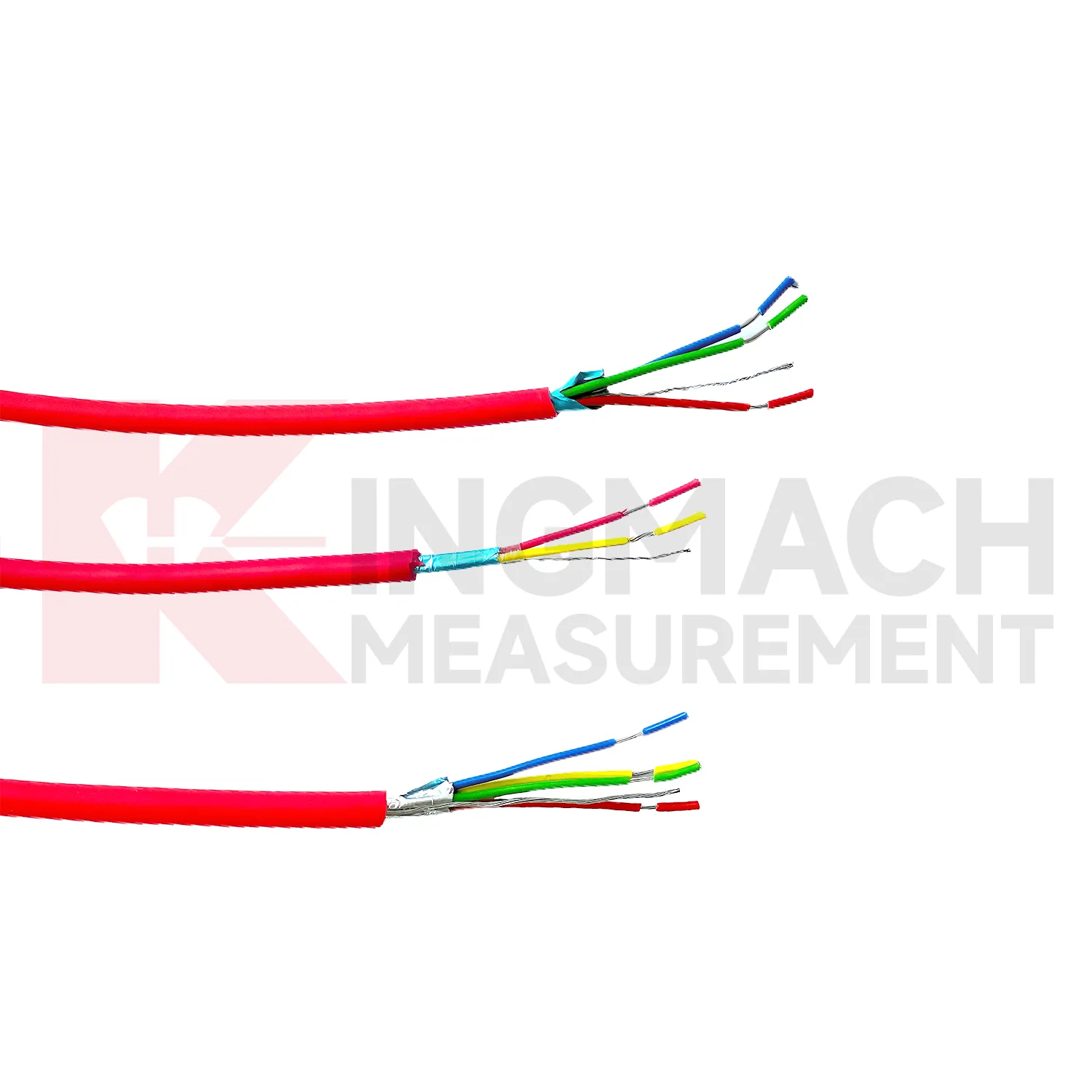
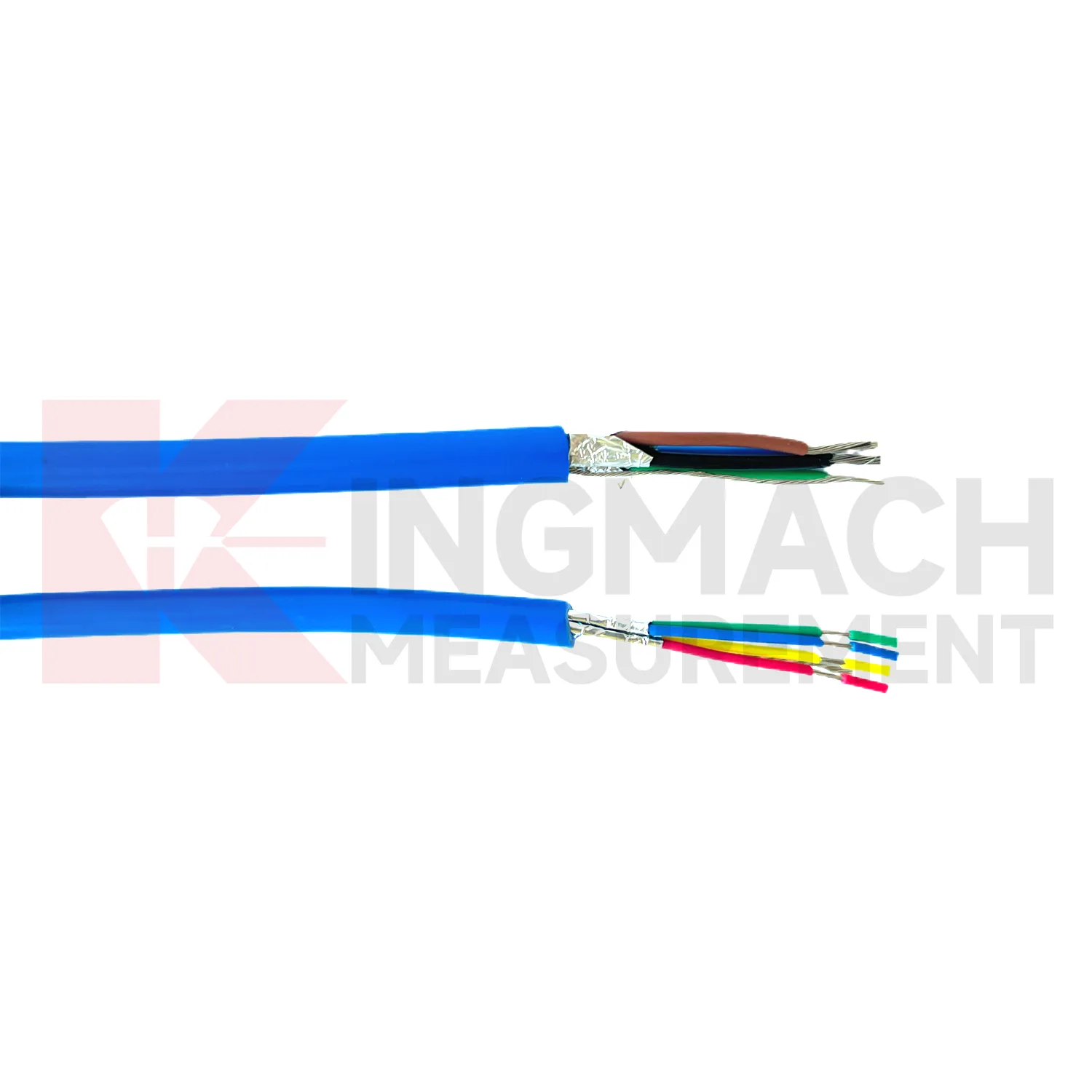
Model selection inside the Kingmach cable range starts with field exposure. If the project involves fine sensor signals around power equipment, temporary machines, or cabinet wiring, JMZX-XPX gives the route a shielded structure for cleaner transmission. If the path enters wet galleries, water-level areas, conduits with pulling stress, or other hydraulic sections, JMZX-XSX brings sealing, water resistance, and tensile strength into the design. This split helps engineers assign each cable by risk condition instead of using one generic wire across every part of the site.
Application of Automated Equipment Test Cable
Slope monitoring uses Kingmach Automated Equipment Test Cable to carry signals from displacement, settlement, pore pressure, rainfall, and inclination instruments back to acquisition equipment. Field routes may cross open ground, drainage ditches, retaining structures, or equipment boxes exposed to weather. A cable with waterproof, moisture-proof, and wear-resistant behavior helps reduce failures caused by rain, soil movement, route damage, or repeated maintenance access. When cable records are linked to sensor IDs and drawing locations, engineers can identify whether a reading change is related to ground behavior or a damaged route.
The future of Automated Equipment Test Cable
More modular monitoring systems will make Kingmach Automated Equipment Test Cable part of faster deployment work. Field teams may assemble sensor kits, acquisition boxes, and cable sets before arriving on site. Standard core formats and clear delivery lengths can reduce installation errors when time is limited. A pre-planned cable set also helps teams repeat a successful layout across similar bridges, pits, tunnels, or hydraulic structures. The result is a cleaner start-up process and fewer delays during commissioning.
Care & Maintenance of Automated Equipment Test Cable
Commissioning checks for Kingmach Automated Equipment Test Cable should include continuity, insulation condition, channel identity, signal stability, and a short observation period under normal site conditions. A single instant reading is not enough when a cable route has just been installed. Watch for drift, intermittent drops, repeated spikes, or channel mixing. If the problem appears only when nearby equipment starts, review routing and shielding. If it appears after rain or washing, review sealing. These checks give the monitoring record a cleaner starting point.
Kingmach Automated Equipment Test Cable
For procurement teams, Kingmach Automated Equipment Test Cable turn the bill of materials into something installers can actually use. Before purchase, the team should compare the monitoring drawings with cabinet locations, instrument terminals, expected spare conductors, and access limits on the structure. A bridge deck run, a tunnel gallery run, and a dam seepage gallery run do not create the same cable demand. JMZX-XPX suits clean signal work near possible EMI or RFI, while JMZX-XSX fits wet hydraulic routes with sealing and pulling stress. Ordering from this route map reduces cut-to-fit improvisation and makes acceptance testing smoother.
FAQ
Q: What are Kingmach Automated Equipment Test Cable used for?
A: They connect monitoring sensors, acquisition equipment, cabinets, and data recorders while helping protect signal transmission in demanding field environments.
Q: Which cable models are listed in this category?
A: The local product pages list test dedicated shielded wire JMZX-XPX and hydraulic cable JMZX-XSX.
Q: What is JMZX-XPX designed for?
A: It is a shielded test wire with composite shielding for low-loss sensor signal transmission and resistance to EMI and RFI.
Q: What is JMZX-XSX designed for?
A: It is a hydraulic engineering cable with multi-layer sealing and water-resistant insulation for humid, underwater, or wet routes.
Q: Where are these cables commonly applied?
A: They are used in bridges, tunnels, slopes, buildings, dams, foundation pits, railways, hydraulic works, and mixed monitoring systems.
Reviews
James Thompson
The tiltmeters and accelerometers are very sensitive and provide precise data. Perfect for our structural health monitoring system.
Ryan Lewis
Fast delivery and excellent product quality. The accelerometers and tiltmeters are highly reliable. Strongly recommend this company.
Latest Inquiries
To protect the privacy of our buyers, only public service email domains like Gmail, Yahoo, and MSN will be displayed. Additionally, only a limited portion of the inquiry content will be shown.
Ava***@gmail.comAustralia
Hi, I am looking for reliable tiltmeters and accelerometers for structural health monitoring. Please...
Charlotte***@gmail.comUnited Arab Emirates
Hi, we require instrumentation cables suitable for harsh environments. Could you advise on specifica...
Related product categories
- Singlelayer Shielded Test Cable
- Multicore Shielded Test Cable
- 2core / 4core / 6core / 8core Hydrological Cable
- Corrosionresistant Hydrological Cable
- Shielded Hydrological Cable
- Multicore Hydrological Cable
- Data Transmission Cable
- Automated Equipment Test Cable
- Sensor Shielded Test Cable
- Motor Shielded Test Cable
- Signal Cables
- Test dedicated shielded wire